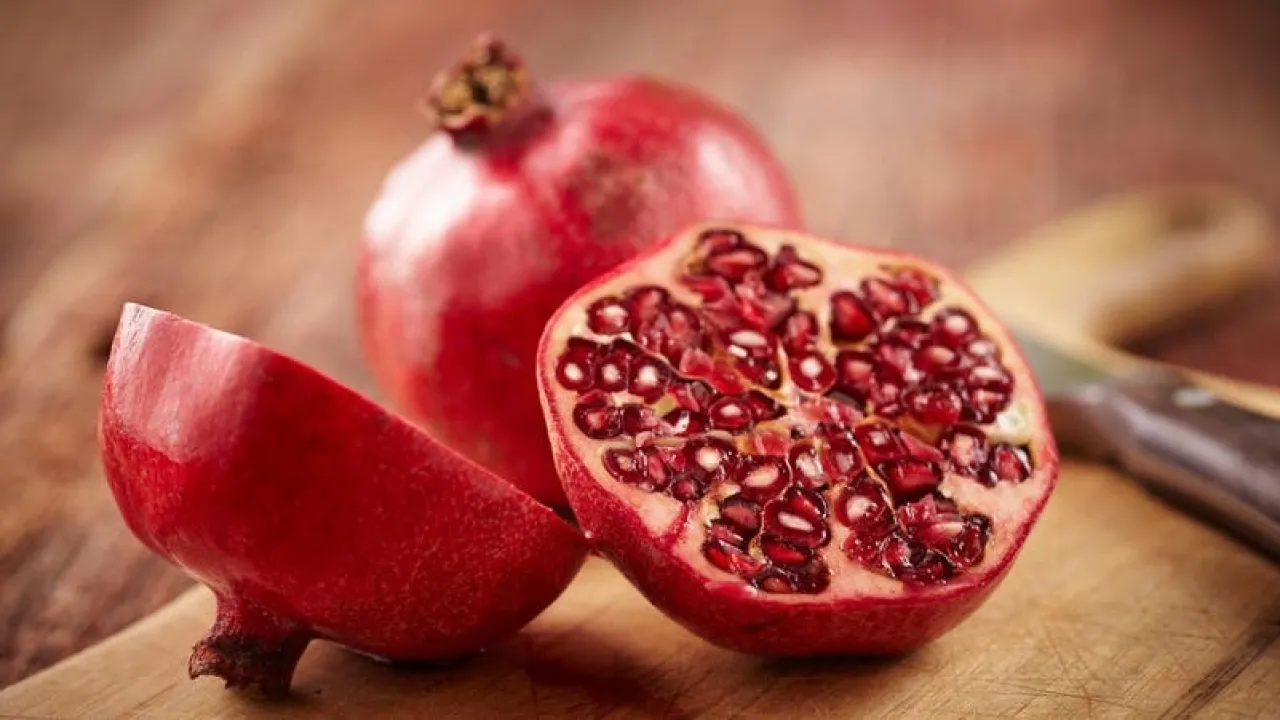
Khaberni - Pomegranates are available either whole or ready to eat. They add a sweet taste and distinct color and texture to many dishes, ranging from salads and desserts to pizza. Pomegranates are rich in nutritional benefits, including antioxidants, fiber, and vitamins. According to Martha Stewart's website, experts stress the importance of proper storage to enjoy them and maximize benefits, as follows:
Buying Pomegranates
The first step to ensure pomegranates remain fresh until use is to start storing them before returning home from the market. When buying a whole pomegranate, one should not focus too much on minor surface defects, as some scratches or uneven spots on the peel do not indicate poor quality. Instead, focus should be on the shape and weight, which reveal how juicy the seeds inside are.
Derek Miller, an expert in pomegranate production, says many people "focus on the color, but the weight is the real indicator," explaining that a "heavy pomegranate for its size means it's filled with seed-rich and juicy seeds."
When buying ready-to-eat pomegranate seeds, it is important to check the expiration date and plan to enjoy them by that time.
Storing Whole Pomegranates
Whole pomegranates have a surprisingly long shelf life - but only if stored correctly. Pomegranates prefer a cool, dry environment away from direct sunlight. While placing them on the kitchen counter or in a fruit bowl is a good option if they will be consumed within a couple of days, the fridge is the best choice for longer storage.
Jenny Finke, a nutrition specialist at "Metabolic Dietitian" magazine, who regularly recommends pomegranates for their anti-inflammatory properties, started sharing storage tips after hearing about how often customers lose the fruit due to early spoilage: "Many believe that pomegranates should be stored on the kitchen counter because most grocery stores sell them at room temperature."
Whether stored on the kitchen counter or in the fridge, the fruit should not be washed before storage. Miller says the peel is good protection. In fact, any remaining moisture on the peel after washing can lead to spoilage.
Of course, when storing pomegranates whether on the kitchen counter or in the fridge, they should be kept away from ethylene-producing fruits like apples and bananas, which could speed up the spoilage process of pomegranates.
Shelf Life of Whole Pomegranates
At room temperature: On the counter, a whole pomegranate can stay fresh for up to a week.
In the fridge: Stored in the vegetable drawer or a cool, well-ventilated place, it can remain fresh for up to two months.
Storing Pomegranate Seeds
Once the seeds are removed from the pomegranate, their shelf life begins to decrease. Miller says, "The peel is nature's perfect protection. It keeps it in excellent condition for eating, but once extracted, the seeds need to be refrigerated or else they will ferment or spoil."
Finke suggests drying the seeds completely before storing them in a shallow, airtight container. Miller points out that adding a small lining of paper towel at the bottom of the container will help gather any remaining moisture, keeping them fresh for longer.
Shelf Life of Pomegranate Seeds
When stored in an airtight container in the refrigerator, pomegranate seeds last for up to a week.
Packaged pomegranate seeds: If buying packaged pomegranate seeds, check the "best used by" date and make sure they are kept refrigerated. Miller says properly packaged pomegranate seeds are designed to stay fresh until this date, provided they are kept refrigerated.
Freezing Pomegranate Seeds
Pomegranate seeds can be frozen for later use. Spread the pomegranate seeds on a baking sheet for individual freezing. After freezing, transfer them to a freezer-safe bag, pressing out any excess air, and store for up to two months.
Signs of Spoilage in Pomegranates
Although pomegranates have a long shelf life, they eventually spoil, and the signs are very clear, as follows:
Seeds: The appearance of bubbles or a milky liquid at the bottom of the container indicates the "start of fermentation, and they should be discarded." Any mold on the surface is also undesirable.
Whole Pomegranate: The outer peel provides good indicators. Brown or yellow soft spots indicate internal rot, and while the damage is sometimes isolated, it is best to open the fruit and check the seeds before eating or discarding them. The fruit should be disposed of immediately upon the appearance of mold on the peel.