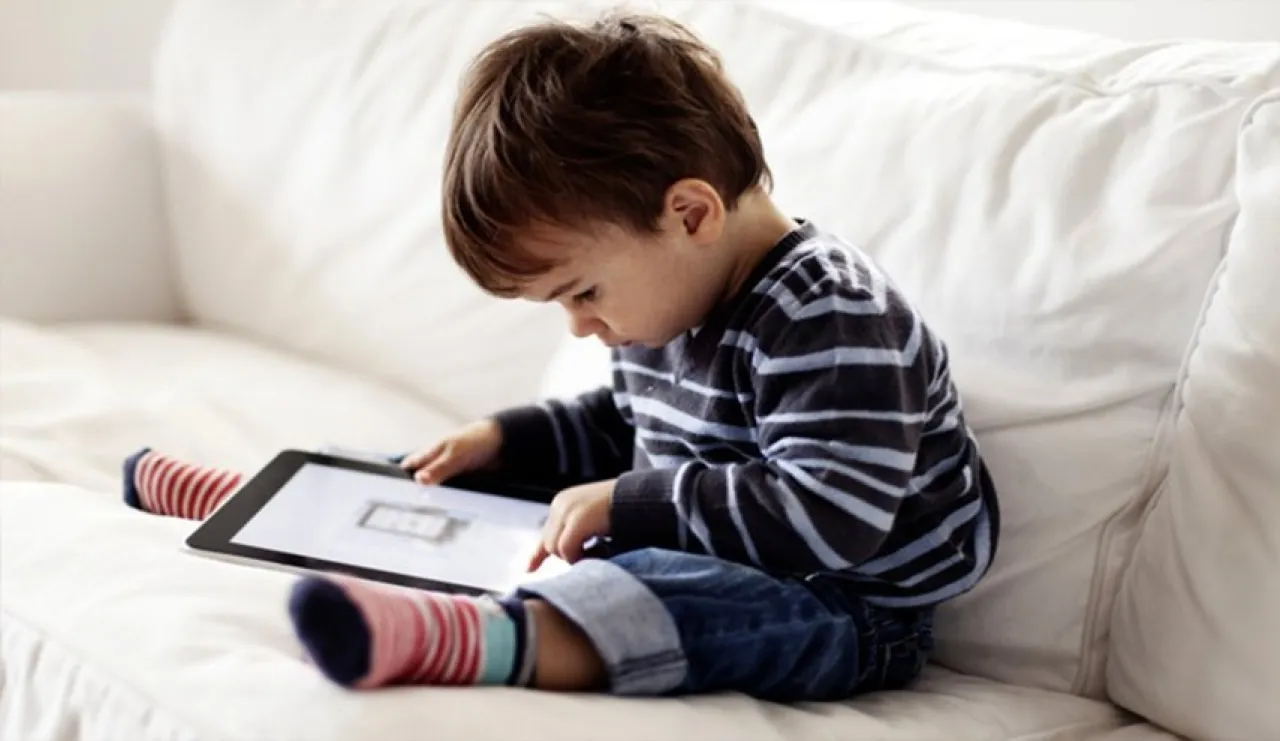
Khaberni - In an age where screens dominate every moment, children have become captives to short video clips that capture their attention at an unprecedented speed, what was once a means for fun and play has now become a source of psychological stress affecting sleep, focus, and even self-esteem in young ones.
Children scroll through clips ranging from 15 to 90 seconds non-stop, in a behavior that constantly stimulates their brain, creating an immediate sense of reward that makes them unable to step away from the screen. However, this rapid flow does not leave them a chance to think calmly or rest mentally, affecting their ability to regulate emotions and maintain continuous attention.
Experts warn that this digital habit may cause sleep disturbances, as the blue light emitted from devices and the rapid fluctuations in content keep the brain in a constant state of alert, increasing stress and anxiety, affecting mood and academic performance.
And it's not just sleep that is affected, as the constant comparison with their peers through idealized content weakens children's self-confidence and increases their feelings of inadequacy, especially among younger children who have yet to develop self-control abilities.
It can be said that short video clips are no longer just a means of entertainment, but have become a "digital trap" for children, requiring awareness from parents and strict control from platforms to ensure protection of the next generation from psychological and physical harm.