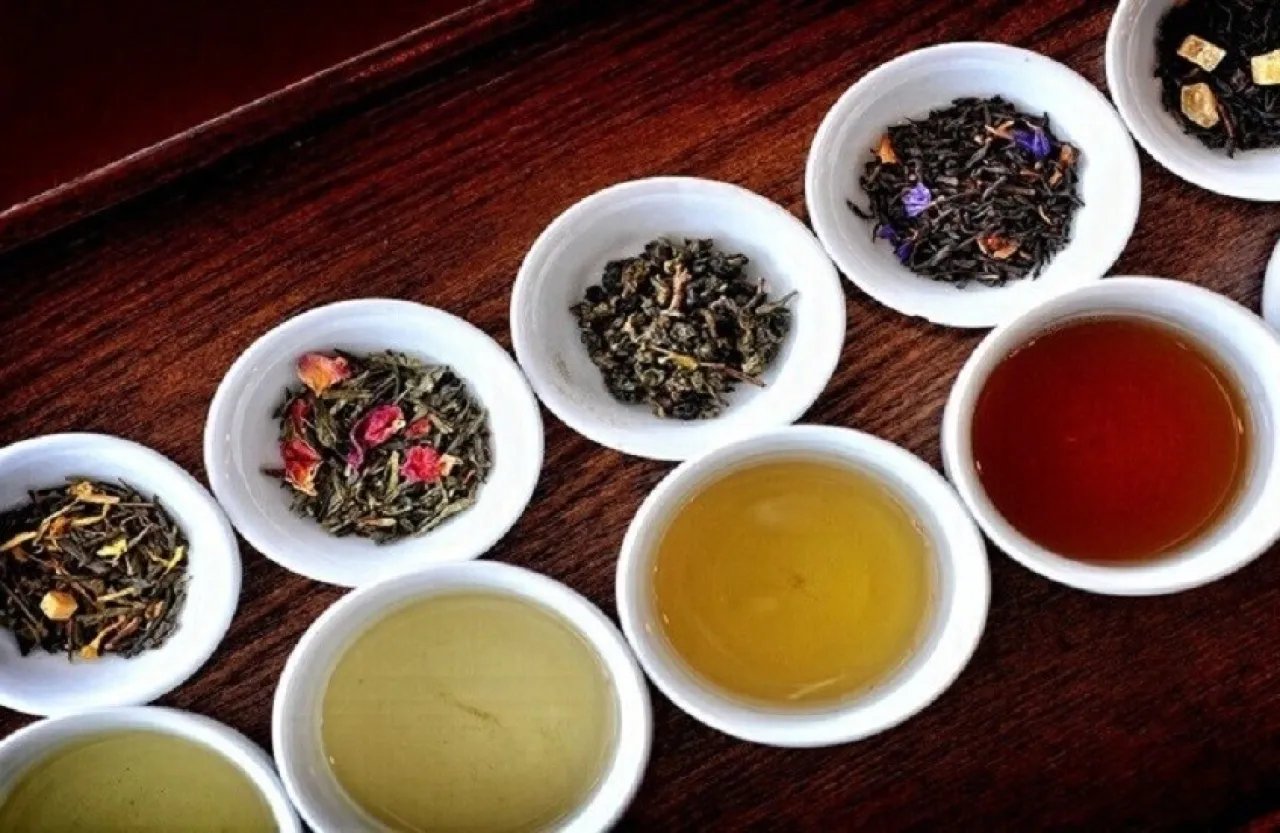
Khaberni - Khaberni - On the occasion of International Tea Day on December 15th, experts from Perm Technical University in Russia provided a practical guide to choosing different types of tea that suit each individual's health condition.
The experts pointed out that green tea is the richest in antioxidants, as it does not go through a fermentation process, but instead, its leaves are briefly heated, then rolled and dried, preserving the catechins and flavonoids compounds that combat free radicals and enhance blood vessel health as well as improving blood lipid levels. However, these compounds may increase stomach acidity, so it is advised not to drink it on an empty stomach, and to limit consumption to a maximum of four cups a day to avoid overworking the liver and kidneys.
As for white tea, experts described it as "the gentlest and most beneficial," as it is made from young buds and leaves with a simple heat treatment. It contains less caffeine and more antioxidants, making it the most suitable choice for pregnant women. However, it may slightly lower blood pressure, so it is not recommended for those with low blood pressure and it should not be given to children under the age of six due to its high concentration of active plant compounds.
Regarding black tea, it is an effective stimulant due to the deep fermentation process that produces "theaflavins" and "thearubigins," supporting blood vessel walls and fat metabolism. However, it is high in tannins that may cause heartburn and inhibit iron absorption, therefore, it is preferred to consume it after meals. Patients with anemia, anxiety, and insomnia should limit its consumption. The negative effect could be lessened by adding milk, although this partially reduces its antioxidant benefits.
As for Pu-Erh tea (types "Shou" and "Sheng"), experts confirmed it to be the most beneficial for the digestive system and provides a deep sense of warmth, but its high content of caffeine and purines makes it unsuitable for pregnant women, patients with gout, kidney stones, high blood pressure, and stomach disorders, and is strictly prohibited for children under the age of ten.
The experts concluded their recommendations by emphasizing that choosing the type of tea should take into account individual health characteristics. With the right selection, tea can support heart health, immunity, and the digestive system in a gentle and effective way, but it could pose a risk to those suffering from certain health issues such as high blood pressure, gastritis, or during pregnancy.