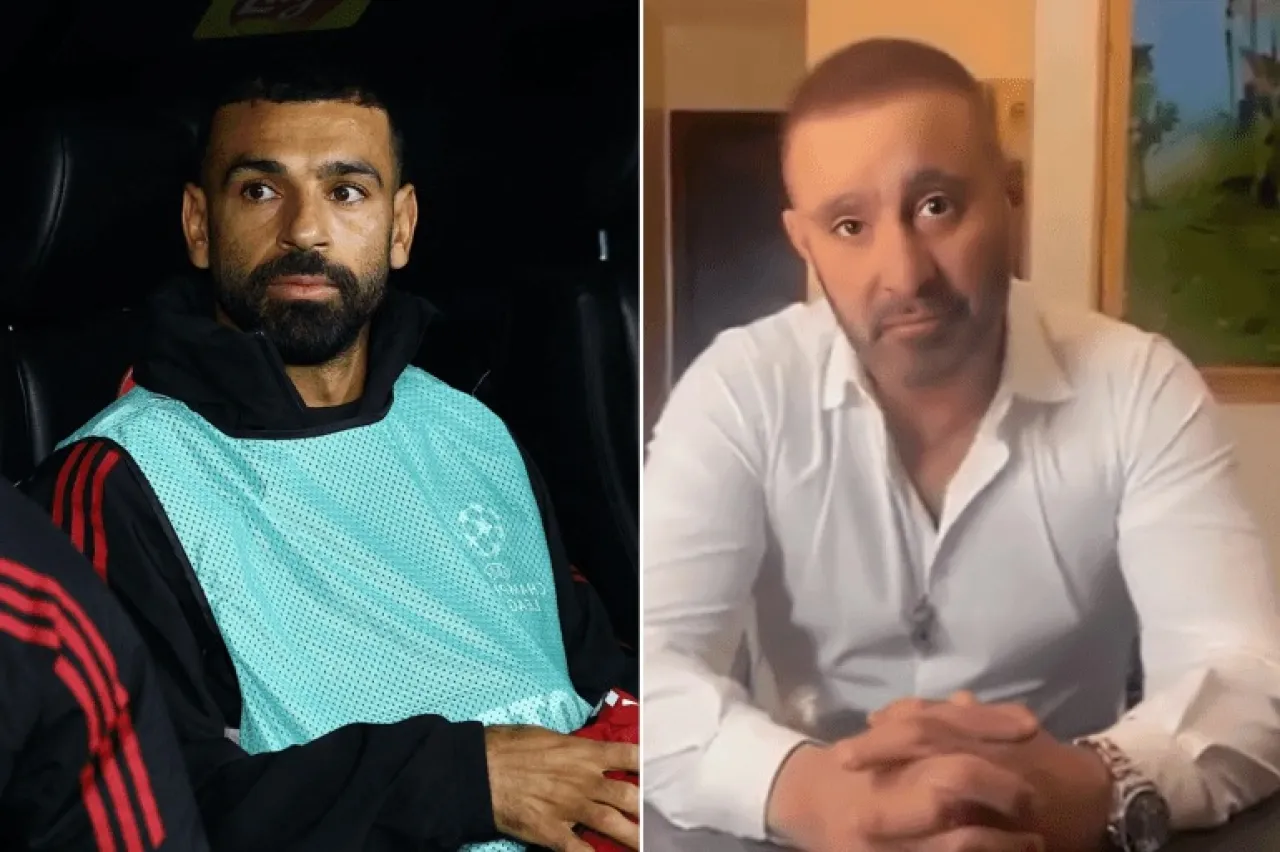
Khaberni - The Egyptian Fatwa House responded to the controversy sparked by the video of actor Ahmed El Sakka supporting Egyptian football star Mohamed Salah, asserting that bullying and psychological harm are religiously forbidden and considered major sins.
Dr. Mohamed Kamal, a fatwa official at the Fatwa House, stated that Islam emphasizes the protection of human dignity, explicitly forbids mockery and bullying, and all forms of harm, citing the farewell sermon of Prophet Muhammad, which affirmed the sanctity of blood, wealth, and honor.
The fatwa official at the Egyptian Fatwa House, in statements to a local channel, explained that the Holy Quran warns against harming believers without cause, considering the bullying experienced by Ahmed El Sakka as "slander and a clear sin", and that psychological harm is no less dangerous than physical harm.
The fatwa official added that bullying "is not innocent jesting"; rather, it's psychological aggression that can cause severe pain or lead to despair, emphasizing God's command for kind speech and good words.
Addressing the incident with El Sakka directly, he affirmed the prohibition of mockery with a Quranic verse, and that anyone causing psychological harm bears its full burden according to the principle "no harm and no reciprocating harm", citing a prophetic hadith: "A Muslim is one from whose tongue and hands other Muslims are safe," warning that the danger of the tongue may exceed that of other organs.
In conclusion of his talk, Dr. Kamal sent a message to Ahmed El Sakka to be patient with harm for its great reward, calling on those responsible for bullying to introspect and amend their ways.
The debate began after Ahmed El Sakka posted a video in English supporting Egyptian star Mohamed Salah, captain of the Egyptian national team and Liverpool star, amid the player's crisis with coach Arne Slot and the club management, where he demanded respect for Salah and reminded them of his achievements.
The widely circulated video faced severe mockery due to El Sakka's accent and his use of the word "coach", which led some to bully him and his family with harsh words.
El Sakka expressed his deep sadness, emphasizing that he did not delete the video himself, and that it came from national enthusiasm to support a "dear brother" who is a pride to Arabs.
The comment from the Fatwa House comes in the context of ongoing campaigns against bullying on social media, where cyberbullying is an escalating societal issue in Egypt, with experts warning of its long-term psychological effects.