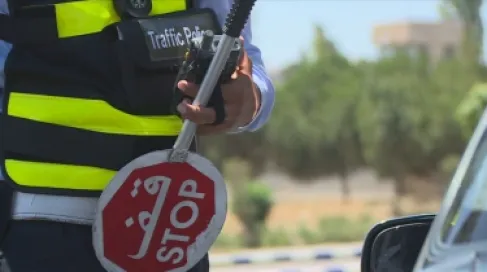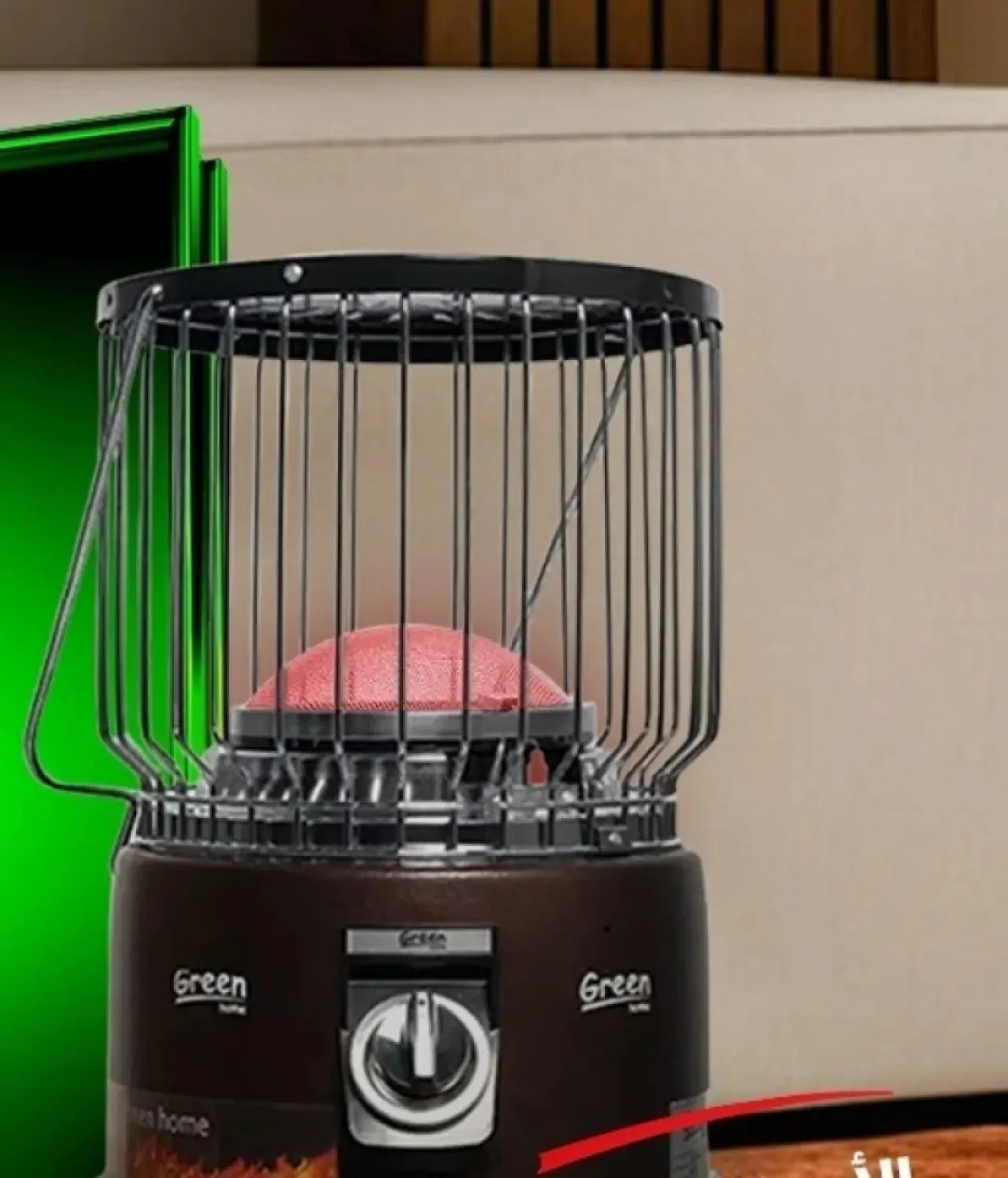
Khaberni - Wafa Al-Momani, Assistant General Manager for Regulatory Affairs at the Standards and Metrology Organization, said that based on information from Civil Defense about incidents involving heaters, specialists from the institution were sent to inspect the heaters that had been withdrawn from accident scenes.
Al-Momani pointed out on "Al-Mamlaka" channel, Saturday, that the inspection process began on Saturday, with joint field rounds carried out with Civil Defense, in addition to separate rounds in all provinces of the kingdom, adding that all types of heaters similar to those withdrawn were seized, whether in factories or markets.
She confirmed that over the past three years, no complaints related to this type of heater have been recorded in the institution’s complaint system, noting that a product cannot be considered non-compliant with the standard specification until it is deemed to be a non-compliant product.
Al-Momani indicated that heaters from various brands in the markets had been seized, some of their manufacturers were identified, while the source of some other heaters was not determined, as they lacked a clear information card or indication of the manufacturer, where these products are being followed up for investigation and identifying those responsible for their market presence.
Regarding the heaters that were seized, Al-Momani said they were precautionarily withdrawn pending the results of the inspection, confirming that the institution had withdrawn samples of heater production in previous years, and inspected them, and if there were some observations or non-conforming information, companies were directed to rectify the situation, while allowing the continued production of heaters that comply with specifications.
Al-Momani mentioned that the heaters that were withdrawn were intended for outdoor use, and there are specific requirements that must be applied when using them inside homes, stressing that the institution has requested the application of the household use standard on these heaters after noting that citizens use them inside homes instead of outdoor areas.
She emphasized that the institution's role continues in monitoring all products, where supervisory rounds have been intensified in all provinces.
Jamal Qamouh, a member of the Parliamentary Energy Committee, considered that a product starts with specifications and standards and ends with the institution's check on it.
On his part, Fares Hammoudeh, Chairman of the Board of Directors of Zarqa Chamber of Industry, said that the heaters linked to choking incidents are imported in parts and assembled in Jordan in workshops, not factories.
Hammoudeh confirmed that the heater parts are imported and not manufactured in Jordan, stressing the existence of local factories that produce heaters with very high specifications.
He explained that the role of the chambers of industry is regulatory and supplementary in the export field, affirming that it is impossible for these heaters to obtain a certificate of origin and be exported.
Meanwhile, Hazem Al-Qaralleh, spokesperson for the Medical Association, said that the choking caused by domestic heaters is due to carbon monoxide, which is odorless and colorless.
He added that this gas results from incomplete combustion of fuels such as gas, kerosene, coal, or wood heaters, and primarily accumulates in enclosed or poorly ventilated rooms.
He explained that carbon monoxide binds to the blood upon entering the body faster than oxygen binds by about 200 to 250 times, preventing oxygen from reaching the brain and heart.
He noted that symptoms that appear when carbon monoxide enters the blood include headaches and vomiting, and may lead to loss of consciousness, seizures, and potentially death.