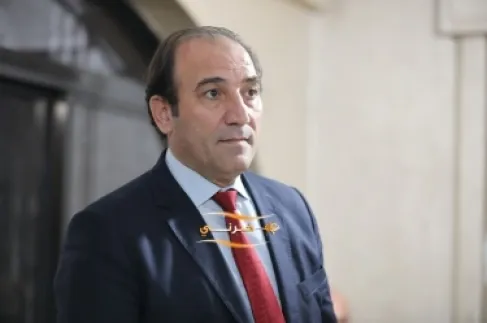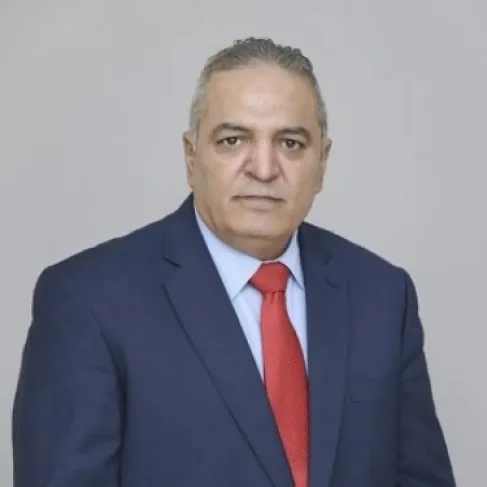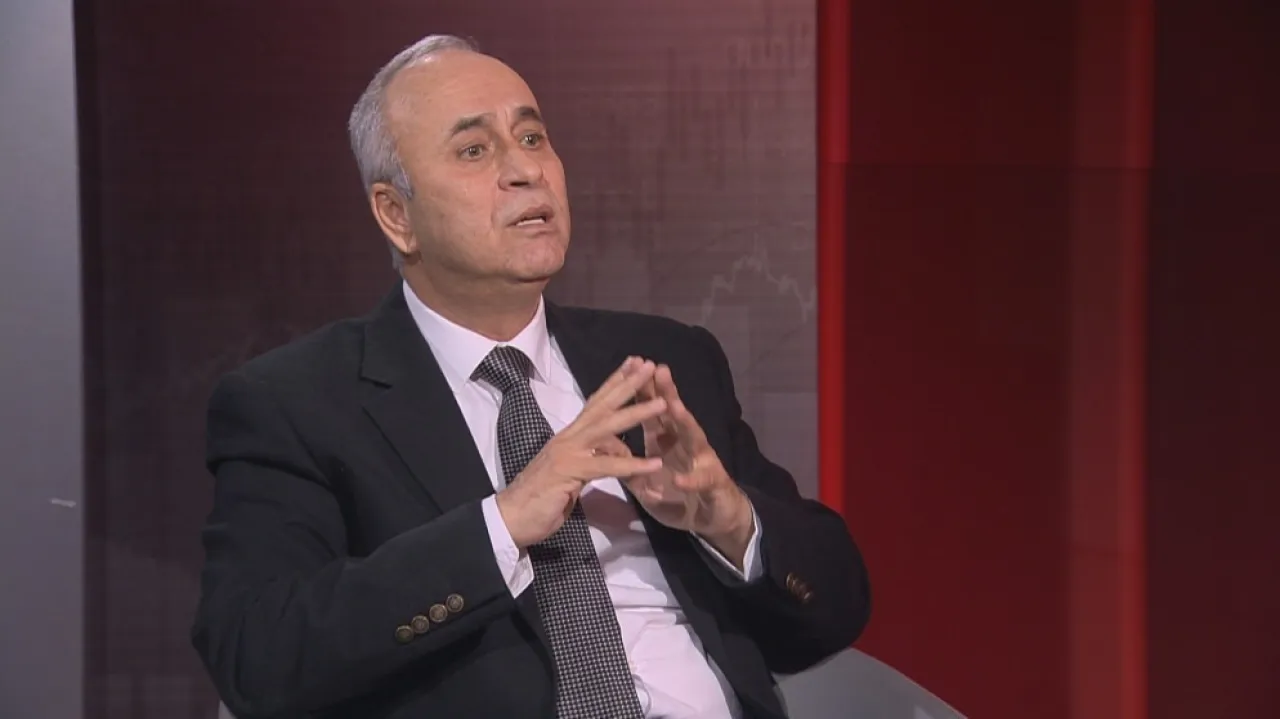
Khaberni - Hossam Abu Ali, Director General of the Income and Sales Tax Department, stated that the sales tax legislation in Jordan includes schedules to protect the poor and middle classes, as more than 300 essential or food items and services enjoy either full exemption or are subject to a reduced tax, and these goods and services are most heavily used by the poor and those with limited income.
Abu Ali explained on Sunday that the government has adopted a tax reform plan that relies on the principle of not imposing any new taxes or increasing current tax rates and percentages, but rather depends on enhancing voluntary compliance by taxpayers, expanding the tax base, improving the efficiency of tax auditing and inspection, combatting tax evasion, and addressing loopholes that allow tax avoidance.
Abu Ali referred to the discussions on restructuring the tax system and the need to implement a progressive income tax, and calls for tax reform from a standpoint of transparency and disclosure, setting the record straight, and providing information to those unable to access details about the tax reforms undertaken, explaining that the government adopted a tax reform plan based on the principle of not imposing any new taxes or increasing current rates and percentages, relying on enhancing voluntary compliance among taxpayers and broadening the tax base, as well as improving the efficiency of tax audits and inspections, combatting tax evasion, and addressing gaps that allow tax avoidance.
Abu Ali stated that the tax reform program includes a package of reforms aimed at improving the contribution of direct taxes to the tax revenue in a way that addresses the imbalance between direct and indirect taxes.
Abu Ali explained that the implementation of the first phase of these reforms has improved direct tax revenues and increased their contribution to the tax revenue, noting that the reforms in direct tax focused on the principle of increasingly progressive tax rates, with an increase in the number of progressive tax brackets which helps achieve the principle of economic benefit and tax fairness among taxpayers.
He added, regarding what some speak of, that sales tax is considered a part of production costs, that the practical application of the sales tax in the Jordanian tax system, which includes tax deduction and refund, shows that the sales tax in Jordan is not a burden on production costs, and that the producer deducts the sales tax on his production inputs so that its impact on these costs is zero; therefore, the Jordanian legislature, within the economic objectives of the tax system in Jordan, stipulated provisions that allow the producer or seller to deduct the sales tax on the production inputs or purchased goods from the tax due on the sale of the product or goods, and thus, the sales tax can never, in any case, be considered a cost or an element of production costs, as long as the legislator has provided for the principle of deduction and refund in this legislation similarly to the system for value-added tax.
Abu Ali confirmed, regarding the speech by some that the sales tax is paid by the poor and middle-income earners, that it is an inaccurate and superficial conclusion to the application of the sales tax in Jordan, as the legislation specific to sales tax in Jordan includes explicitly and clearly stated schedules within the established legislation to protect the poor and middle classes, which can be referred to.
Abu Ali noted that the total number of goods and services protected through either full exemption or tax reduction exceeds 300 essential or food items, and these goods and services are most heavily utilized by the poor and those with limited income.
Therefore, the Jordanian legislator, within the social objectives of the tax system in Jordan, has established a legislative framework to protect the poor and middle classes, in a manner that does not impose a tax burden on their consumption of essential and food goods. The legislator imposed a special tax on harmful, luxury, or relatively significant goods, to achieve economic, social, and fiscal objectives, and thus, the claim that the poor and the rich pay the same tax is an inappropriate conclusion, as long as the tax legislation has provided the necessary protection, according to Abu Ali.