Khaberni - The member states of the European Union decided, on Friday, to indefinitely freeze Russian assets worth 210 billion euros, confirming that they will continue to work on increasing the cost of the war on Ukraine for Russia, while Moscow said that Europeans will face severe consequences.
The EU's Foreign Policy Commissioner, Kaja Kallas, announced that the member states have decided to keep Russian assets frozen indefinitely unless Russia pays full compensation to Ukraine for the damages caused.
Kallas emphasized that the European Union will continue to escalate pressure on Russia to take the negotiation process seriously.
For his part, European Council President Antonio Costa confirmed that Union leaders pledged to keep Russian assets frozen until Moscow ends what he described as its "aggressive war" against Ukraine and bears responsibility for the damages, explaining that the next step will focus on securing the necessary funding for Ukraine over the next two years.
A statement by the European Union Council on Friday mentioned that the member states decided to ban the return of the Central Bank of Russia's frozen assets within Union countries, adding that the decision was made urgently to minimize potential damage to the European Union's economy.
The Council affirmed that if these resources are not banned, the Russian side would be able to use them to finance the war against Ukraine, which could lead to serious consequences for the economy of the European Union and its member states.
The Cost of the War
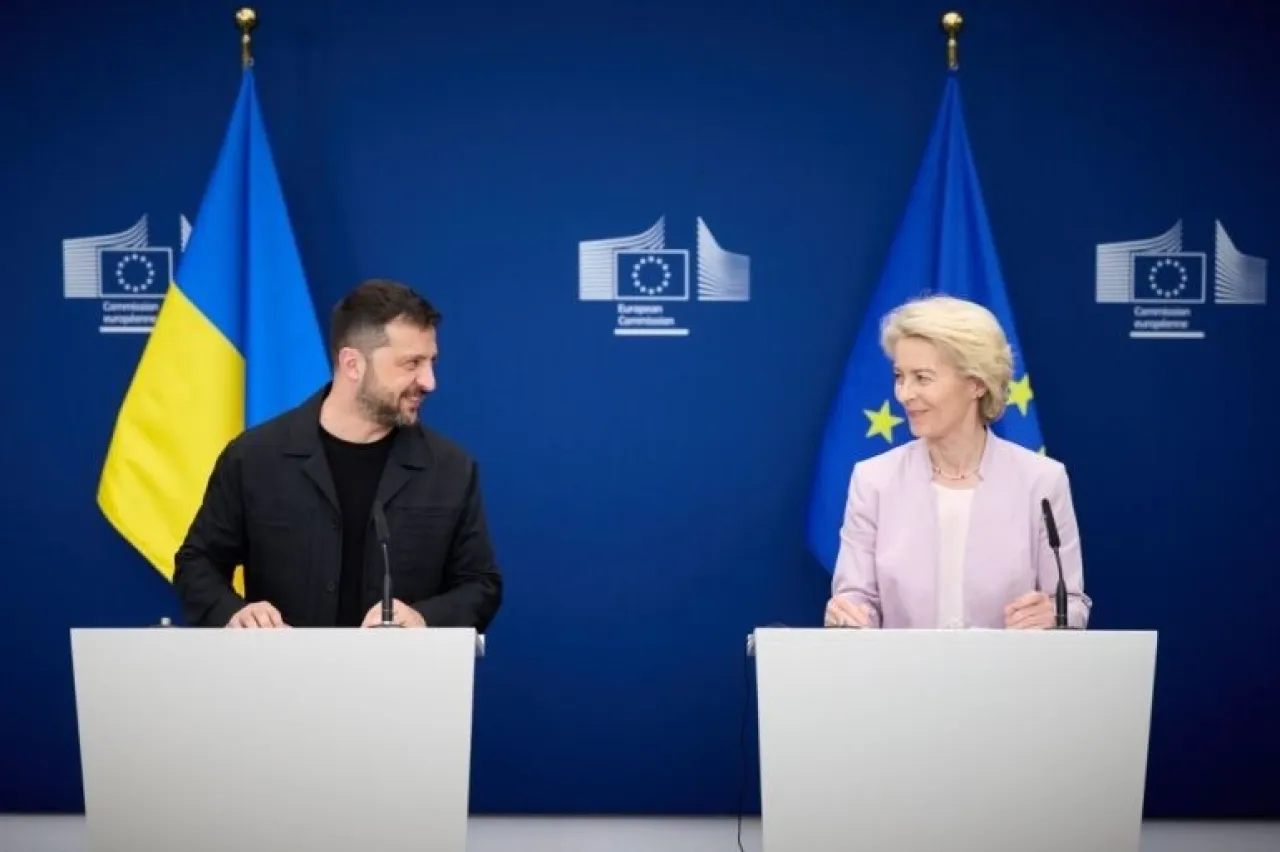
The President of the European Commission, Ursula von der Leyen, welcomed the Council's decision, confirming that they will continue to increase the cost of the war for Russia.
Von der Leyen stated in a declaration that they will work to ensure that Ukraine becomes stronger on the battlefield and at the negotiating table.
The new decision ends a previous process that required freezing governmental Russian assets worth about 210 billion euros every 6 months, a process that required consensus from all members, thus averting the risk of Hungary and Slovakia rejecting the extension.
Moscow Warns
In Russia's first reaction, the Russian Special Envoy, Kirill Dmitriev, said, "Europeans will face severe consequences if they decide to use our frozen assets."
The Central Bank of Russia had anticipated the issuance of the European decision and confirmed on Friday morning that the proposals published by the European Union to use its assets are illegal, and warned that it reserves the right to use all available mechanisms to protect its interests.
Since February 24, 2022, Russia has launched a military attack on its neighbor Ukraine, demanding Kiev's abstention from joining western military entities, which Kiev considers interference in its affairs.