Khaberni - Integral AI, based in Tokyo, has developed what it describes as the world's first general AGI artificial intelligence model, capable of learning new skills automatically without relying on prior data or direct human guidance.
This step is considered historic in the field of artificial intelligence, with the potential to revolutionize the way humans interact with technology.
General Artificial Intelligence
The term AGI refers to intelligent systems that have the ability to perform a variety of tasks, just as humans do, unlike narrow AI which is limited to a single task.
According to Integral AI, its new model has met three basic criteria: the ability to learn new skills independently, operate in a safe and reliable manner, and consume less energy compared to what humans need to learn the same skills.
Model Testing
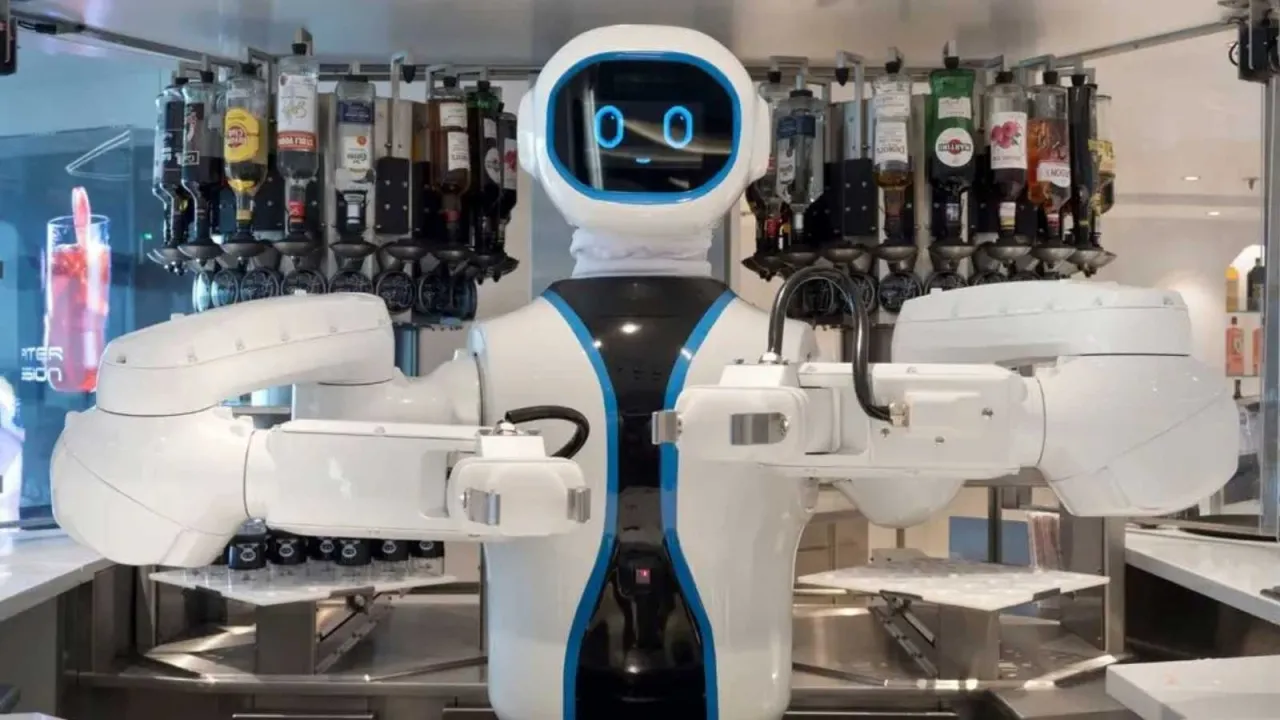
The robots equipped with the model have undergone testing in real environments and were able to acquire new skills without any direct human intervention.
This achievement represents a fundamental leap beyond the limits of current artificial intelligence technologies.
Nonetheless, plans are underway to expand the use of this model to include robots and intelligent systems capable of interacting with the real world more flexibly.
Scientific Caution
If the model works as the company claims, it could represent a significant step toward general AI, where machines can perform and learn a variety of tasks independently, without the need for prior programming or specific data.
However, many researchers point out the necessity of independently verifying the model’s performance and behavior in different environments, because claiming that general AGI is now a reality is a big and controversial statement in the scientific community.
In any case, Integral AI's announcement highlights the future possibilities of artificial intelligence, reflects the companies' desire to move from task-specific technologies to more flexible general intelligence systems, and opens the door to wide applications such as educational robots, smart assistance, and advanced industries.