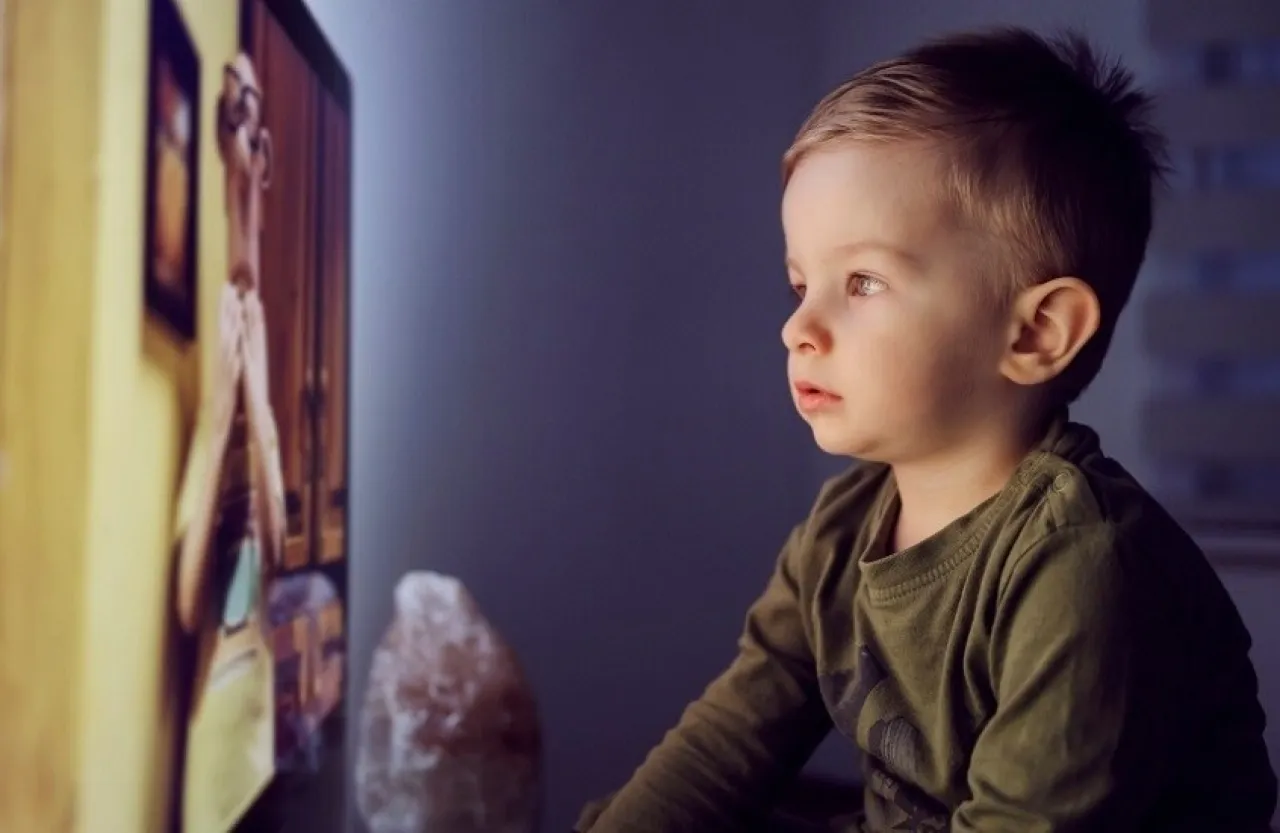
The issue of the impact of animation on children's thinking has been discussed for many years, often raising parents' concerns due to the rapid sequence of scenes, stunning visual effects, and fantastical plots.
Previously, it was believed that the main danger lay in the pace of the rhythm, but new research disproves this belief. Psychologists have studied two separate aspects: the speed of scene changes on one hand, and the level of fantasy in the plot on the other, and analyzed dozens of scientific studies, publishing their findings in the Journal of Experimental Child Psychology.
First, the study showed that the speed of the editing has no significant effect; children performed equally in tasks whether they watched fast or slow scenes.
However, excessive fantasy in plots had a clear impact, as animations filled with magic and violations of natural laws negatively affect a child's ability to concentrate and control their behavior. This is because the child's brain tries to comprehend what it sees; when the plot is realistic, it is easier for the child to understand because it resembles everyday life. In fantastical cases, the child has to make a greater effort to understand unfamiliar events, such as characters flying or animals talking, which consumes brain energy and leaves fewer resources for focus and self-discipline.
As a result, children's attention and ability to inhibit undesirable reactions may decrease, such as pressing a button at the wrong time or getting distracted by a shiny visual effect. Researchers suggest that this effect is linked to the cognitive load resulting from unrealistic events, while the child's age, gender, and duration of viewing almost do not affect the final outcomes.