The Saudi Cabinet approved on Tuesday the Kingdom's budget plan for the year 2026 with total expected revenues estimated at about 1.147 trillion riyals, while total expenditures amount to about 1.313 trillion riyals, resulting in a deficit of 165.4 billion riyals.
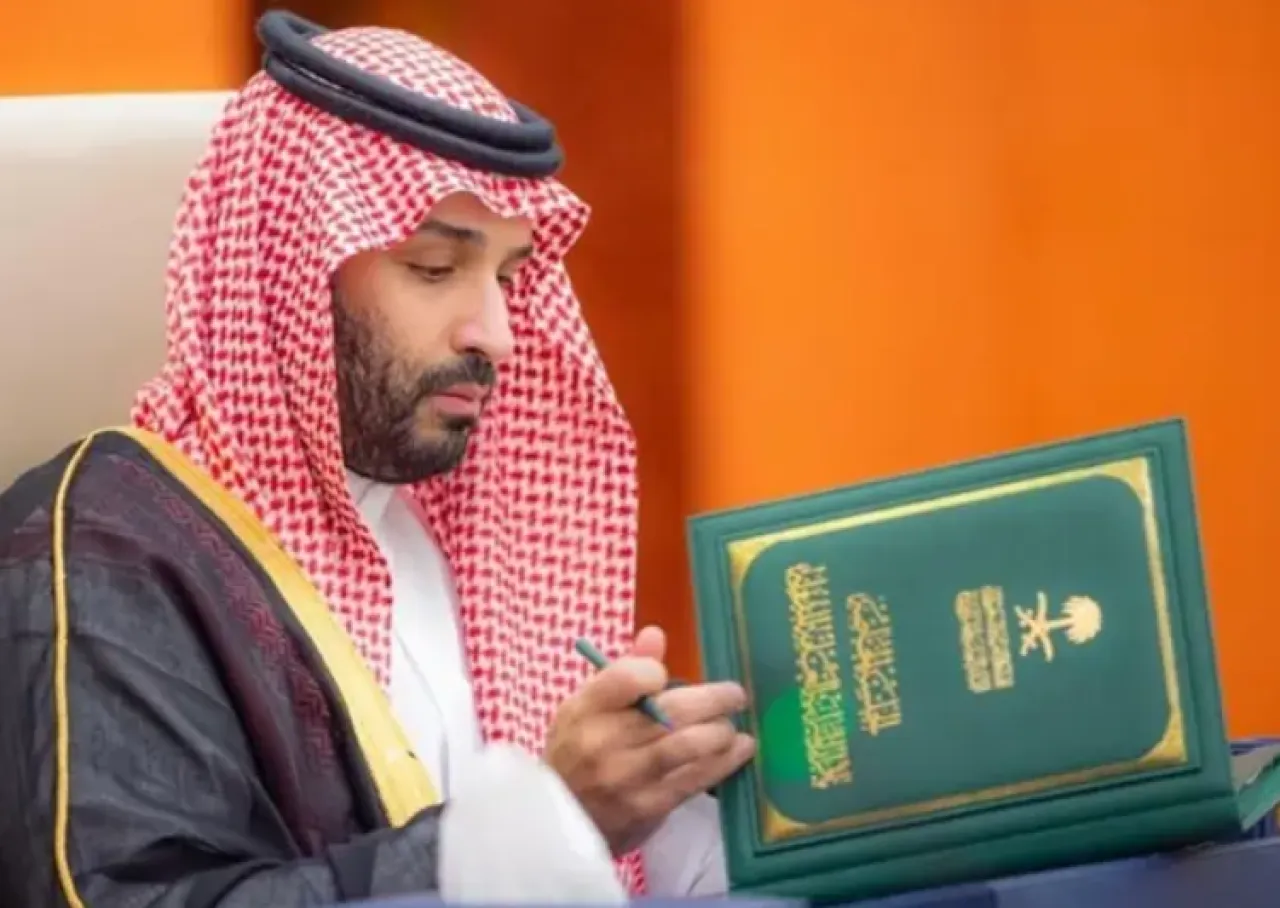
Prince Mohammed bin Salman bin Abdulaziz Al Saud, the Crown Prince, Prime Minister, and Chairman of the Council of Economic and Development Affairs, directed the ministers and officials - each in their respective roles - to actively commit to implementing the programs and projects included in the budget; developmental and social initiatives that contribute to achieving the objectives of Vision 2030 and prioritize citizens' service and care.
The 2026 Saudi budget includes a 2% increase in spending compared to the estimate for 2025.
The new budget continues the expansionary approach and represents the beginning of the third phase of Vision 2030, which focuses on accelerating achievements and intensifying implementation efforts.
The Saudi government expects the economy to grow by 4.6% in 2026, supported by non-oil activities.
The growth of the gross domestic product is estimated at a rate of 4.4% by the end of this year, and the non-oil economy is expected to grow by 5%, according to the budget statement.
Inflation is expected to register 2.3% in 2025 and2% in 2026 and1.8% in 2027 and1.9% in 2028.
Regarding economic growth, the International Monetary Fund expects the Kingdom's economy to grow by 4% this year, compared with 1.3% in the UK and0.7% in France and just 0.2% in Germany, and0.6% in Russia and1.1% in Japan, while growth in India is expected at 6.6% and in China at 4.8%.