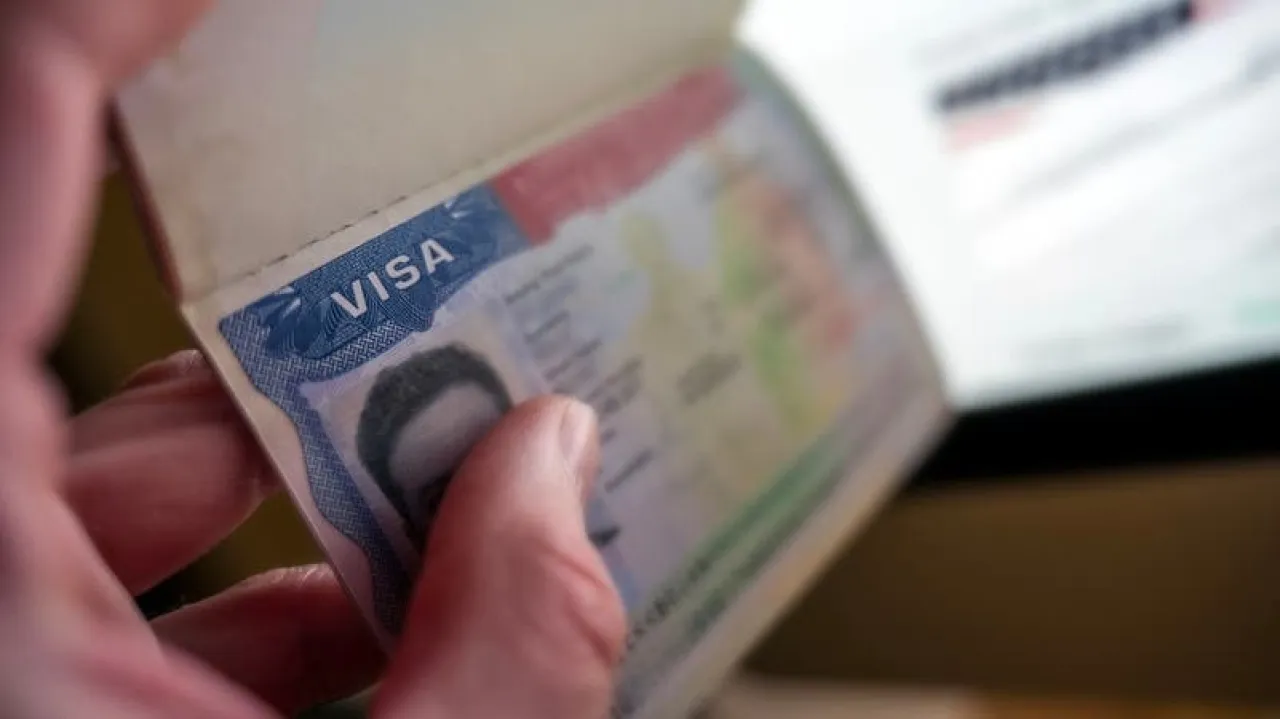
Khaberni - A telegram from the U.S. State Department revealed that President Donald Trump's administration has ordered its diplomats around the world to stop issuing visas to Afghan citizens, effectively suspending the immigration program for Afghans who assisted the United States during its 20-year presence in their country.
The telegram, sent to all U.S. diplomatic missions on Friday, stated that consular staff are instructed to deny any requests from Afghan citizens for immigration visas or any other types of visas immediately, including applicants for special immigration visas.
A former member of an Afghan unit supported by the U.S. Central Intelligence Agency was accused of shooting two National Guard soldiers in Washington D.C., one of whom later died.
U.S. Secretary of State Marco Rubio announced on the "X" platform on Friday that "all individuals" traveling with Afghan passports will have their visas "temporarily stopped from being issued".
The Friday telegram stated that the step to stop processing visas for Afghan citizens aims to "verify the identity and eligibility of the applicant to obtain a visa under U.S. law".
The U.S. Citizenship and Immigration Services had already indefinitely suspended the processing of immigration applications for Afghan citizens days earlier.
Sean Van Dever, the head of the "Afghan Evac" organization (a volunteer group that helps support U.S. allies from Afghanistan), had earlier told Reuters that about 200,000 Afghans had entered the United States through refugee and special visa programs by 2021. He added that the applications of another 265,000 Afghans outside the United States were still being processed, including about 180,000 in the special immigration visa program for those who worked for the U.S. government.
Since returning to office in January, U.S. President Trump has given top priority to enforcing immigration laws, sending federal agents to major American cities and turning back asylum seekers at the U.S.-Mexico border.