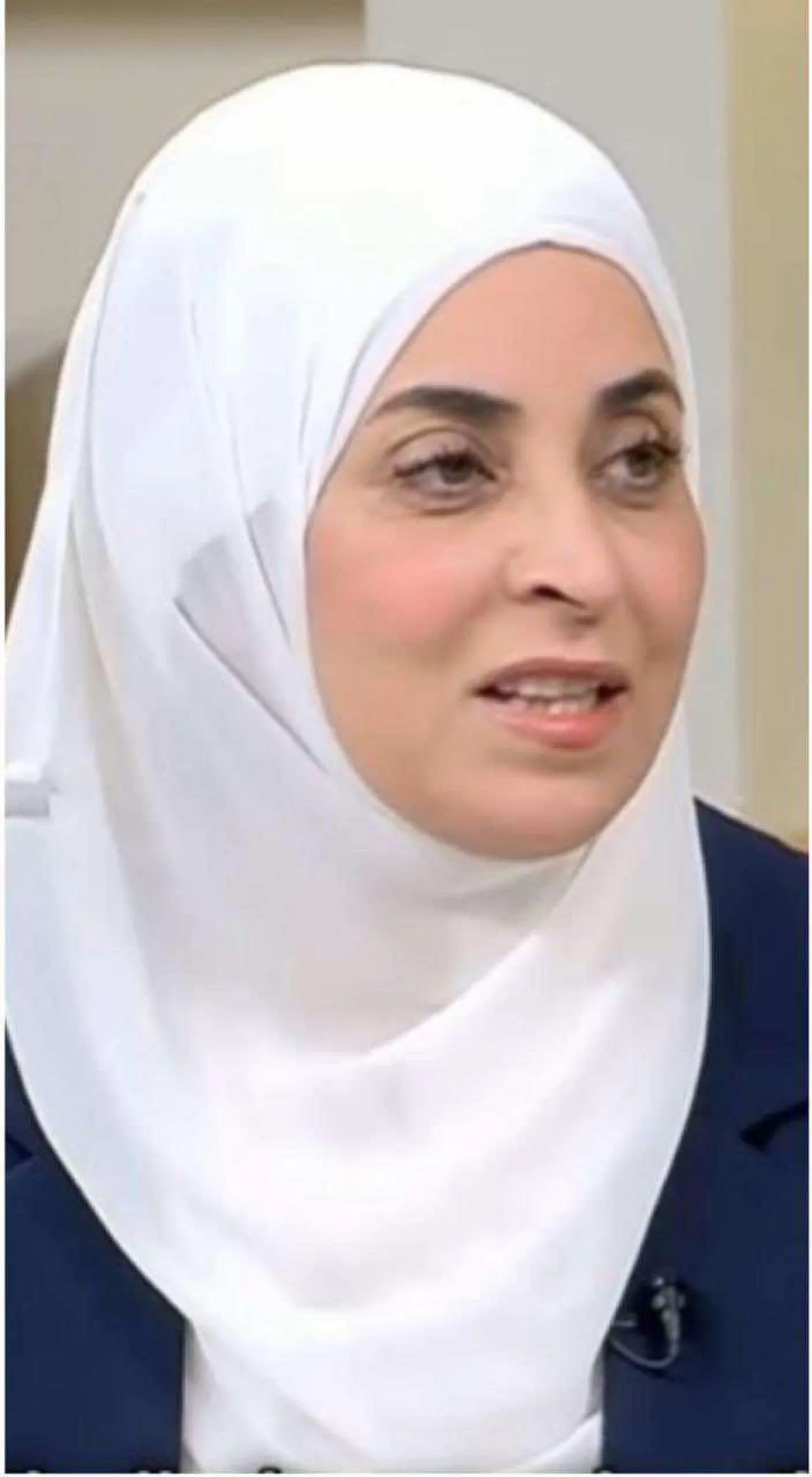
Khaberni - Dr. Ahlam Nasser
In recent years, the nature of the relationship between people and marriage has changed on a global level, and "spinsterhood" is no longer a phenomenon associated with women, as was the prevailing perception. Instead, it has become a growing reluctance primarily among men, which has led researchers to talk today about a male bachelorhood crisis that threatens the family structure globally before being an issue specific to women. The figures clearly indicate 2.1 billion individuals, and according to "World of Statistics" on platform X, Sweden has the highest rate of bachelorhood globally at 51%, with Saudi Arabia leading the Arab countries at 15%. This is a profound gap that reveals the crisis extends beyond the matter of opportunities to issues of readiness, desire, and ability to build a shared life.
This global shift is clearly reflected in the Arab region, and specifically in Jordan, where official statistics indicate approximately 2.7 million people, 1.7 million bachelors and 1.1 million bachelorettes, according to Al-Ghad newspaper from sources at the Department of Statistics/April 2024 and Khaberni newspaper/February 2023. This confirms that the phenomenon is not an individual case but a complete societal shift. The new generation is moving to new patterns of thinking, where marriage is no longer seen merely as a social step but a relationship that must provide its holder with peace, respect, and an opportunity for growth. Therefore, standards for choosing a partner have risen, the willingness to compromise has declined, and the circle of those who prefer to wait rather than entering a relationship that adds nothing to their soul has widened, in addition to pressures of economic circumstances and changes in values and roles.
What is paradoxical is that the previous discourse about “women's spinsterhood” no longer reflects reality, as today's reluctance among men is broader and deeper. The costs of living, marriage, and housing have become a burden weighing down on the youth. With the rise in dowries and the requirements for establishing a family, many now choose to delay marriage or abandon it entirely, not out of aversion to the relationship but feeling unable to bear its responsibilities amidst these pressures.
In the midst of this reality, voices are emerging calling for the study of the option of polygamy as a solution to the rise in the number of single women that complements this logical, scientific, and realistic analysis of the problem's nature and various circumstances. However, this proposal does not align with the current crisis's nature but rather exacerbates the situation and complicates it. The problem is not a shortage of men but their very reluctance, and in the absence of real readiness on both sides to enter into a relationship that impacts the plans and achievements of each in life, a society where millions of men find it difficult to build even one home will not be able to handle a second or third marriage, because the crisis is not numerical but emotional, economic, and psychological. Meanwhile, some families fear men's reluctance more than their daughters' delayed marriage, as the absence of a partner directly reflects on family and societal stability, and increases rates of loneliness and depression, as studies linking prolonged bachelorhood with a significant increase in depression symptoms confirm.
We are facing a world that is redefining family and marriage, a world where spinsterhood is no longer a female attribute nor is reluctance a transient state, but rather a choice for some and a result of pressing circumstances for others. The question today is no longer why marriage is delayed, but how we can create an environment that makes the relationship a space for tranquility rather than a new burden. The problem is not in the delay but in the changing concept of marriage itself, and the future of the family will depend on the ability of societies to understand this shift and address its roots rather than just looking for superficial solutions.