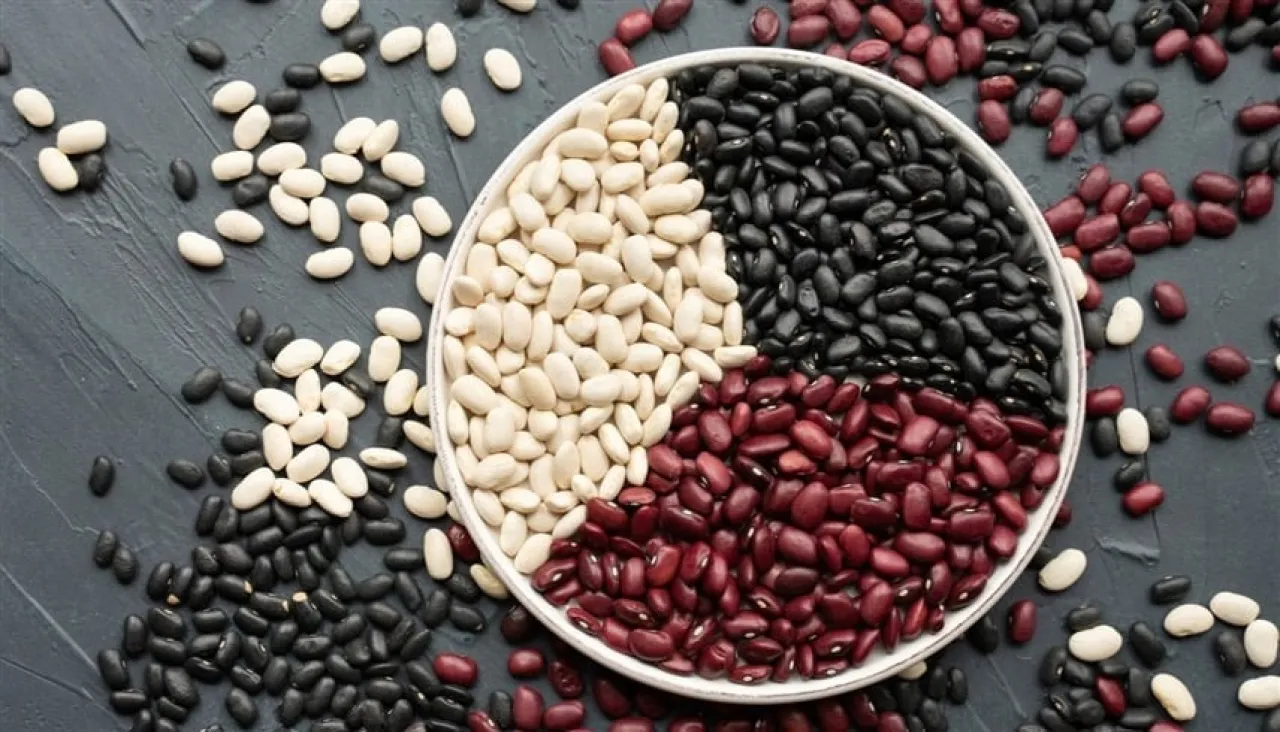
Khaberni - Legumes and beans are a great way to add protein, fiber, phosphorus, iron, and folic acid to your diet. Some influencers on TikTok encourage consuming two cups of legumes daily to boost overall body health, but is this amount excessive? And what is its impact?
According to "Free Will Health", promoters of this dietary pattern claim that consuming two cups of beans daily will help stop cravings for junk food, improve sleep, and promote calmness. But is this true?
The large amount of fiber
Teresa Gentile, a nutritionist and spokesperson for the Nutrition Academy in New York, says: "Beans provide beneficial nutrients and fiber, which most people need to increase in their diets. However, eating two cups of beans daily, especially for those not used to consuming this amount of fiber, may not necessarily be a good starting point."
Gentile continues: "Eating beans can help curb intense sugar cravings. Fiber slows down the rise in blood sugar and delays stomach emptying, keeping you full longer."
Since it helps regulate blood sugar, you will not suffer from a sharp decrease in sugar levels during the day, which can sometimes trigger intense sugar cravings.
Do they affect sleep?
However, according to the nutritionist, there is not enough evidence that beans help with sleep and calmness.
If you feel full, you might sleep better, and if your day is balanced and includes beans, you might feel calm because your blood sugar has not spiked and dropped throughout the day.
How do they affect the intestines?
Legumes contain fiber, including oligosaccharides, which can cause gas, bloating, and changes in bowel habits.
Those suffering from irritable bowel syndrome, or Crohn's disease are often more sensitive to the amount of fiber in food, and will experience worse gastrointestinal symptoms.
Because fiber is not completely broken down in the small intestine, it moves to the large intestine to feed the gut bacteria. This fiber is then fermented by the gut bacteria, which may lead to gas and bloating.
If you are new to eating beans, start with a quarter cup daily and gradually increase the amount every few days or weekly, according to the nutritionist’s advice.
Although this may vary from person to person, within two weeks, you may experience fewer digestive symptoms as your body gets used to digesting this fiber.
The sodium in canned legumes
On the other hand, canned legumes are often packed in a liquid containing sodium and some fiber compounds, so be cautious about the increased sodium content in food and its impact on blood pressure and smooth digestion if relying on canned sources.
Do two cups of beans satisfy my fiber needs?
There are many types of beans, and you can prepare them in different ways, but you should not rely on one type of food to meet all your fiber needs.
We obtain numerous nutritional benefits from eating a variety of foods.
Fruits and vegetables provide different types of fiber and nutrients, such as plant chemicals that are anti-cancer and anthocyanins, which work synergistically with other foods in our diet.
While it is harmless to consume some beans daily, variety helps us avoid monotony in our meals. Also, a good variety in food is always a good idea.