Sciatic nerve inflammation Khaberni - or what is known as sciatica, is an inflammation in the sciatic nerve, which is one of the largest nerves in the body and results in painful symptoms. In the following article, we will tell you about the causes and symptoms of sciatic nerve inflammation, as well as the methods of treatment and diagnosis.
What is sciatic nerve inflammation?
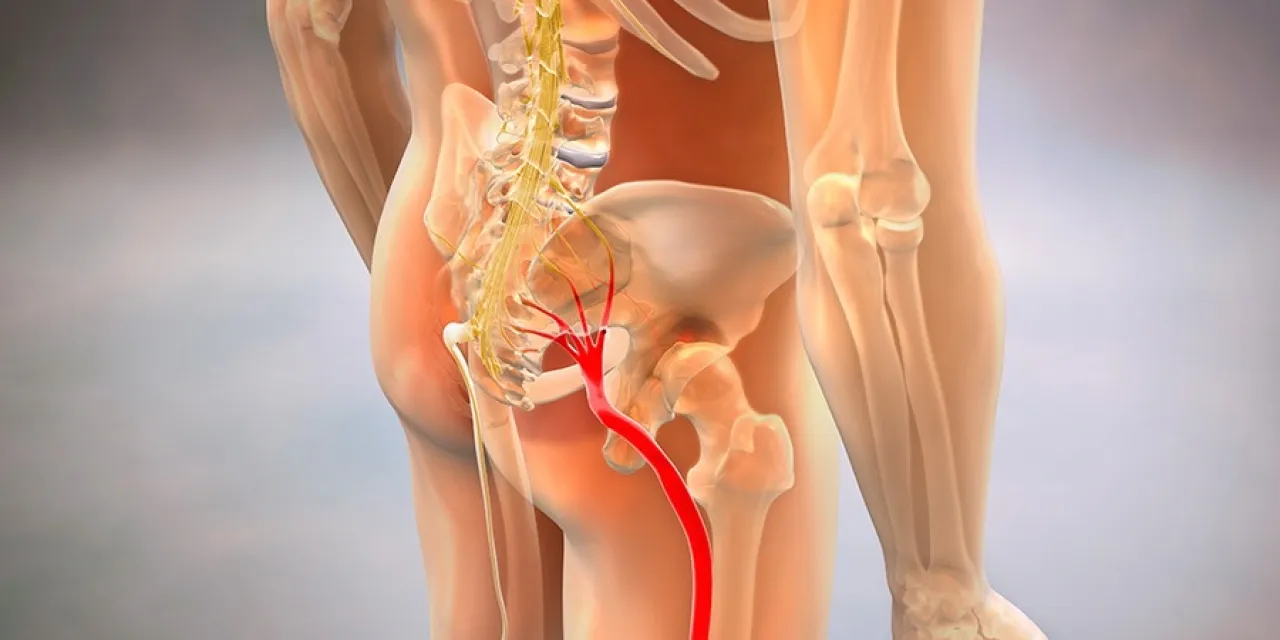
Sciatic nerve inflammation, or what is called sciatica, is the name given to the pain resulting from irritation of the sciatic nerve, which is the longest and widest nerve in the human body. It extends from the lower back through the buttocks and down the legs, ending just below the knee. Anything that irritates this nerve can cause pain ranging from mild to severe. Sciatica usually occurs due to a compressed nerve in the lower spine.
Causes of sciatic nerve inflammation
Sciatic nerve inflammation is a common symptom of several different medical conditions; however, 90% of cases are due to herniated discs.
Other causes of sciatica include:
• Spinal stenosis: meaning narrowing of the spinal cord in the lower back.
• Spondylolisthesis: a condition where the disc slips forward over the vertebra below it.
• Spinal tumors that may press on the sciatic nerve root.
• Infection: which ultimately affects the spine.
• Other causes: for example, an injury within the spinal column.
• Cauda equina syndrome, a rare but serious condition that affects the nerves in the lower part of the spinal cord; this condition requires immediate medical care.
In many cases of sciatica, there is no clear cause.
Risk factors for sciatic nerve pain
Common risk factors include:
• Age: People in their thirties and forties have a higher risk of developing sciatica.
• Occupation: Jobs that require lifting heavy loads for long periods.
• Sedentary lifestyle: People who sit for long periods and are physically inactive are more likely to develop sciatica compared to active individuals.
Symptoms of sciatic nerve inflammation
Inflammation in the sciatic nerve or sciatica can cause back and leg pain, and main symptoms include pain anywhere along the sciatic nerve, from the lower back, through the buttocks, and down the back of the legs.
Other common symptoms of sciatica include:
• Numbness in the leg along the nerve.
• Tingling sensation in the feet and toes.
This pain can vary in intensity and may worsen with prolonged sitting.
What are the treatments for sciatic nerve inflammation?
Treatment for acute sciatic nerve inflammation
Most cases of acute sciatica respond well to self-care measures, which include:
• Over-the-counter pain relievers like ibuprofen.
• Exercises such as walking or gentle stretching.
• Hot or cold compresses that help relieve pain, often it is beneficial to alternate between the two.
Be aware; not all pain relievers are suitable for everyone; you should make sure to review the options with a doctor.
Treatment for chronic sciatic nerve inflammation
Typically, treatment for chronic sciatica involves a combination of self-care measures and medical therapy:
• Physical therapy.
• Cognitive behavioral therapy (CBT) helps manage chronic pain by teaching people to interact differently with their pain.
• Pain relievers.
Surgery may be an option if symptoms do not respond to other treatments and continue to intensify, and surgical options include:
• Lumbar laminectomy: surgery to widen the spinal cord in the lower back to reduce pressure on the nerves.
• Discectomy: Partial or complete removal of a herniated disc.
Depending on the cause of sciatica, the surgeon may be able to suggest an appropriate surgical option.
Exercises for sciatica
There are several ways to relieve pressure on the sciatic nerve through exercise, allowing patients to:
• Alleviate their symptoms themselves.
• Reduce or avoid taking medications whenever possible.
• Find long-term relief and comfort for their condition during flare-ups.
Prevention of sciatic nerve inflammation
In some cases; sciatic nerve inflammation can be prevented. There are many lifestyle changes that can reduce the chances of developing it, including exercising regularly and making sure to use proper posture when standing, sitting upright, and lifting objects.