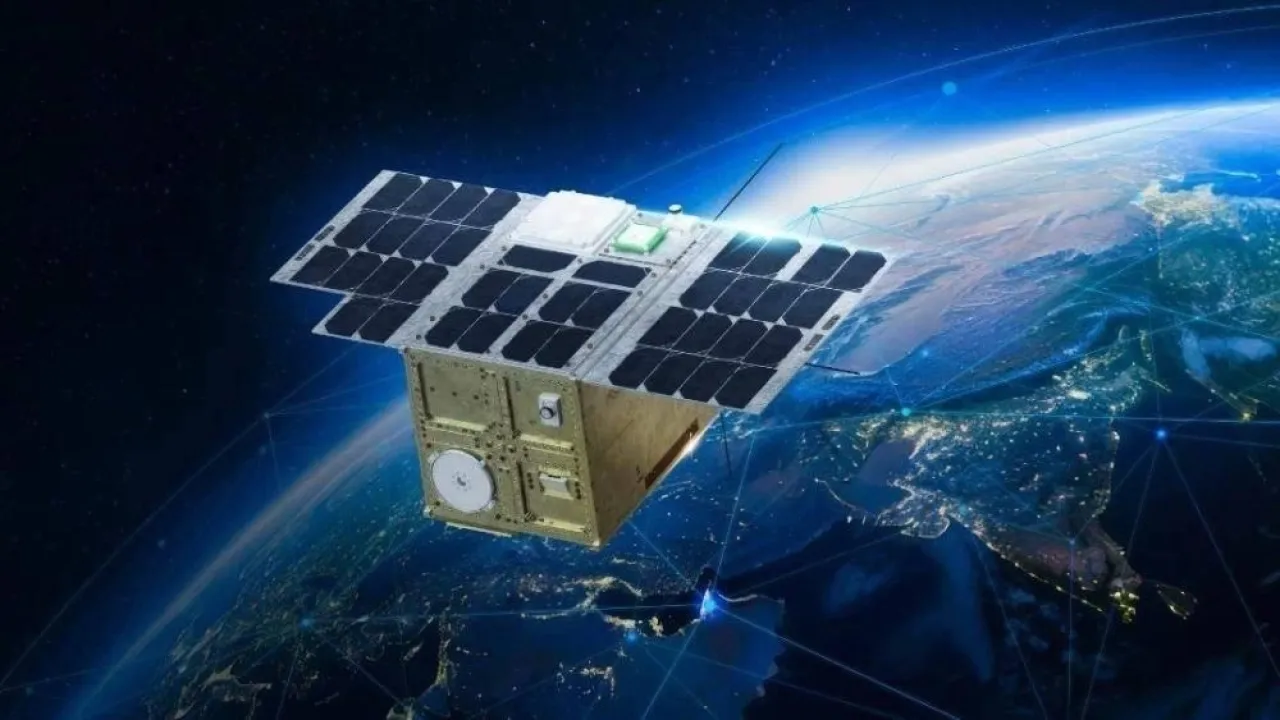
Khaberni - The Mohammed Bin Rashid Space Centre announced that it will launch the satellite (Fai 1) today, November 26th from Vandenberg Air Force Base in the United States.
The Mohammed Bin Rashid Space Centre developed this mission within the satellite payload hosting initiative in partnership with the United Nations Office for Outer Space Affairs, offering countries and entities the opportunity to test their innovations in space.
The satellite (Fai-1) is the first modular platform developed within the payload hosting initiative in partnership with the United Nations Office for Outer Space Affairs, as part of the "Access to Space for All" initiative,
The launch is scheduled onboard a Falcon 9 rocket from SpaceX from Vandenberg Base in California, USA.
A qualitative step
(Fai-1) represents a qualitative step in the journey of the UAE towards opening the space sector for nations and institutions, enhancing international cooperation in science and technology. The satellite was developed and assembled entirely in Dubai, reflecting the UAE's vision in investing in innovation and enabling international partners to actively contribute to the field of space exploration.
Space Innovation
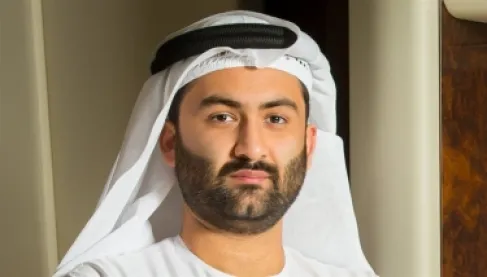
Amer Al Sayegh Al Ghaferi, Assistant General Manager for Space Engineering, Mohammed Bin Rashid Space Centre said: "The (Fai-1) mission embodies the UAE's vision in creating equal opportunities for everyone and contributing to building a sustainable future based on knowledge in the field of space exploration. This initiative provides a real platform that enables countries and institutions to actively participate in scientific research and space innovation, reflecting the development of this satellite entirely in the UAE, in cooperation with the United Nations Office for Outer Space Affairs, our commitment to enhancing international cooperation and empowering the next generation of engineers and researchers who will lead the global scientific exploration journey."
Realistic Space Projects
On her part, Arti Hulla-Maini, Director of the United Nations Office for Outer Space Affairs, said: "As we prepare to launch the satellite (Fai-1), the true power of constructive international cooperation becomes clear. Through the multilateral framework provided by the United Nations Office for Outer Space Affairs, and thanks to the advanced capabilities of the Mohammed Bin Rashid Space Centre, we enable new entities to transform their ideas into realistic space projects, gain valuable practical experience, and enhance their national programs. Such initiatives form a fundamental pillar to ensure equitable and equal access to space, and broader distribution of the benefits of scientific advancement among all nations."
Global Platform
(Fai-1) is a 12U CubeSat class modular satellite, weighing up to 20 kilograms with an operational life expectancy of about one year, designed to enable international partners to test and evaluate new technologies in low Earth orbit.
Through this mission, the Mohammed Bin Rashid Space Centre contributes to providing a supportive space environment for research, education, and innovation, enhancing the development of capabilities in the fields of satellite engineering, data processing, and real-time space mission operations.
Using Space for Humanity's Benefit
(Fai-1) was fully developed at the facilities of the Mohammed Bin Rashid Space Centre in Dubai, in cooperation with partners in the design, testing, and preparation stages, providing full technical support for integration and verification operations to achieve the operational objectives of each payload.
Once the satellite reaches a low Earth orbit at an altitude of about 500 kilometers, it will begin transmitting data to the control and monitoring station of the center, to be analyzed and shared with participating entities in support of future research.
This mission embodies the growing role of the UAE in building a global space system based on cooperation, sharing knowledge, and expertise, enhancing the use of space to serve humanity.
The (Fai-1) mission contributes to enhancing the United Nations' sustainable development goals, by building human capabilities in the fields of space engineering and scientific research to support quality education, promote innovation-based economies, and create exceptional job opportunities, in addition to developing advanced and sustainable industrial frameworks that support innovation and the infrastructure of the space sector.