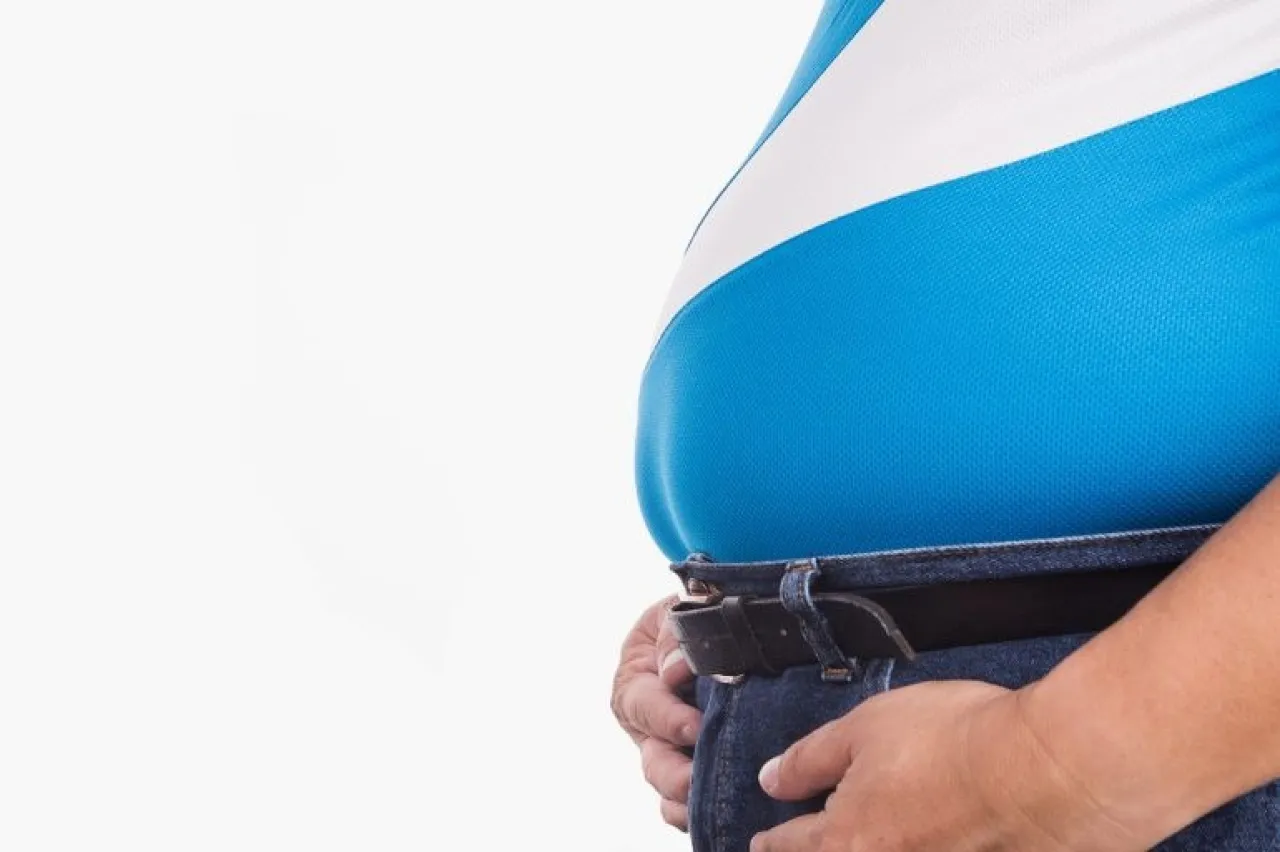
Khaberni - Researchers have found a correlation between a person having a large muscle mass with a lower ratio of visceral fat and brain health, according to a study conducted by specialists from Washington University in St. Louis, Missouri.
The researchers explained that a higher ratio of visceral fat to muscle is associated with an older brain age, while subcutaneous fat showed no significant correlation with brain age.
The study was conducted by researchers from Washington University in St. Louis, Missouri, USA, and its results will be presented at the annual meeting of the North American Radiological Society, which will be held from November 30 to December 4 in the United States, and was reported by the website EurekAlert.
Co-researcher Dr. Cyrus Raji, an associate professor in the Department of Radiology at the Mallinckrodt Institute of Radiology at Washington University's School of Medicine in St. Louis, Missouri, mentioned that healthier bodies with greater muscle mass and less hidden abdominal fat are likely to have healthier and younger-looking brains.
Raji noted that "participants with more muscle tend to have brains that appear younger, while those with more hidden abdominal fat relative to their muscles have brains that appear older."
He added that the fat located directly under the skin was not linked to brain aging, and in short, an increase in muscle mass and a decrease in the ratio of visceral fat to muscle were associated with a younger-looking brain.
Brain age is the computational estimate of chronological age through structural magnetic resonance imaging of the brain.
Raji added that "improving brain health in turn reduces the risk of future brain diseases, such as Alzheimer's disease."
Raji said, "Although it is known that chronological aging translates into a loss of muscle mass and an increase in hidden abdominal fat, this work shows that these health metrics are associated with the aging of the brain itself."
The researchers in this study examined 1164 healthy individuals from 4 locations using whole-body magnetic resonance imaging, and used an artificial intelligence algorithm to measure the total volume of normal muscle, visceral fat (fat hiding deep inside the abdominal cavity, surrounding vital internal organs), subcutaneous fat, and brain age.
Prospects for designing future treatments
Weight loss drugs containing glucagon-like peptide-1 (GLP-1) such as Ozempic have the ability to stimulate fat loss, but may also be associated with an increase in muscle loss.
According to Raji, the results of this study could contribute to the design of future treatments, such as glucagon-like peptide agonists that target visceral fat more than subcutaneous fat and reduce muscle loss.
He said, "The loss of fat—especially visceral fat—while preserving muscle mass will have the greatest benefit on brain aging and brain health based on the insights derived from our work."