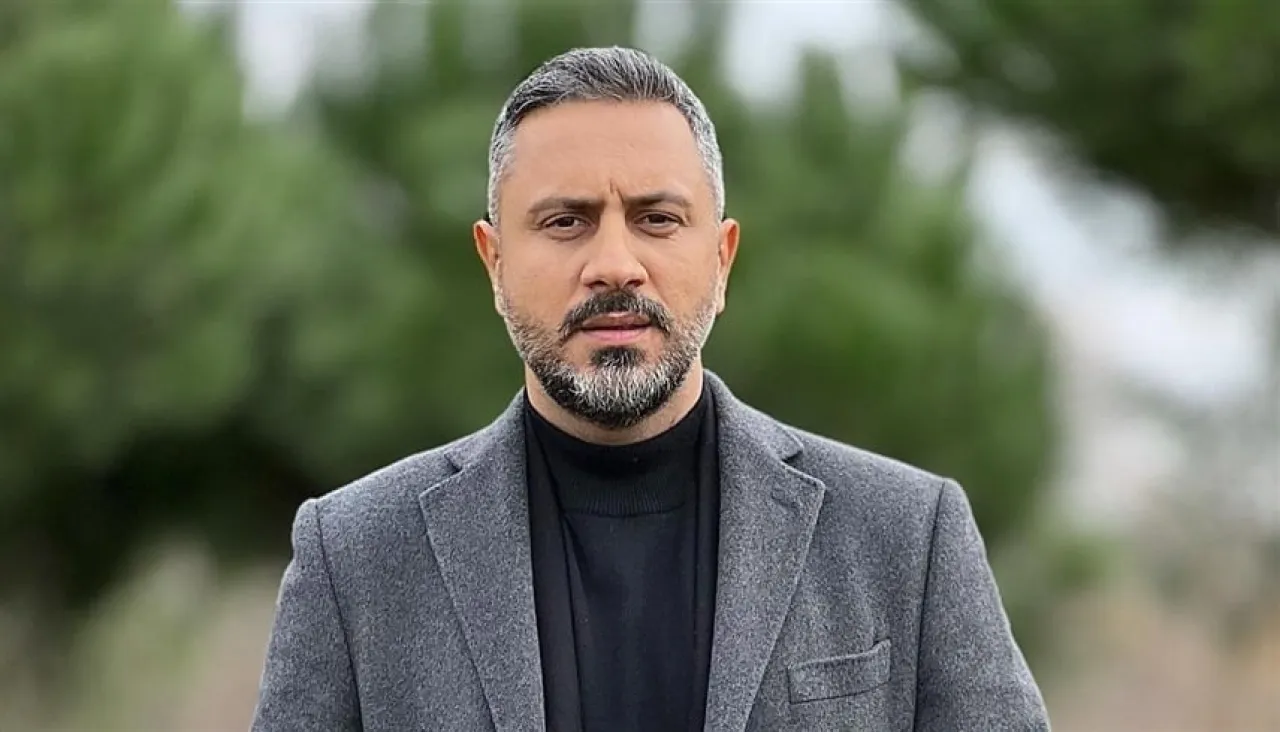
Khaberni - Syrian artist Qays Sheikh Najib revealed his readiness to embark on a new artistic phase that includes a set of dramatic and cinematic projects, following his apology for not participating in the series "City Kitchen".
Qays explained to local media that the upcoming period will witness a variety of works, some of which may be presented during the upcoming Ramadan season, despite the limited time, noting the possibility of presenting a short drama, alongside other projects being prepared for after the Ramadan season of 2026.
Sheikh Najib said: "What is past is past, and we are currently working on several projects that have not yet been announced for logistical reasons, some of which may see the light in the upcoming Ramadan season, while there is a movie project and a number of short series under execution."
Regarding his recent visit to the Kingdom of Saudi Arabia at the invitation of Counselor Turki Al-Sheikh, he noted that the visit constituted an important milestone in his career, pointing out that the support provided for Syrian drama from within the kingdom may contribute to a new revitalization of the Syrian artistic sector, benefiting artists and drama producers at various levels.
The first ambassador in Damascus
Qays Sheikh Najib's remarks came days after UNICEF announced his appointment as its first ambassador in the Syrian capital Damascus, during a press conference where the organization’s representative in Syria, Zeinab Adam, confirmed that Sheikh Najib will play a pivotal role in supporting childhood issues and advocating for children's rights, especially in education, health, and protection.
For his part, Sheikh Najib expressed his pride in this humanitarian role, asserting that he does not view it as a ceremonial position, but as a real responsibility that requires field presence and continual efforts to serve children in Syria.
He explained that during a field tour with UNICEF teams, he was introduced to a number of fundamental programs, which include child care from birth, vaccination, combating malnutrition, in addition to supporting education, rehabilitating nurseries and schools, and empowering adolescents through skill-building programs.
He also emphasized the importance of psychological and social support for children affected by the impacts of war, pointing out his participation in specialized workshops aimed at mitigating the effects of psychological trauma, protecting children from violations, and helping them to express their emotions in healthy and safe ways.