Khaberni - Prominent Sunni leaders in Iraq announced on Sunday the formation of a unified political gathering under the name "National Political Council" aimed at unifying visions and decisions after the legislative elections which the Sunni parties had contested with separate lists.
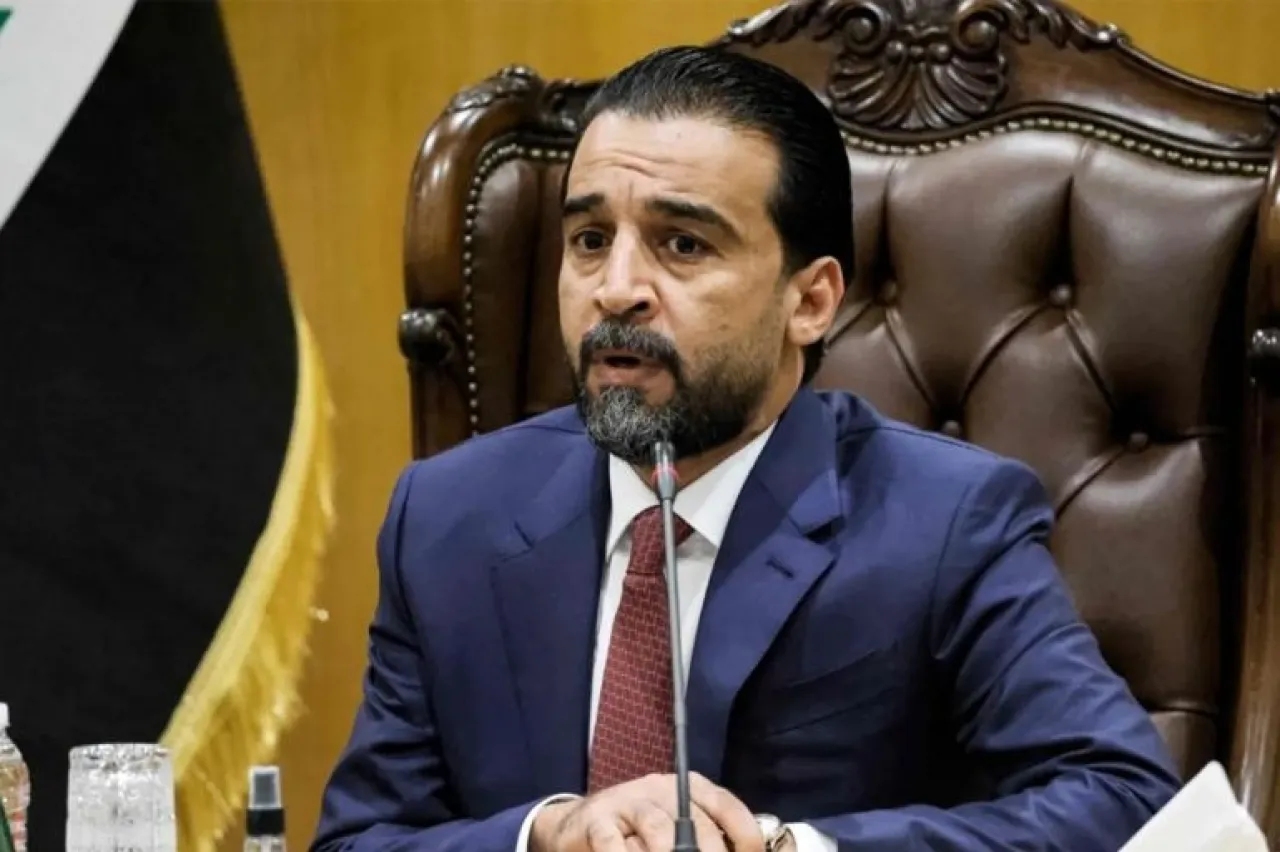
The announcement followed a meeting in Baghdad that included leaders of 5 major parties and alliances, including the "Progress" movement led by the former Speaker of Parliament Mohamed al-Halbousi, and the "Sovereignty" alliance led by businessman Khamis al-Khanjar who is under American sanctions, alongside the "Azim", "Hasm Al-Watani", and "Al-Jamahir" parties, initiated by al-Khanjar.
A statement issued by the attendees clarified that the council will serve as an umbrella to coordinate positions and unify decisions regarding various major national issues, and work with a shared vision to ensure constitutional rights and enhance Sunni representation in state institutions, with continuous periodic meetings throughout the sixth parliamentary term.
The leaders emphasized that the council will remain open to all national partners, adhering to the principles that preserve the unity and stability of Iraq, and safeguard the rights of all components without exception, stemming from a national vision aimed at building a strong and fair state.
The council includes about 65 deputies in the new parliament, and is negotiating to obtain the position of Speaker of the Iraqi Parliament in the current session, in addition to major ministerial portfolios including the Ministry of Defense.
Since the first multiparty elections held in Iraq in 2005, two years after the American invasion that overthrew the regime of President Saddam Hussein, the Speaker of the Council of Representatives has been a Sunni, the Prime Minister has been a Shiite who is the actual representative of the executive authority, and the President has been a Kurd, based on a power-sharing system among the influential political forces.
This comes at a time when last week the "Coordination Framework" coalition formed of Shiite parties announced the formation of the largest parliamentary bloc, and the next day the coalition of the acting Prime Minister Mohammed Shia' Al Sudani joined, granting it the parliamentary majority to choose the next Prime Minister, and this bloc secured more than 175 seats, more than half of the 326 seats in Parliament.