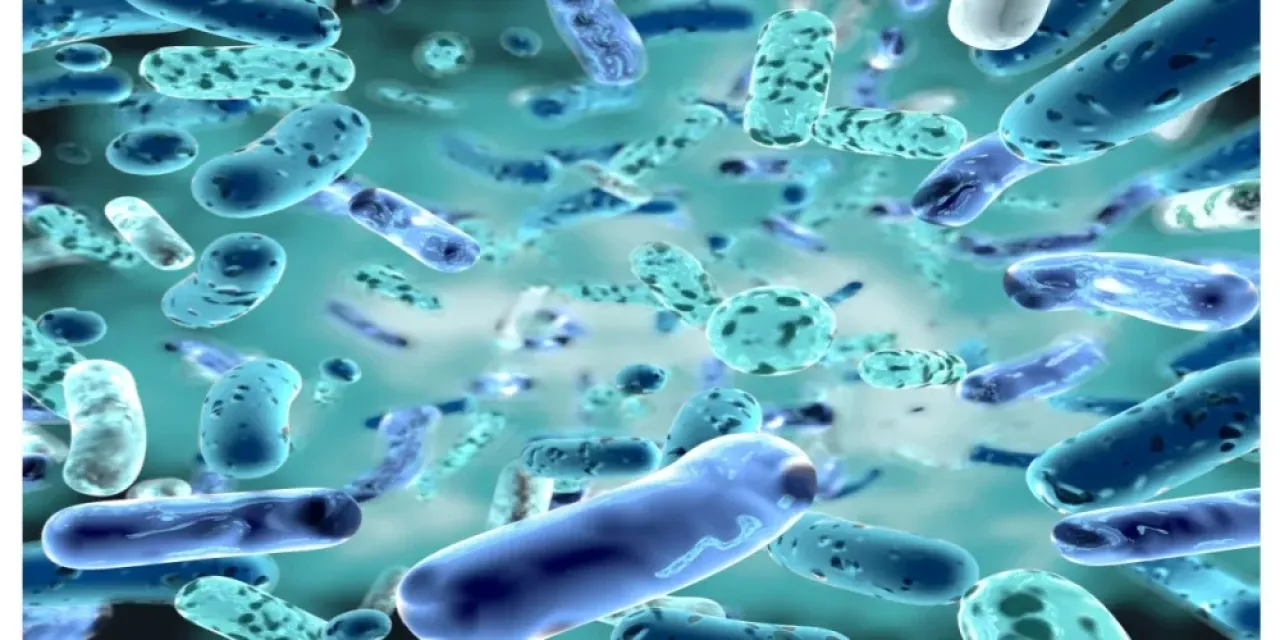
Khaberni - Health experts indicate that dust and objects in our homes may contain up to 9,000 types of bacteria, so how does this bacteria affect our health?
We often hear about the importance of maintaining a balance of bacteria in the oral cavity and digestive system, but we should not forget the bacteria in places where we live, work, and study. Current research shows that bacteria found in homes and indoor environments have a significant impact on our health—including our respiratory and immune systems, and even our mental health.
What affects the composition of bacteria in our homes?
The composition of bacteria in our homes largely depends on the individual, as cooking habits, consistency and quality of cleaning, and the presence of pets all influence the prevailing bacteria in the house. The design of the home itself also plays a role, as the ventilation system, the entry of daylight into rooms, and the types of building materials are all factors that can enhance or inhibit the growth of certain types of microbes.
The bacteria that live in our homes have both positive and negative effects on our health:
Health experts indicate that with continuous exposure to certain types of bacteria, the immune system "learns" to distinguish between harmful and harmless microorganisms, reducing the likelihood of developing allergies and autoimmune diseases (such as asthma, hay fever, eczema, and even multiple sclerosis) in the future. A "trained" immune system also fights common respiratory diseases more effectively—such as colds, flu, and bronchitis.
Of course, not all microorganisms are harmless; some conditions (such as poor ventilation and moisture) promote the growth of harmful bacteria. Indoor humidity enhances mold growth, which may increase the risk of respiratory diseases and allergies. Poor ventilation in the home also facilitates the spread of viruses that cause respiratory diseases, such as colds, flu, and COVID-19.
Some studies suggest that frequent use of antibacterial cleaning products to sanitize the home may encourage the growth of bacteria resistant to these products; therefore, it is preferable to clean kitchens and internal surfaces in the home with regular water and soap.