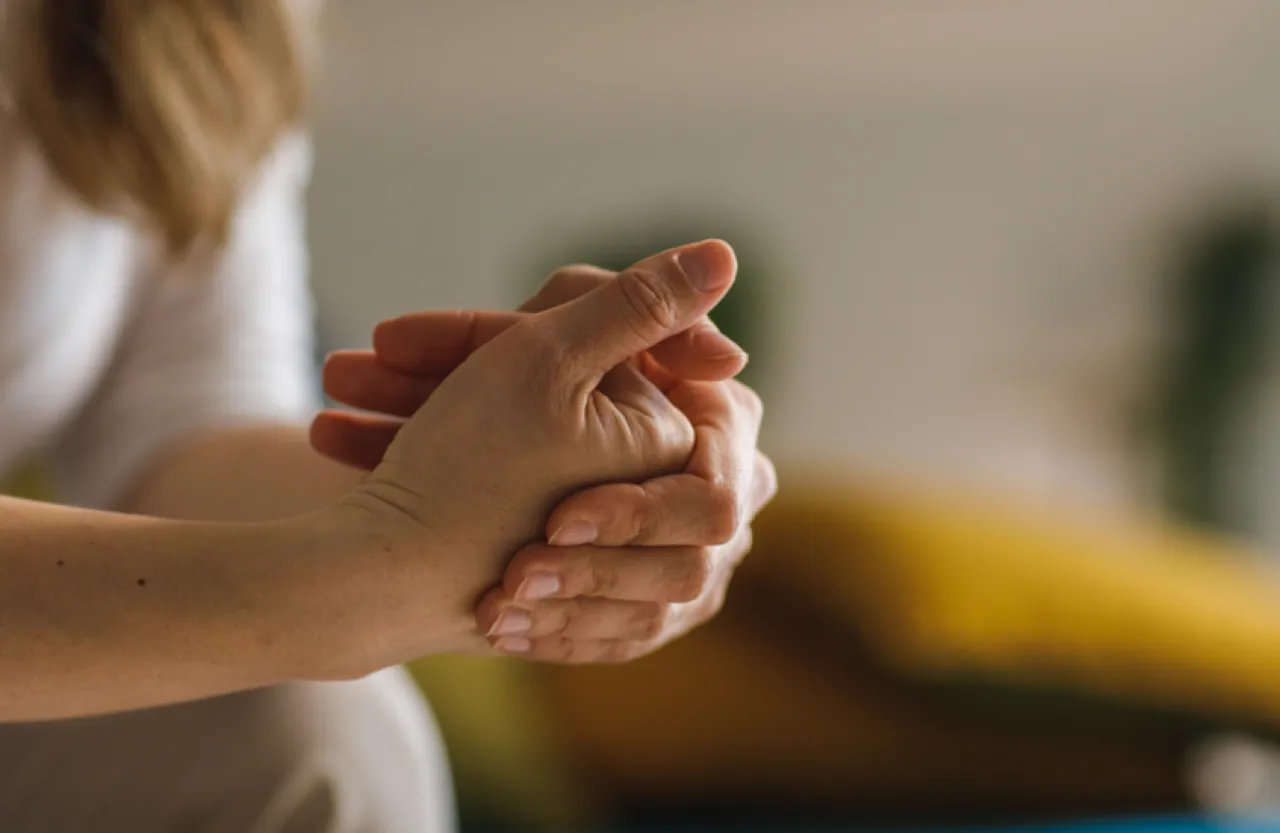
Khaberni - The prevalence of finger cracking, which many practice out of habit or stress, sparks many myths and fears about its effect on joint health.
Despite appearing as a simple habit, the debate around it remains, especially regarding its potential link to arthritis or decreased hand strength.
To correct these misconceptions, Dr. Syed Nadim Abbas, a specialist in joint pain management and stem cell-based treatments, clarifies what actually happens when joints are cracked and when this habit should receive medical attention.
The truth: There is no strong evidence linking this habit to the development of arthritis. The cracking sound is usually caused by the formation and collapse of gas bubbles inside the synovial fluid when the pressure changes. (The synovial fluid is located inside the cavity of joints that move easily, such as the finger, knee, hip, and shoulder joints).
When should you worry? You should consult a doctor if symptoms such as pain, swelling, warmth, or limited mobility accompany the cracking.
Abbas confirms: "The cracking sound is not a grinding of the bones, but rather a change in the synovial fluid. In the absence of pain or swelling, cracking is not a matter of concern. However, if it is painful or accompanied by joint locking or persistent swelling, the condition should be medically evaluated."
Arthritis can affect all ages, including children. Although osteoporosis often appears with aging, inflammatory types like rheumatoid and psoriatic may appear early, making early diagnosis crucial for maintaining joint health.
Exercising properly is an effective way to alleviate the symptoms of arthritis. Low-impact exercises such as swimming and cycling, along with muscle-strengthening exercises, help reduce stiffness and improve joint support and pain relief. During periods of increased symptoms, it is advisable to adjust physical activity rather than stopping it entirely, while adhering to a guided exercise program suited to the joint condition.
Dr. Abbas explains that stem cell-based treatments may help some patients by modulating the immune response within the joint, contributing to reduced inflammation and improved function. He notes that the effectiveness of these treatments increases when combined with rehabilitation programs and a healthy lifestyle.