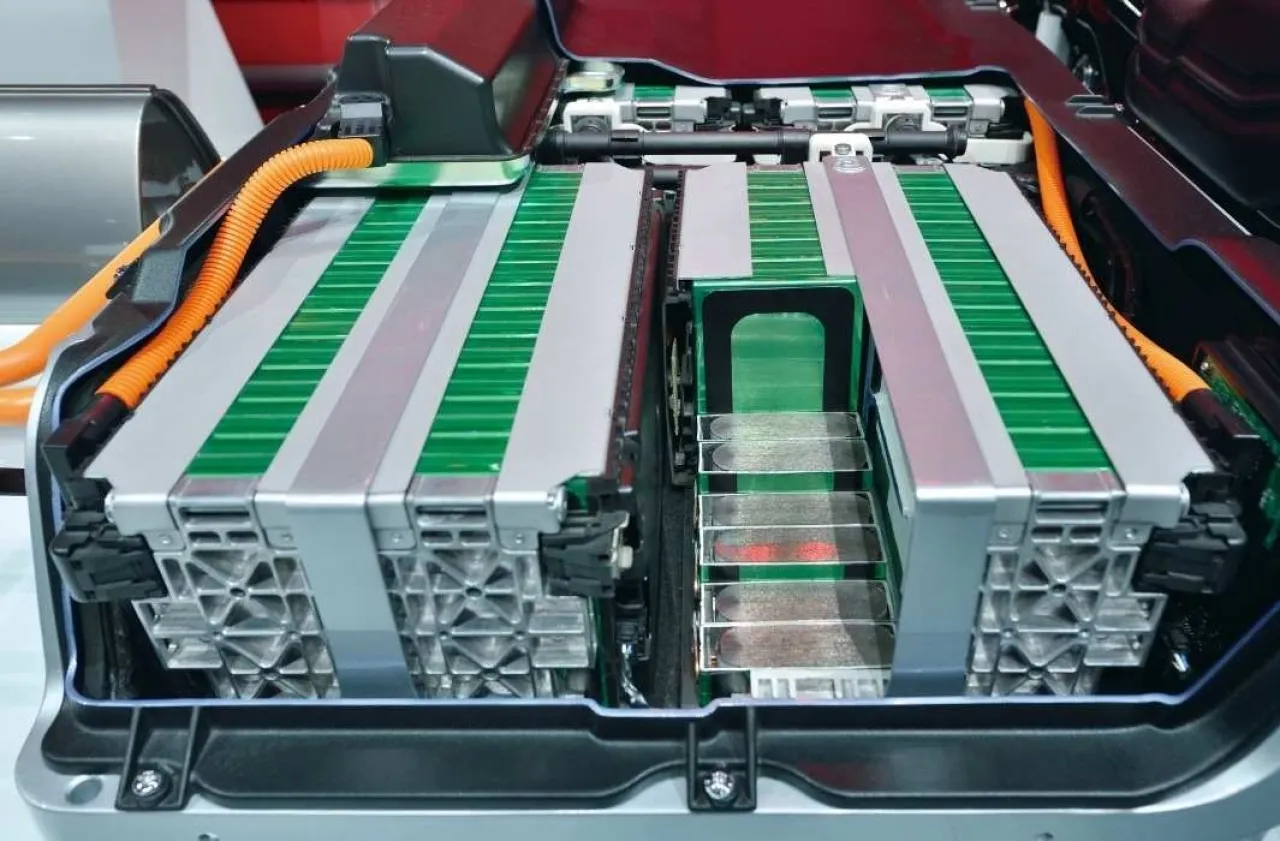
Khaberni - Jihad Al-Swa'air, the Environmental Minister's Advisor for Technical and International Affairs, stated that the ministry has licensed 3 private companies qualified to collect and handle used electric car batteries as hazardous waste.
Al-Swa'air explained that the three licensed companies are working on collecting and re-exporting these batteries abroad.
Al-Swa'air emphasized that the steady growth in the electric car sector requires planning to deal with the waste from these car batteries to ensure a safe environment from hazardous wastes, expecting an even larger increase in such waste in the future.
Fully electric vehicles constitute 15% of the total number of vehicles in the kingdom, while electric and hybrid cars make up 28%, according to Al-Swa'air.
Al-Swa'air highlighted the need to frame the effort to manage the expected volume of batteries from electric cars, through utilizing them, aiming to make Jordan a model in this field.
Al-Swa'air stated that storing electric car batteries at the hazardous waste landfill in the Saqba area is safe and ensures environmental safety.
In his opening speech for the dialogue on "Tracking Electric Car Batteries," Minister of Environment Ayman Suleiman said: The environmental challenges accompanying the growth of the electric car sector necessitate national preparedness to handle the defective ones.
The minister stressed the necessity of having a database for tracking batteries, in cooperation with the Standards and Metrology Organization, the General Customs Department, and the private sector, with the Ministry of Environment as the regulatory authority for tracking efforts.
The ministry previously disclosed to "Khaberni" that it exported 720 tons of electric and hybrid car batteries during 2024, noting the issuance of standard operating procedures for handling lithium battery incidents, in cooperation with the Public Security Directorate and the Civil Defense, which include mechanisms for dealing with batteries resulting from traffic accidents.