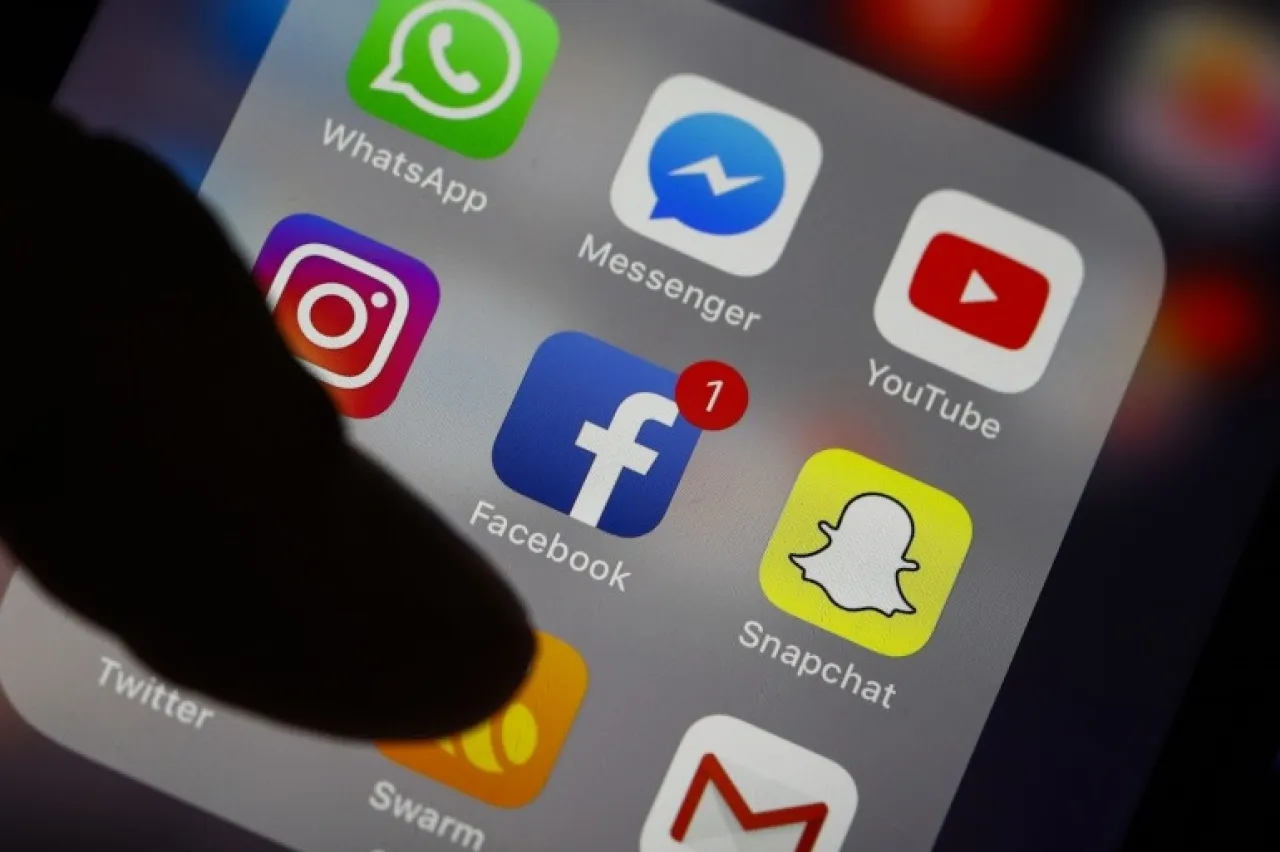
Khaberni - The media landscape is undergoing a rapid transformation due to social media, which has become an important source for news distribution among a wide segment of citizens, especially the youth, where this shift has had a significant impact in the era of digital platforms.
Opinions agree that social media has become a key player in shaping public opinion in Jordan, but at the same time it imposes a great responsibility on media institutions to develop their tools, and on the public to raise their digital awareness.
In their discussion with the Jordanian News Agency (Petra), experts conclude that the future of media depends on balancing speed and accuracy, and on building a trust relationship between the journalist and the audience in a rapidly changing digital world.
They warned about the exchange and transfer of information among individuals without verifying accuracy and credibility, to preserve the information security of the community and prevent the spread of rumors that negatively affect everyone.
In this context, digital and film media expert Ahmed Ayash says that social media has revolutionized information transmission, as it now allows anyone to publish news that reaches tens of thousands within minutes, but he warns that "this speed comes with significant risks due to the absence of content verification, especially when the public relies on anonymous sources or unofficial pages."
Ayash adds: "The problem is not with the technology itself, but with the lack of verification skills among users, and the reliance of some on rumors instead of confirmed news, which creates a state of information chaos."
For her part, Aseel Maryan, an academic in mass communication, sees that social media has changed the public's relationship with news, as the audience no longer waits for an official statement or traditional news bulletin.
Maryan explained that today's audience interacts, critiques, and shares, and this is positive in terms of community engagement, but it poses a significant challenge for media institutions to maintain news accuracy amidst the race to gain interaction.
Maryan points out that some pages seek to spread at the expense of professionalism, benefiting from the audience's speed in reposting without verification. She noted that there is a confusion between media and content, and between the journalist and the content creator, which needs regulation and legislation to protect the public.
Dr. Mahmoud Farid, a specialist in digital and mass content, confirms that platforms have become a fertile environment for rumors, especially during crises.
He added: "Today, we are facing a phenomenon called digital amplification, where false news spreads faster than accurate news, due to the nature of the algorithms that prefer more sensational content," pointing out that the solution lies in "enhancing media and information education in schools and universities, and encouraging the public to refer to reliable sources before interacting with any news."