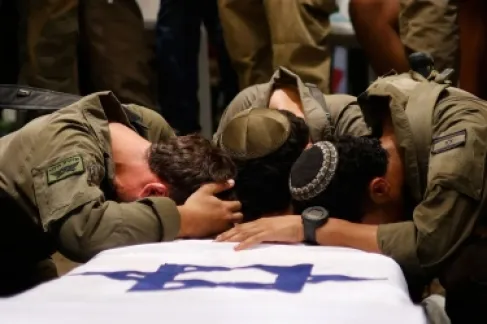
Khaberni - The period after the agreement to “cease hostilities between Lebanon and Israel” in November 2024 did not succeed in providing any stability to the Lebanese scene, as Israeli breaches of the agreement continue under the pretext of pursuing Hezbollah elements and attempts to rebuild its strength.
The Israeli breaches of the ceasefire were not limited to southern Lebanon, but also extended to the east of the country and the southern suburbs of the capital Beirut, in areas considered main strongholds of Hezbollah, and were manifested last Tuesday by the bombing of the Ain el-Hilweh refugee camp.
The total Israeli army breaches since the agreement began to take effect amount to about 4,500 breaches, according to a Lebanese army count last September.
Hezbollah's Weapons
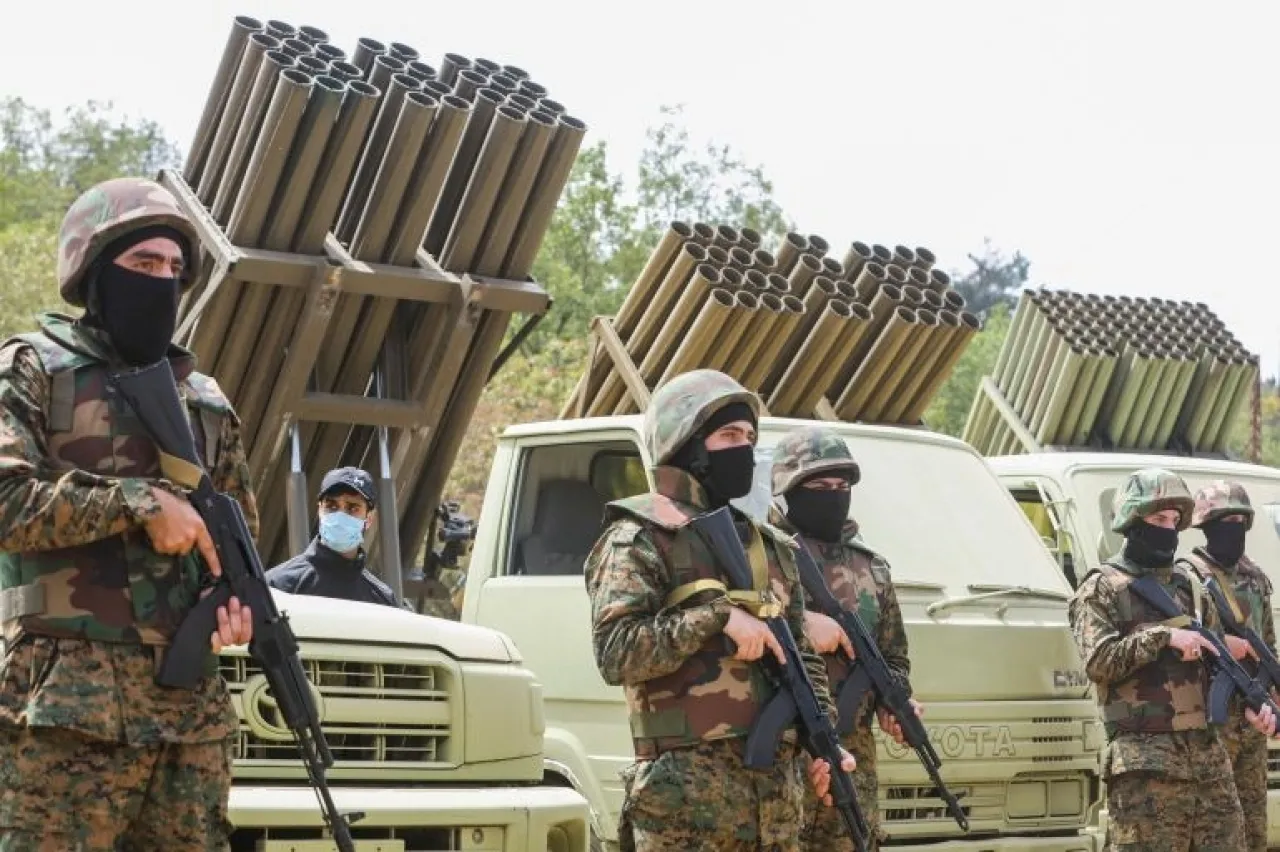
Despite demands to surrender its weapons, Hezbollah has maintained the narrative of resistance and worked on extensive restoration of its military and organizational resources, according to several press reports.
In its statement last July titled "Open Letter to the Three Presidents and the Lebanese People", the party affirmed its "legitimate right to resist occupation and aggression."
It emphasized its rejection of any proposal aimed at disarming the resistance, considering that discussing this issue in the current circumstances "serves the Israeli enemy and its projects in the region".
At the end of last October, The Wall Street Journal published a report stating that "Hezbollah has begun rebuilding its military arsenal and reorganizing its ranks."
According to the report, intelligence assessments indicate that Hezbollah is storing missiles, anti-tank systems, and heavy artillery, and it is alleged that some shipments arrive through Syrian smuggling routes and Lebanese seaports.
The newspaper added that the party has also resumed local weapons production, indicating significant rearmament efforts less than a year after the ceasefire took effect.
French newspaper Le Figaro reported last October that Hezbollah is now operating almost entirely underground, noting that the party is rebuilding its leadership structure and military strength secretly.
The United Nations peacekeeping force in Lebanon (UNIFIL) previously announced the discovery of a wide network of fortified tunnels belonging to the party in the vicinity of several southern Lebanese towns, containing weapons and missiles among other ammunition and anti-tank mines, and other explosive devices.
Israeli Convictions
On the Israeli side, the conviction that Hezbollah continues to focus on rebuilding its military capabilities is solidifying. A report by the National Security Studies Center in Israel stated that "since the ceasefire, the party has clearly reorganized itself by renewing its financial reserves, looking for new ways to smuggle weapons into Lebanon, recruiting members, and restructuring its institutions".
According to the Wall Street report, Israeli military sources stated that Hezbollah smuggled hundreds of short-range missiles from Syria to Lebanon in recent months and is working on rebuilding its leadership structure.
Regarding the size of the forces and ammunition, the Jewish News Syndicate website reported that "Hezbollah's strength in Lebanon amounts to 40,000 members, and it has between 15,000 and 20,000 missiles and shells at its disposal," quoting special American envoy Tom Barrack as saying that "this stockpile represents a basic foundation for the military recovery of the party, although it is much less than its previous capabilities".
While Israeli airstrikes aimed at disrupting rearmament operations continue, Israeli estimates confirm that Hezbollah is trying to rearm and recover.
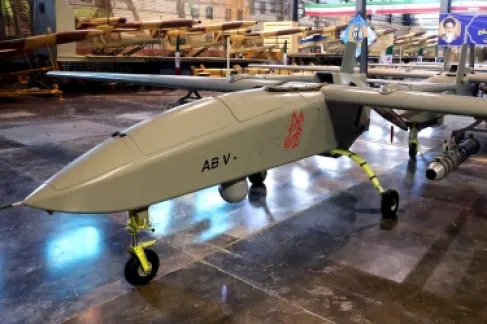
Israeli estimates indicate that Hezbollah's arsenal is about 20,000 military units, and the party has expanded its drone program and rebuilt storage and assembly facilities, indicating the diversity of recovery tools and not limited to traditional missiles.
A report by the Israeli news site Ynet indicates that Hezbollah is quickly rebuilding capabilities across three axes: "missiles, shells, and drones, and infrastructure".
It is estimated in Israel that Hezbollah possesses tens of thousands of these missiles and several thousands of remaining missiles, in addition to producing thousands of new airborne drones since the end of the war. The report adds that Radwan Force members have reorganized their ranks in the area between the Litani River and the border in major cities like Nabatieh
.