Khaberni - Minister of Agriculture Dr. Sa'eb Khreisat said that according to information from traders and exporters in the country of origin, the price will approximately be around 5 dinars or 5 and a half dinars per kilogram or liter of olive oil upon arrival in the markets, and this depends on the shipping costs and the original price in the country of origin.
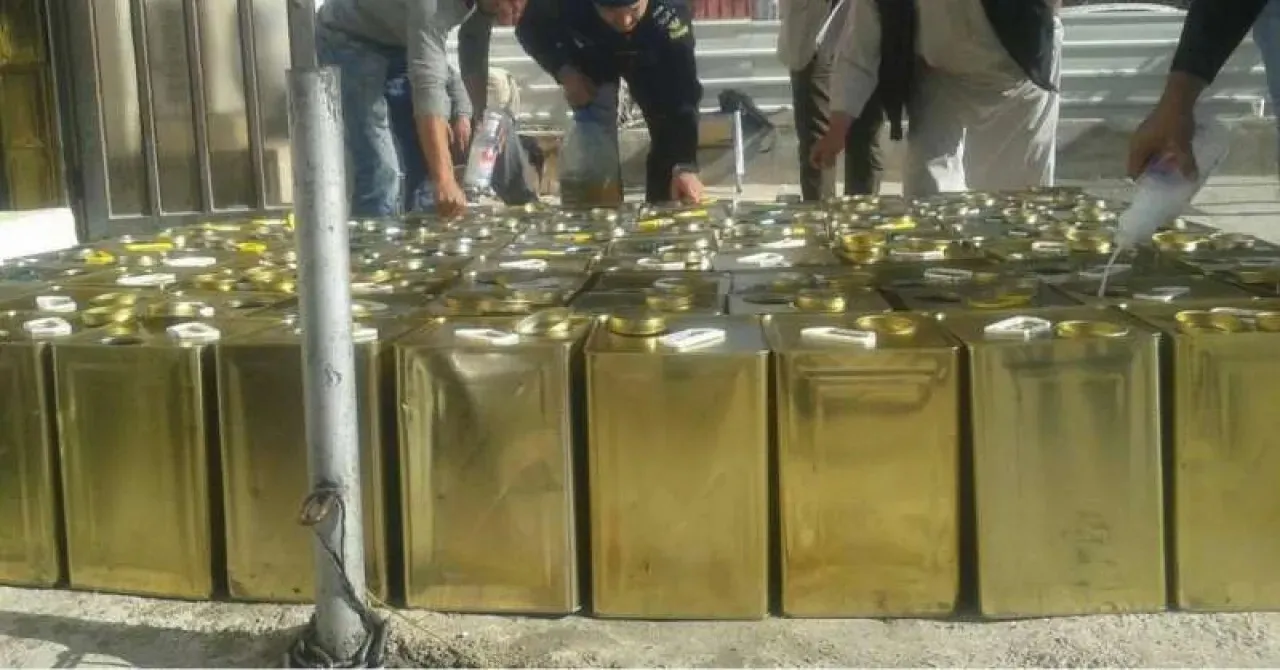
He indicated that initially, the prices range between 5 dinars and 5 and a half dinars per kilogram or liter of imported olive oil and the prices for the commonly known packaging/tin (16 kilograms) will be about 80 to 85 dinars for the imported oil.
Khreisat added in an intervention via the Public Security Radio, that traders have started communicating with exporters in various countries and the first shipment of olive oil is expected to arrive within two to three weeks, noting that this depends on the traders urging the import of olive oil as soon as possible.
He explained that the quantity to be imported is about 10,000 tons, which is to cover the deficit of olive oil this year, and the import will be in two batches. He pointed out that the ministry has started issuing permits, and currently, there are approximately 6,000 tons of import permits, which will be the first batch. Depending on the receipt of the oil and its distribution in the markets and its sale to consumers, if there is a need for further imports, this will take place.
He said, the ministry resorted to this option to maintain prices while simultaneously giving local Jordanian farmers an opportunity to market their local product, also balancing the interests of the farmer, consumer, trader, and importer.
He continued that the Ministry of Agriculture has issued import licenses for olive oil from member countries of the International Olive Council, which include countries like Spain, Italy, Tunisia, Greece, Turkey, and several other countries, emphasizing that the ministry chose these countries due to international regulations and commitments regarding oil quality.
He noted that the imported oil will be of very high quality as the suppliers and importers are required to meet very high specifications, ensuring that the oil is extra virgin and first cold-pressed and complies with Jordanian standards and international standards, which are also according to the International Olive Council, including that it must be stamped from the country of origin. In addition, the arriving oil will be tested through labs in the Ministry of Agriculture, customs, Food and Drug Corporation, and other relevant authorities.
Regarding the prices of local olive oil, he mentioned that the Olive Festival will be held on Thursday, November 27, and will continue for 10 days, noting that we have started to see a slight decrease in the prices of olive oil, expecting this to positively reflect on the prices of local olive oil, creating a balance and a price reduction, even if slight, but it will be acceptable and close to the prices of previous years.