Khaberni - In the midst of a fast-paced life and continuous work pressures, the search for relaxation techniques has become a necessity, not a luxury, as chronic stress affects both physical and mental health, and reduces the ability to concentrate and productivity.
Fortunately, psychological relaxation methods have evolved in recent years to include a mix of ancient practices and modern techniques such as meditation, mindful breathing, and mental relaxation exercises.
In this article, we will explore these prominent techniques and how they can help you relieve stress and improve the quality of your daily life.
First: What are relaxation techniques?
Relaxation techniques include a range of physical and mental practices aimed at calming the nervous system, reducing stress and anxiety, and lowering heart rate and blood pressure, while stimulating the release of happiness hormones such as serotonin and dopamine, providing a sense of calm and mental comfort.
Second: Meditation - An ancient tool with modern applications
Meditation is one of the oldest and most famous relaxation exercises that has moved from Eastern cultures to the entire world. In the past, it was used to achieve mental clarity and spiritual balance, and today it has become an essential part of modern mental health programs.
1. How is meditation practiced?
You can practice meditation by sitting in a quiet place and closing your eyes, focusing on breathing or reciting positive words known as "mantras". The goal is to calm the mind and get rid of accumulated thoughts.
2. Benefits of Meditation
• Improving focus and attention.
• Reducing stress and anxiety levels.
• Improving sleep quality.
• Increasing a sense of psychological comfort and internal satisfaction.
3. Modern types of meditation
• Mindfulness Meditation: Focuses on observing the current moment without judgment.
• Loving-kindness Meditation: Aims to foster positive feelings towards oneself and others.
• Guided Meditation: Relies on audio clips or videos that guide a person step by step towards mental relaxation.
Third: Mindful Breathing - Your fast track to calm
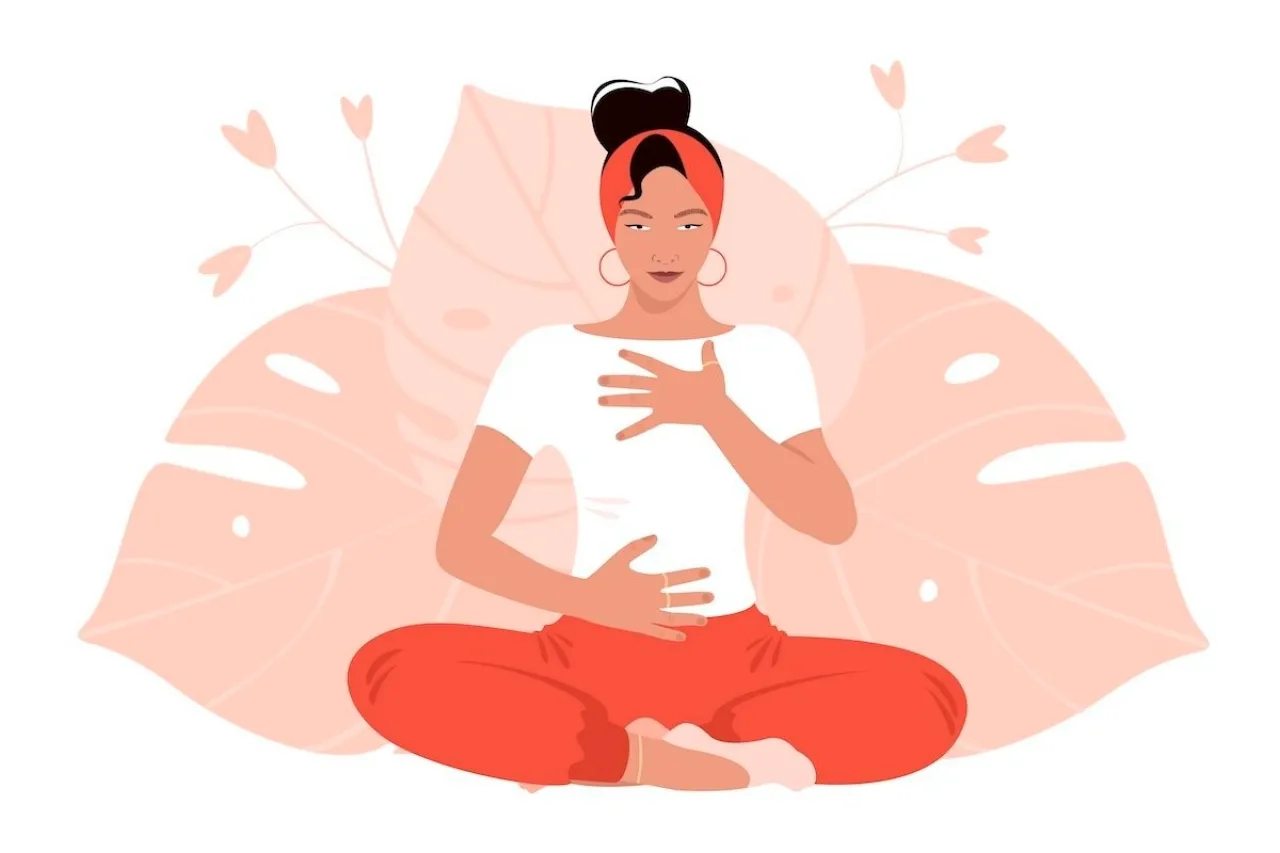
One of the most effective relaxation techniques is mindful breathing exercises, a simple technique that can be practiced anywhere, as slow and deep breathing helps calm the nervous system and reduce stress.
1. How to practice mindful breathing
• Sit in a comfortable place and close your eyes.
• Take a deep breath through your nose for 4 seconds.
• Hold your breath for two seconds.
• Exhale slowly through your mouth for 6 seconds.
• Repeat the process for at least five minutes.
2. Benefits of mindful breathing
• Calming the mind and removing anxiety.
• Lowering blood pressure and improving heartbeats.
• Increasing oxygen flow to the brain.
• Enhancing concentration and positive energy.
3. Famous breathing techniques
• 4-7-8 technique: Known for quickly improving sleep.
• Box Breathing: Used by athletes and soldiers to increase focus under pressure.
Fourth: Progressive Muscle Relaxation Exercises
• One of the most common relaxation exercises is the "Progressive Muscle Relaxation" method developed by American doctor Edmund Jacobson.
• It involves tensing each muscle group in the body for a few seconds and then gradually relaxing them.
1. Steps of the exercise
• Start with the feet: Tense the foot muscles strongly, then relax them slowly.
• Move to the legs and thighs, then the arms and neck.
• Notice the difference between tension and relaxation in each area.
2. Benefits
• Relieving muscle spasms caused by anxiety.
• Calming the entire body before sleep.
• Increasing bodily and mental awareness.
Fifth: Mental relaxation through technology
In the digital age, new apps and techniques have emerged that contribute to achieving mental relaxation easily,
Among the most prominent are:
1. Meditation and breathing apps: Like Calm and Headspace which provide guided audio sessions.
2. Wearable devices: Measure breathing rates and heart pulses and help adjust the neural rhythm.
3. Calm sounds (Sound Therapy): Like sounds of rain or ocean waves, used to stimulate mental relaxation.
Sixth: Combining different relaxation techniques
For best results, it's preferable to combine more than one technique, such as practicing meditation with mindful breathing or using progressive muscle relaxation with calm music, as well as allocating 10 to 15 minutes daily to practice these exercises, which can make a significant difference in overall calmness and concentration.
Seventh: Tips to enhance mental comfort in daily life
• Set aside time for mental rest every day.
• Avoid excessive phone use before bedtime
• Engage in light exercise like walking or yoga.
• Ensure you get enough sleep.
• Eat healthy food that helps stabilize mood.
Whether you choose meditation, mindful breathing, or muscle relaxation exercises, the goal is the same: to restore balance between the body and mind. Adopting modern relaxation techniques does not require much effort, but it has a profound impact on mental and physical health, and with regular practice, you will notice reduced stress and increased feelings of calmness and mental clarity.