Khaberni - With the arrival of winter and the increase in flu infections in the kingdom, warnings are rising about the spread of seasonal respiratory viruses that may evolve through new mutations, necessitating annual vaccine updates to keep pace with the most common strains.
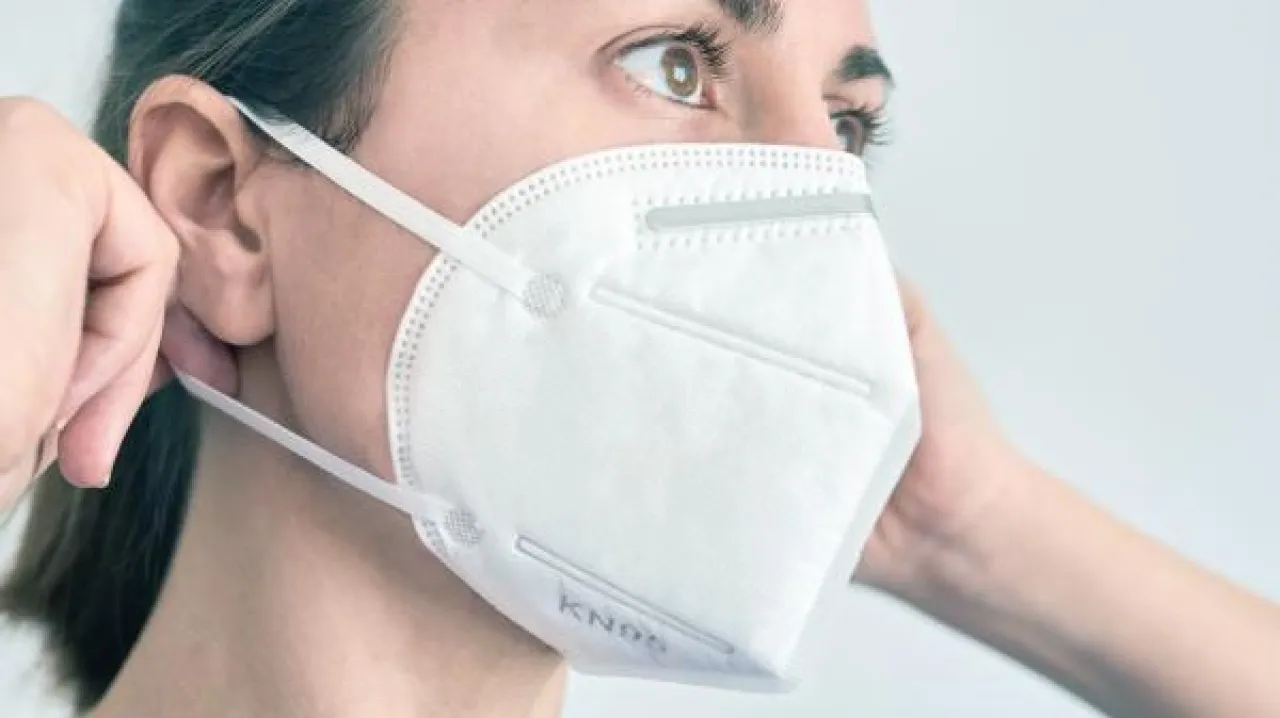
Although the coronavirus infection rates have decreased significantly compared to the pandemic years, experts emphasize that prevention remains the best way to safely get through the season, by committing to wearing masks in enclosed and crowded spaces, and promoting a culture of community responsibility to protect the most vulnerable groups such as the elderly, children, and those with chronic diseases.
Influenza Vaccine Update
From here, Dr. Adel Balbisi, head of the National Center for Epidemic and Communicable Disease Control, stated that the influenza virus is characterized by having two main proteins on its outer wall; the first known as "Hemagglutinin" (H) and the second as "Neuraminidase" (N). He explained that there are 16 types of the first protein and 9 types of the second, allowing multiple combinations like H1N1 or H3N2 and others.
Balbisi pointed out that the World Health Organization annually monitors these combinations to determine the most prevalent strains and then directs pharmaceutical companies to produce suitable vaccines accordingly.
He explained that the current vaccine includes strains such as H1N1 and H3N2, which explains the need to update the vaccine every year to keep up with new mutations.
He added, the health situation today is fundamentally different from the pandemic years, with positive COVID-19 test rates in 2021 reaching
35%, while currently not exceeding 2%, a major difference reflecting improved indicators.
Regarding preventive measures, Balbisi stressed that wearing masks should be seen as part of a lifestyle, not as an exceptional measure, considering that this culture reflects a civilized awareness aimed at protecting others, especially the most vulnerable groups such as the elderly, children, and those with chronic diseases.
He clarified that wearing masks in crowded or enclosed spaces enhances prevention and reduces the transmission of infection, noting that this practice is common in East Asian countries even outside of pandemic seasons.
He affirmed that enhancing the public's confidence in preventive measures requires embedding them as a natural daily behavior, free from embarrassment or hesitation, to become part of the general health culture.
Promoting Mask Culture
On his part, Dr. Yazan Khair, a consultant in respiratory and internal medicine, said that the autumn and winter seasons are a natural season for the spread of what is known as winter viruses, a group that includes influenza types A and B, parainfluenza, respiratory syncytial virus, as well as avian, and swine flu, and coronavirus.
Khair explained that these viruses may undergo seasonal mutations or changes that make them more capable of spreading in some years while being milder in other seasons.
He pointed out that the current variant of coronavirus resembles previous variants like "Omicron," which is fast-spreading but causes limited harm, typically causing a fever that lasts between 5 to 7 days accompanied by cough, after which the symptoms gradually disappear.
He added that the spread rates this year are lower than last year, due to the increased level of community awareness and many citizens receiving the flu vaccine, which reduces the severity of the illness upon infection.
He emphasized the need to limit the random use of antibiotics, explaining that influenza requires only rest, fever reducers, and plenty of fluids, and that any fever that lasts over 7 days or is accompanied by severe coughing, breathing difficulties, or a change in sputum color necessitates consulting a doctor to determine the need for antibiotics.
He confirmed that excessive use of antibiotics without medical advice leads to serious bacterial resistance, potentially making these drugs ineffective in the future, forcing the patient to receive strong IV antibiotics, causing significant health problems.
He noted that prolonged coughing could be an indicator of allergies in the upper or lower respiratory system, whether in the nose and sinuses or the airways and lungs, and it may appear in any season, which necessitates consulting a doctor to determine the cause.
In the same context, he called for promoting "mask culture" as a civilized behavior that reflects an individual's awareness and care for protecting others, especially those most vulnerable to flu infection such as children, elderly, pregnant women, and chronic disease patients like those with heart, pressure, diabetes, and kidney diseases.
He stressed that those suffering from chronic respiratory diseases, allergies, asthma, and pulmonary fibrosis, as well as cancer patients undergoing chemotherapy or radiation therapy, are among the immunologically weaker groups, and thus wearing a mask for them is a necessary preventive measure.
Adhering to Health Guidelines
In turn, Dr. Hazem Qaralleh, spokesman for the Medical Association and a member of the association's board, confirmed that the decrease in temperature at the start of winter increases the likelihood of spreading seasonal viruses of various types, which requires a serious commitment to general preventive measures.
Qaralleh emphasized that wearing masks in enclosed and crowded spaces is one of the primary methods of protection, along with the importance of infected individuals staying at home to prevent transmitting the infection to others.
He added, prevention is not just an individual responsibility, but a collective duty that contributes to enhancing public safety.
He affirmed that adhering to health guidelines and awareness of the importance of preventive measures represent the best way to safely navigate the winter season, emphasizing that community cooperation is the real guarantee for reducing health risks and protecting vulnerable groups from potential complications.