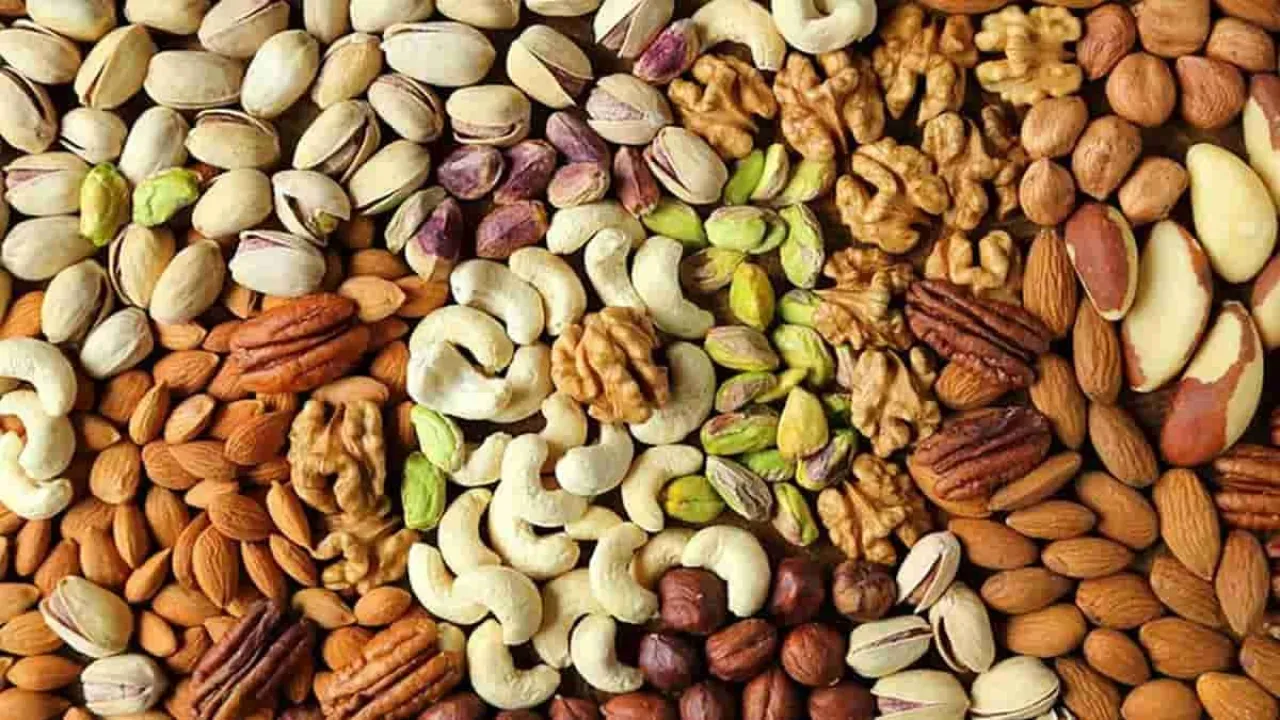
Khaberni - Nuts, whether raw or roasted, are a healthy and easy-to-prepare snack that provide fiber, fats, proteins, and essential minerals for the body, but their benefits vary depending on their nature and how they are consumed.
The health news website "Verywell Health" has highlighted some differences between roasted and raw nuts, and the benefits of each.
Roasted Nuts
Roasted nuts are characterized by a longer shelf life, fewer bacteria, but also a potential reduction in fiber and fat content due to roasting.
Roasting, whether with oil or without, gives nuts a tasty and crunchy texture and flavor.
Roasting helps preserve the nutrients of pistachios, almonds, walnuts, and hazelnuts for a longer period after harvest.
Roasting also reduces the water content in nuts, decreasing the likelihood of spoilage or taste alteration.
High temperatures kill foodborne and disease-causing bacteria such as salmonella.
The Downsides
Despite their delicious taste and many benefits, roasted nuts also have downsides, including the potential formation of carcinogenic compounds such as acrylamide during the roasting process.
One study showed that raw almonds contain 14.7 percent more fiber than roasted almonds.
On the other hand, high heat during nut roasting can damage healthy fatty acids and produce byproducts that may increase the risk of cancer, diabetes, and allergies.
Raw Nuts
While roasted nuts are known for their flavor and texture, raw nuts offer additional benefits, including providing the body with antioxidants that protect against free radicals, along with significant amounts of protein.
Drawbacks of Raw Nuts
Raw nuts have a higher risk of bacterial contamination compared to roasted nuts.
The General Benefits of Nuts
Nuts are known for their numerous health benefits, especially when included in a healthy and balanced diet. Nuts provide:
Vitamins A, B6, and B3
Minerals: magnesium, potassium, and copper
Dietary fibers
Healthy fats
Compounds and antioxidants
Several studies have proven that these components contribute to:
Reducing the risk of heart disease and cancer
Decreasing the likelihood of strokes
Improving blood sugar levels
Managing healthy weight