Khaberni - The annual report results of the National Water Quality Monitoring Project in Jordan, prepared by the Ministry of Environment, in collaboration with the Royal Scientific Society, revealed that the reclaimed industrial wastewater does not comply with the standards for irrigation of field crops and fruit trees, and discharge into floods and valleys, and water bodies, due to increased rates of concentrations of some compounds and elements, and characteristics beyond the allowable limit in the local specification.
The report, which was obtained by "Al Ghad" newspaper, points out that among those concentrations are pH levels, fats, oils and greases (FOG), phenol, chloride, sodium, sulfates, nickel, lead, among others. It indicates the urgent need for recycling and sustainability by enhancing the use of new methods for improving the efficiency of industrial wastewater treatment, especially in large industrial areas, to reduce freshwater consumption and ensure its sustainability.
Moreover, according to the report, it is necessary to develop national health safety plans for the water and sewage sector in cooperation with ministries and concerned authorities. These plans should be based on proper risk management in the sectors of groundwater and crude surface water, and in the sectors of domestic and industrial wastewater, according to the report obtained by "Al Ghad".
Regarding raw groundwater, the results confirmed compliance of water quality at monitored sites with the standard local specifications for drinking water regarding all physical and chemical properties, except for Al Qanaya and Sara springs in Karak, Wadi Al Seer, and the wells of Al Ruwaished and Al Muwaqqar, among other sites.
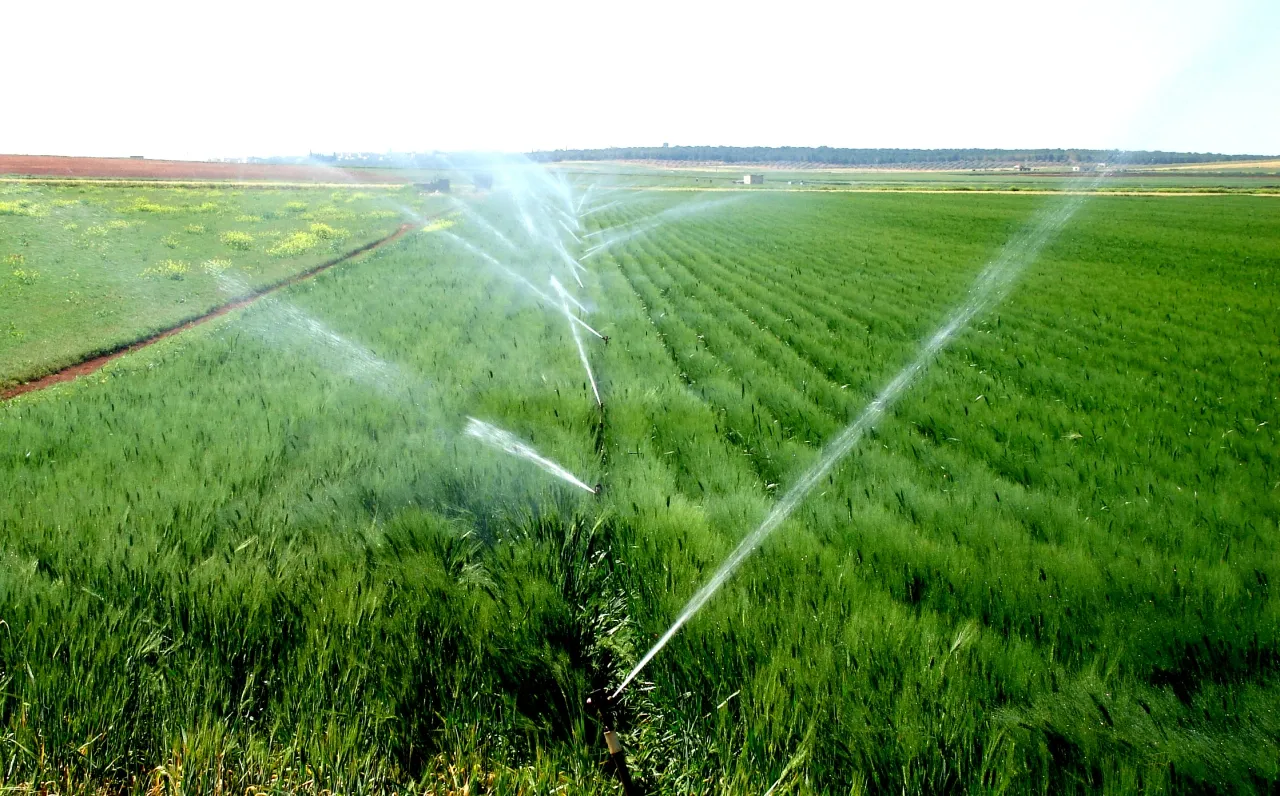
Annual rates of bacteriological analysis results indicate that the dam waters are suitable for absolute agriculture, which includes fruit trees, field and industrial crops, roadside areas inside and outside cities, irrigation of raw and cooked vegetables, parks, and public gardens, and green areas.
The report calls for swift and appropriate corrective measures against factories and companies that have recorded repeated excesses in tested property concentrations, which do not comply with the Jordanian standard specifications for reclaimed industrial wastewater regarding the final use of treated water. It requires exploring the possibility of implementing projects to assess and improve conditions of these facilities regarding the mentioned excesses, and proposing innovative and advanced solutions.
Furthermore, the report emphasizes the importance of enhancing the efficiency of sewage treatment plants that showed excesses in tested property concentrations in 2023, and did not comply with the mentioned Jordanian specifications. Instead, it suggests finding suitable alternative solutions, like establishing new (centralized and decentralized) treatment plants, to reduce the pressure and decrease organic and hydraulic loads on existing plants that have exceeded their design capacity to accommodate incoming flows.
The recommendations affirm the importance of considering the quality of dam waters and monitored torrents and valleys, with the application of irrigation water guidelines, especially bacterial reduction barriers (such as treatment stations, water storage in dams, irrigation ponds, using sand filters, and drip irrigation). It also suggests expanding the monitoring program to include water sources in the kingdom, and increasing the frequency of sampling and necessary testing according to Jordanian standard specifications.
Other suggestions include studying the application of a comprehensive project to assess the impact of excess properties tested at sites covered by the monitoring plan on the environment and humans, and the possibility of reducing these concentrations, promoting research and scientific studies supporting and funding applied studies related to water and sewage treatment, to develop new technologies, enhance treatment efficiency, and reduce pollutants resulting from industrial and agricultural activities.
These plans must be applied to the inputs and outputs of agricultural production, clarifying the role of all concerned entities, whether operational or regulatory, identifying and managing risks, and taking measures to mitigate their negative effects. Also, contributing to the sustainable development of water resources by determining safe pumping rates from water layers, conducting sensitivity studies of groundwater using approved hydrogeological models, especially in areas where reclaimed wastewater is recharged.
It confirmed the involvement of the local community in cooperation with decision-makers in local water governance, to maximize the benefits reaped by citizens without harming the local environment in the long term, and the application of a protection system that aims to protect water resources and reduce losses.
The recommendations focused on taking into account emerging pollutants such as pharmaceutical residues, and insecticides in reclaimed wastewater, which is extremely important, especially in the pharmaceutical industries sector.