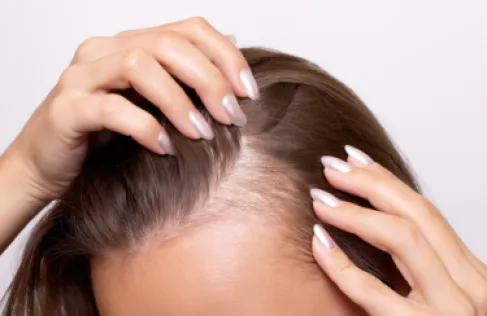
Khaberni - Psychiatric consultant Dr. Walid Sarhan warns against ignoring cases of hair-pulling obsession (Trichotillomania), pointing out that it is a behavioral psychological disorder characterized by a compelling and recurrent urge to pull out hair from the scalp, eyebrows, or eyelashes, which leads to noticeable hair loss and a feeling of psychological distress. Sarhan explained that this disorder is considered a form of obsessive-compulsive disorder and requires specialized psychological and behavioral treatment, and is not merely a habit that can be overcome by willpower.
Following is an article by Dr. Walid Sarhan:
Hair-pulling obsession (Trichotillomania) is a behavioral psychological disorder characterized by a compelling and recurrent urge to pull out hair from the scalp, eyebrows, eyelashes, or other areas, leading to noticeable hair loss and distress or difficulty in daily performance. It is classified among obsessive-compulsive and related disorders.
Common symptoms:
- Recurrent pulling of the hair with unsuccessful attempts to reduce or stop it.
- Appearance of bald patches or areas with sparse hair, which might be concealed with hats or makeup.
- Feelings of tension before pulling and temporary relief/satisfaction afterward.
- Rituals related to hair (looking for a “specific” hair, rubbing it, chewing it, or swallowing it in some cases).
- Prolonged engagement and time spent in pulling or thinking about it, and feelings of shame or guilt and avoidance of social situations.
When does it begin and who does it affect?
- It often begins in late childhood or early adolescence and might continue intermittently.
- More common in females, but it affects everyone.
- It is not a sign of weak willpower or just a “bad habit,” but a medical psychological condition treatable.
Causes and factors:
- Genetic and neurological interplay (habit and reward circuits).
- Psychological stress, anxiety, boredom, fatigue, or sensory triggers (texture of a particular hair).
- Pulling might occur “automatically” unconsciously during studying or watching, or “focused” during stress.
Possible complications:
- Skin irritation, infections, scarring, or slow hair growth.
- If hair swallowing occurs (trichophagia), hairballs may form in the stomach (trichobezoars) causing abdominal pain or vomiting or blockage, requiring urgent medical assessment.
Diagnosis:
- Performed by a psychiatrist/specialist based on symptoms and excluding dermatological causes like alopecia areata. A dermatologist might collaborate with the psychiatrist.
Effective treatment:
- Habit reversal training (part of cognitive behavioral therapy):
- Increasing awareness of pulling moments and their triggers.
- Competing response (an alternative movement that prevents pulling such as clenching a fist or squeezing a rubber ball).
- Managing triggers/environment (removing tweezers, wearing a hat/gloves during risky times).
- Other behavioral treatments: Cognitive therapy, acceptance and commitment, mindfulness.
- Medications: The evidence varies. Some cases may benefit:
- If needed for accompanying anxiety/depression (such as SSRIs).
- Supplement N-acetylcysteine has shown benefit under medical supervision.
- Other medications are researched for selected cases. The decision is always with the doctor.
- Combining behavioral therapy with family/school support yields better results, especially in adolescents.
Self-help strategies:
- Tracking triggers and high-risk times with a simple diary.
- Preparing hand alternatives: stress ball, fidget ring, beads, knitting.
- Trimming nails, covering exposed areas (hat, headband, cautiously artificial lashes/eyebrows), putting temporary barriers on fingers.
- Reducing “pulling tools” at hand, changing routine during relapses.
- Practicing calming techniques: deep breathing, short meditation, the “surfing the urge” exercise for 10 minutes.
- Seeking support from a trusted person or specialized support groups for body-focused behaviors.
When to seek professional help?
- If pulling causes noticeable bald patches, or difficulty in stopping, or psychological distress, or affects study/work/relationships.
- When signs of skin inflammation or digestive symptoms appear in those who swallow hair.
Important reminder: Hair-pulling obsession is a more common condition than expected and is treatable. Seeking help is a brave step, and with appropriate treatment, significant improvement and reduced relapses can be achieved. If you wish, I can assist you with a simple plan to track triggers and choose suitable alternatives for your daily routine.