Khaberni - The European political arena is witnessing a noticeable transformation with the rise of nationalist and pro-Moscow parties to the leadership of parliaments in 4 European countries since the beginning of the Russian war on Ukraine, a trend that raises concerns within the European Union.
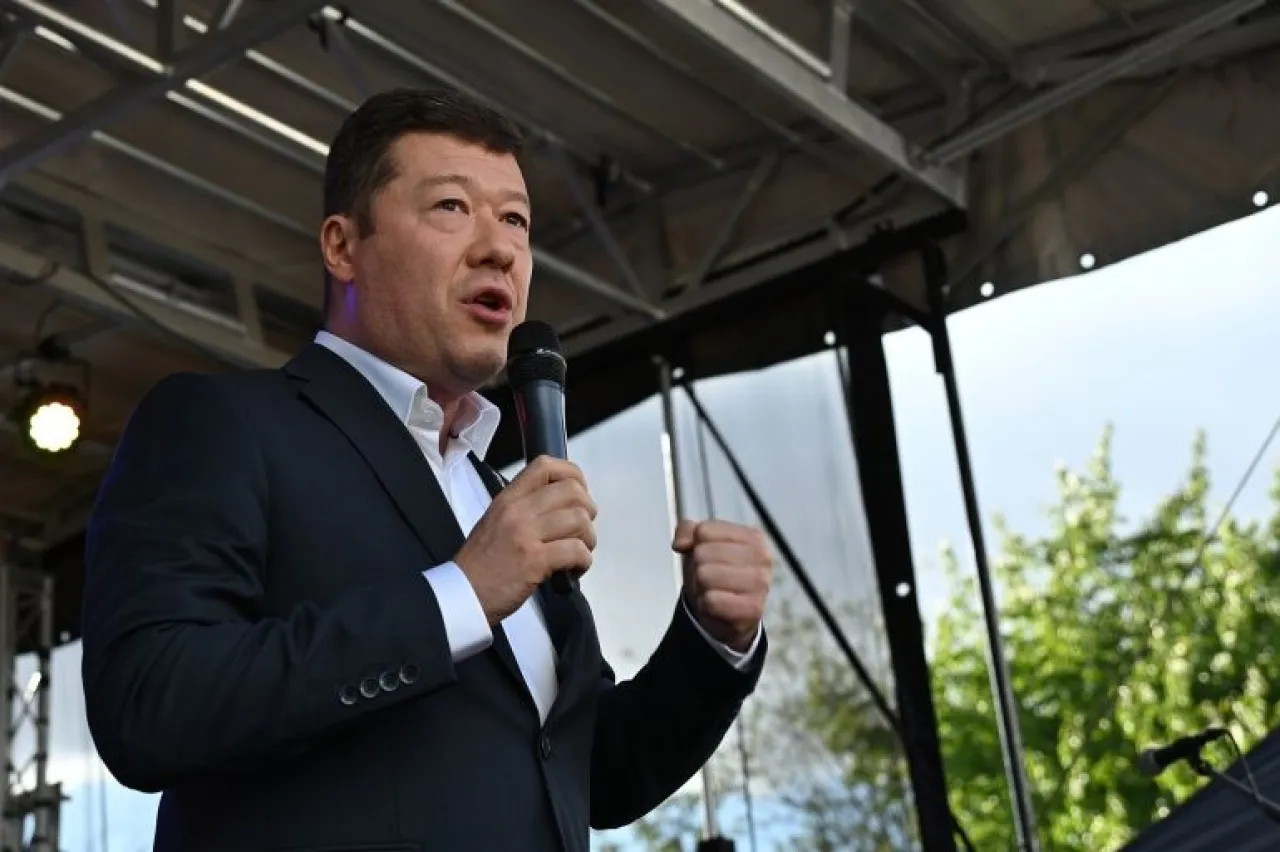
The latest of these cases emerged in the Czech Republic, where last Wednesday the parliament elected the leader of the far-right Freedom and Direct Democracy Party, Tomio Okamura, as its president.
Just one day after his victory, Okamura ordered the removal of the Ukrainian flag that had been raised on the parliament building in solidarity with Kyiv, a move that sparked controversy both within the country and abroad.
This development follows the election of nationalist or hard-right figures to the presidency of the parliaments in Italy (2022), Austria (2024), and Slovakia (2025), alongside Hungary, which has been dominated by nationalist Prime Minister Viktor Orban since 2010.
Although these parties do not possess an absolute majority in their parliaments, they have managed to reach the presidency through circumstantial alliances with other political forces, allowing them to enhance their presence in decision-making centers.
The Impact of Orban and the Return of Trump
Researcher Katherine Fishy from the Robert Schuman Centre, affiliated with the European University Institute in Florence, believes that the Hungarian Prime Minister "paved the way" for this pathway, as he demonstrated that countries can remain within the European Union without fully adhering to its treaties.
Fishy noted that the acceleration of this phenomenon in Central Europe is not coincidental, but rather fueled by a "new political dynamic" buoyed by the re-election of Donald Trump in the United States.
She added that "Trump's personality is not off-putting in this region, where a different political culture prevails, and a complex relationship with Russia exists."
Fishy believes that the geographical proximity to Russia and the shared communist past make these countries more cautious about escalating tensions with the Kremlin compared to Western European nations.
She also pointed out that these countries heavily depend on European Union funds and fear that the union's expansion—especially with the joining of countries like Albania or Ukraine—might lead to a division of financial resources at their expense.
A New Challenge for the European Union
Analysts believe that the rise of these parties to the presidencies of parliaments represents a strategic transformation that grants them institutional status after years of marginalization. In Slovakia, the party Hlas won the presidency of the parliament with the support of nationalist Prime Minister Robert Fico and the far-right "SNS" party, leading to its exclusion from the bloc of European Social Democrats because of its positions on the war in Ukraine, immigration, and the rule of law.
In Austria, Walter Rosenkranz from the far-right Freedom Party holds the presidency of the parliament with support from other parties, yet he uses his position to highlight his nationalist views.
Researcher Cyril Brett from the Jacques Delors Institute says that these parties taking high parliamentary positions grant them oversight tools over governments "without bearing the responsibility of governance," adding that these positions provide them with a platform to strengthen their political presence and gain legitimacy.
Observers believe that the increasing influence of nationalist parties in European legislative institutions could pose a growing challenge to the unity of the European Union, especially regarding its stance on the war in Ukraine and sanctions on Russia.
While EU leaders insist on continuing to support Kyiv, these new political forces show a tendency to undermine European consensus and push for more cautious policies towards Moscow.