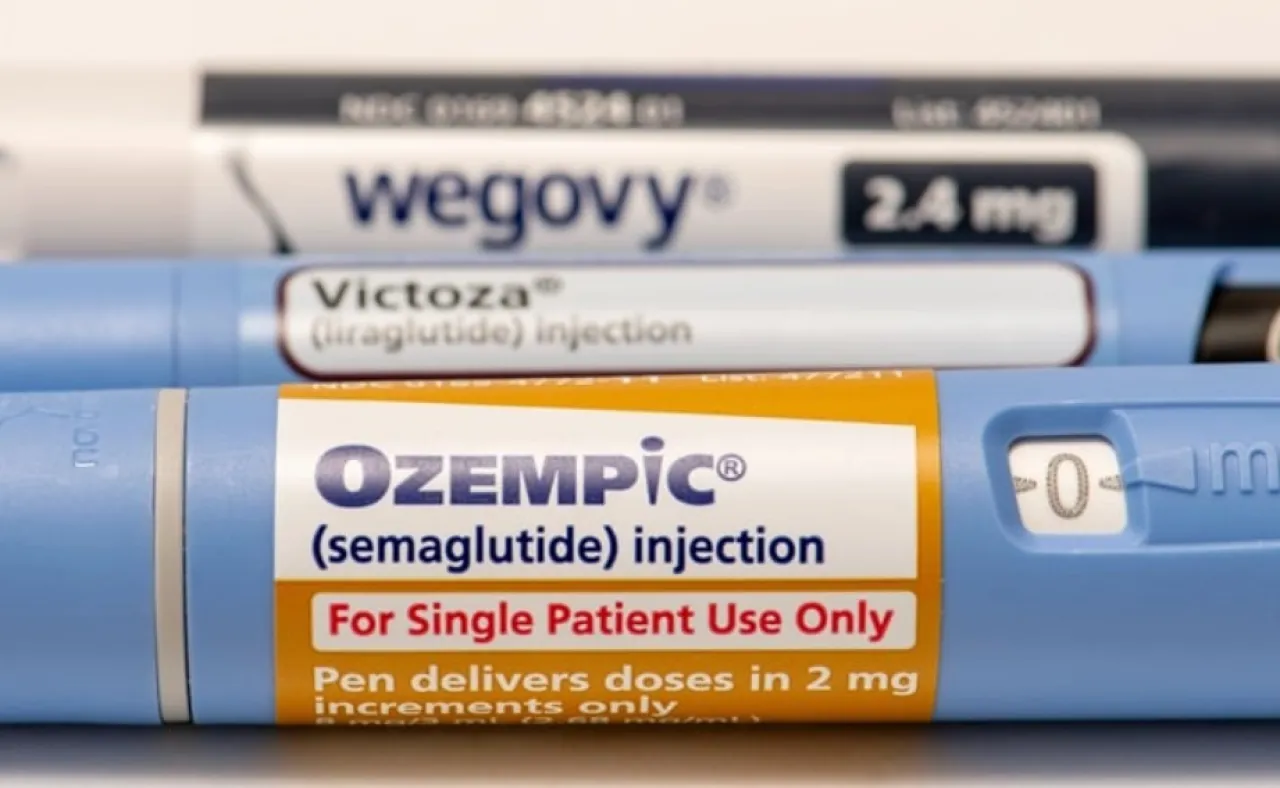
Khaberni - Slimming injections such as Ozempic, Wegovy, and Mounjaro are prescribed to lower blood sugar levels in type 2 diabetes patients, and are also prescribed for weight loss in those who are significantly overweight. Despite their great success, their side effects include digestive problems, ranging from nausea to intestinal paralysis.
Since they cause bothersome side effects and increase the risk of diseases in the digestive system, is it safe for those who have some of these problems to take these medications? And how?
How Slimming Medications Work
According to "Healthline", these medications work by mimicking the effects of the GLP-1 hormone, which is produced in the small intestine.
Like the natural hormone produced by the body, slimming medications slow down digestion (stomach emptying) and send a signal to the brain that makes you feel full and stop eating.
They also stimulate the secretion of insulin from the pancreas and inhibit the secretion of glucagon, a hormone that raises blood sugar levels.
Side Effects
The side effects of these medications include: vomiting, nausea, diarrhea, constipation, bloating, heartburn, and dehydration, especially in patients with kidney failure. More serious side effects may include: pancreatitis.
A wide-scale study conducted in 2023, which included people who are not diabetic and were using these medications for weight loss, found that this class of medications may increase the risk of digestive system diseases, such as gastric paralysis.
The researchers found that these medications did not increase the risk of biliary tract diseases (gallbladder or biliary duct diseases) among the participants.
It is believed that these side effects are rare, but people who want to use weight loss medications should take them into consideration.
Irritable Bowel Syndrome
Another study on individuals with irritable bowel syndrome found that these medications reduced the pain of irritable bowel syndrome during attacks, but higher doses made the nausea more apparent.
A recent wide-scale study showed that those treated with Ozempic are no more likely to be at risk of diverticulitis, which is an outgrowth that grows on the colon and causes pain.
Prevention Methods
To deal with digestive problems and side effects while taking a GLP-1 stimulant, follow these tips:
• Follow the dosage instructions exactly as prescribed.
• Gradually increase your fiber intake, according to the recommendations of a healthcare professional.
• Consider taking fiber supplements in case of constipation.
• Drink plenty of water.
• Eat small, frequent meals instead of large ones.
• Avoid eating immediately before going to bed.
• Avoid spicy or greasy foods.
• Regularly exercise and walk.