Khaberni - Researchers have revealed a chemical commonly used in dry cleaning and household products that could cause severe liver damage and possibly be fatal.
The recent study conducted by the Keck School of Medicine at the University of Southern California found that tetrachloroethylene (PCE), used in dry cleaning and found in products such as hand adhesives, stain removers, and stainless steel polish, poses a potential risk to liver health. (Dry cleaning involves cleaning clothes and fabrics without using water, using special chemical solvents to remove stains and dirt from clothes).
The study used data from the National Health and Nutrition Examination Survey (NHANES) between 2017 and 2020, identified liver fibrosis using an ultrasound test to measure liver stiffness, and considered other factors such as alcohol consumption and obesity-related fatty liver disease, to confirm the relationship between PCE and liver scarring.
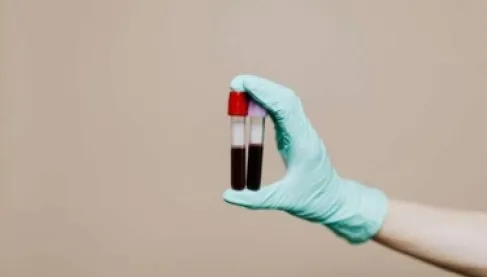
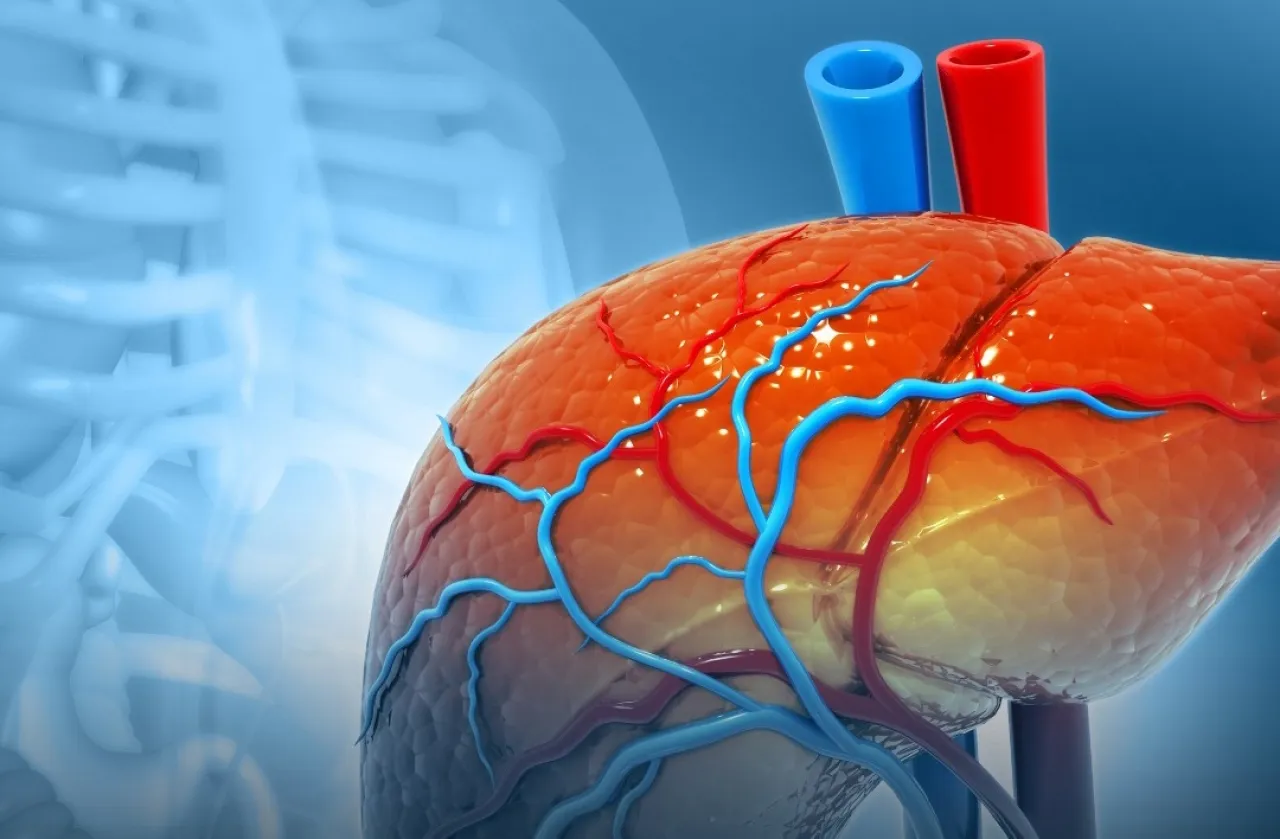
The results showed that about 7% of the American adults included in the study had notable levels of this chemical in their blood. Exposure to it, whether by inhaling vapors in workplaces or through freshly cleaned clothes, can lead to liver fibrosis, which may progress to liver cancer, liver failure, or death.
The study highlighted two main pathways of exposure:
1- Working in dry cleaning: where workers inhale PCE-contaminated air throughout the day, leading to chronic and high exposure.
2- Clients and home settings: where traces of PCE can remain on cleaned clothes or in plastic covers for days, releasing toxins into the air inside homes, cars, or closets.
Researchers found that the risk of developing liver disease increases with the level of exposure: the higher the levels of PCE in the body, the more likely significant liver scarring occurs.
Dr. Brian P. Lee, a liver transplant specialist and the lead investigator of the study, said: "Patients may wonder: How could I get liver disease if I don’t drink alcohol and don’t have any chronic illnesses? The answer could be exposure to PCE."
Lee added that the study reveals the important role of environmental factors in liver health, explaining that exposure to PCE could be the reason why some people develop liver diseases while others within the same health and demographic makeup do not. He also mentioned that people with higher incomes tend to be exposed more, due to their frequent use of dry cleaning services, while workers in these facilities face direct exposure risks for extended periods.
The researchers informed that PCE is an invisible or odorless substance, typically entering the body mostly through inhalation, and it can also leach into drinking water or be absorbed through the skin when using certain consumer products containing it.
Lee confirmed that the research represents an important step in understanding the relationship between PCE exposure and liver fibrosis, hoping that the results will help doctors and people to detect the disease early and improve treatment options for patients.
The study's results were published in the journal Liver International.