Khaberni - The Rapid Support Forces, today, Friday, shelled southern and northern Kordofan after hours of drone attacks on Atbara and Omdurman, despite its announcement of agreeing to a temporary humanitarian truce, while UN experts accused it of committing atrocities against civilians in Al Fasher in North Darfur, western Sudan.
A military source told Al Jazeera that the Rapid Support Forces and the Popular Movement North shelled the city of Deleng in southern Kordofan.
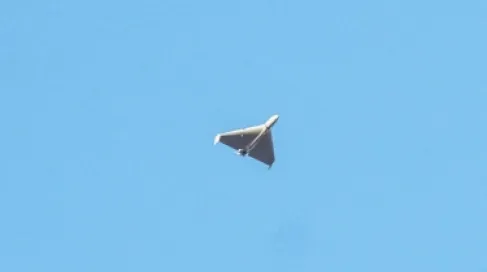
The source added that a drone of the Rapid Support bombed several locations in Al Obeid in northern Kordofan.
This bombing comes after reports in recent days of the Rapid Support Forces beginning to mobilize forces to attack areas in Kordofan following their control over the city of Al Fasher, the capital of North Darfur State (west).
In this context, the UN Commissioner for Human Rights, Volker Turk, warned today of clear signs of preparations to intensify fighting in South Kordofan, southern Sudan.
The Sudanese army controls most of South Kordofan and major cities in North Kordofan such as Al Obeid, and cities in West Kordofan like Babanusa, while the Rapid Support controls cities in North Kordofan such as Bara, El Nahud in West Kordofan, and Dibibat in South Kordofan.
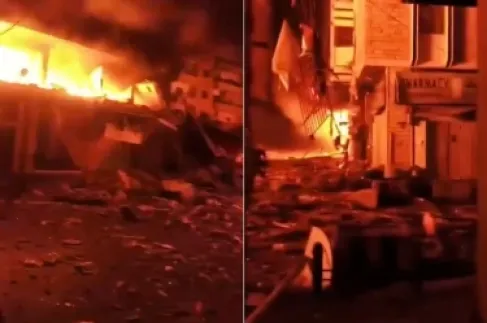
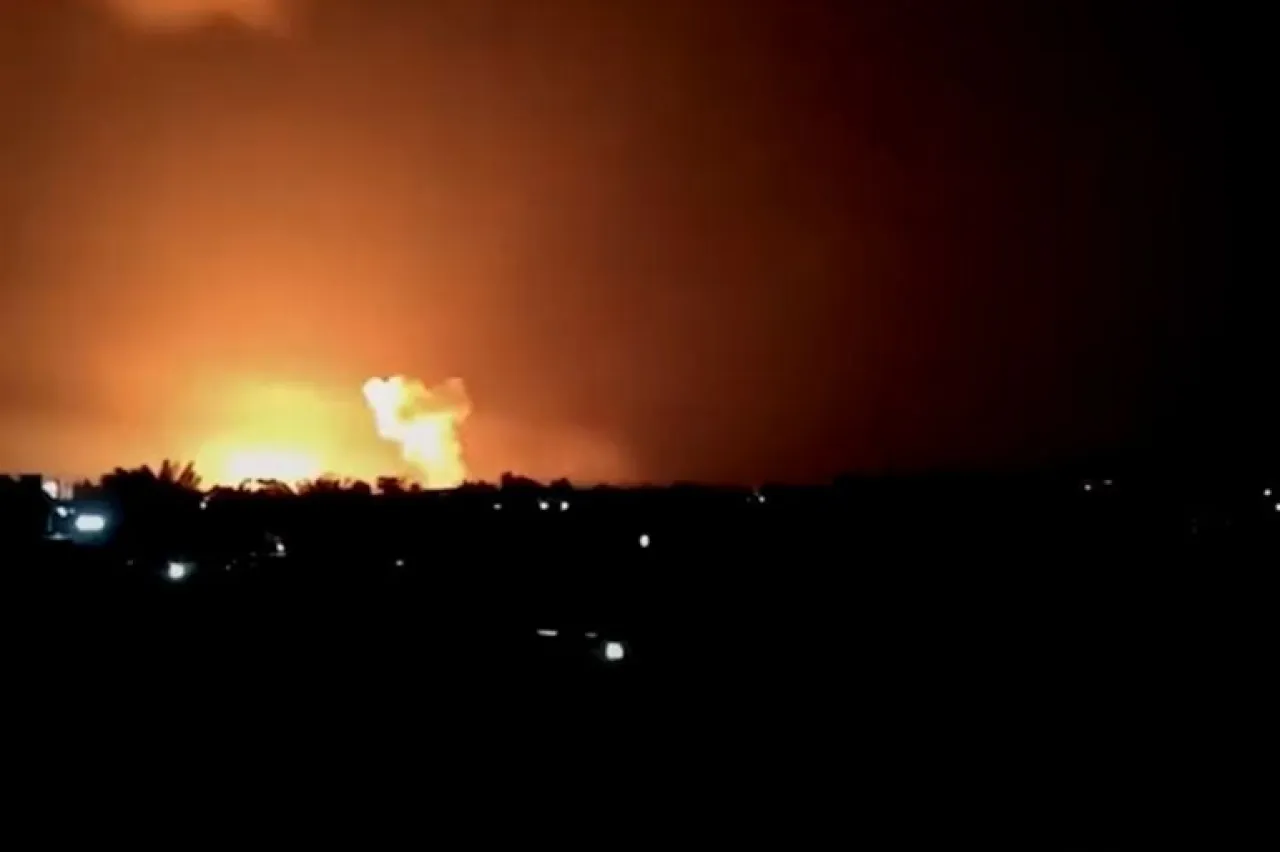
Earlier today, a military source told Al Jazeera that drones belonging to the Rapid Support Forces targeted the city of Atbara in northern Sudan.
The military source also reported that ground air defenses intercepted drones belonging to the Rapid Support in various areas in northern Omdurman, amid loud explosions north of the city resulting from a series of attacks coinciding with the sounds of the air defenses.
Atrocities in Al Fasher
Meanwhile, UN experts today said they are horrified by reports of mass atrocities, unlawful killings, and sexual violence in Al Fasher, Sudan.
The experts accused the Rapid Support Forces of committing mass atrocities and causing a catastrophic humanitarian crisis after recently taking over the city, and confirmed that millions of people are still deprived of adequate protection or assistance, and that Sudan is witnessing one of the worst displacement crises in the world.
The UN experts expressed concern about targeting humanitarian workers, making access to lifesaving care more difficult.
They stated they are horrified by the magnitude and brutality of the reported crimes in Al Fasher, which are characterized by systematic and widespread levels.
Flow of Displaced
On the humanitarian side, the Médecins Sans Frontières office in Sudan announced that attempts to escape from Al Fasher continue as yesterday, Thursday, 300 people arrived in Tawila, North Darfur.
The office—in a statement—confirmed that its medical teams noticed a sharp increase in malnutrition rates among both children and adults inside displacement camps, where residents suffer from severe shortages in water, food, shelter, and other basic services.
The office renewed its call for the Rapid Support Forces to allow civilians safe passage, warning of reports indicating people still stuck or held for ransom around the city of Al Fasher.
Ten days earlier, the Rapid Support Forces took control of the city of Al Fasher after besieging it for about 17 months and face accusations of committing serious crimes, including the killing of hundreds of civilians.
Informed sources from the town of Tiynah on the Chadian-Sudanese border reported the continuous influx of Sudanese refugees fleeing the city of Al Fasher.
Relief organizations operating in the area anticipate the arrival of tens of thousands of refugees days after their escape from the city on foot.
Meanwhile, the Minister of Social Development in Khartoum State, Siddiq Freney, said that more than 10,000 displaced people arrived in Khartoum following the recent attacks by the Rapid Support Forces on areas in North Darfur and North Kordofan.
Freney stated in comments to Al Jazeera that some of the displaced people walked for about 5 days until they reached safe areas, noting that they now urgently need psychological support alongside provisions of food and shelter materials.
Sudan has been witnessing a war between the army and the Rapid Support Forces since April 2023, resulting in the deaths of tens of thousands and the displacement of about 13 million people.