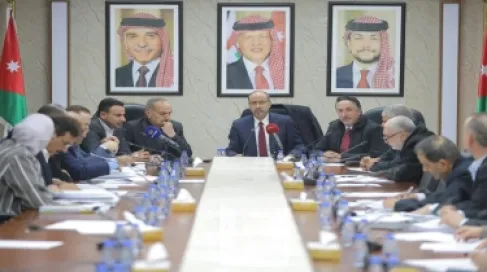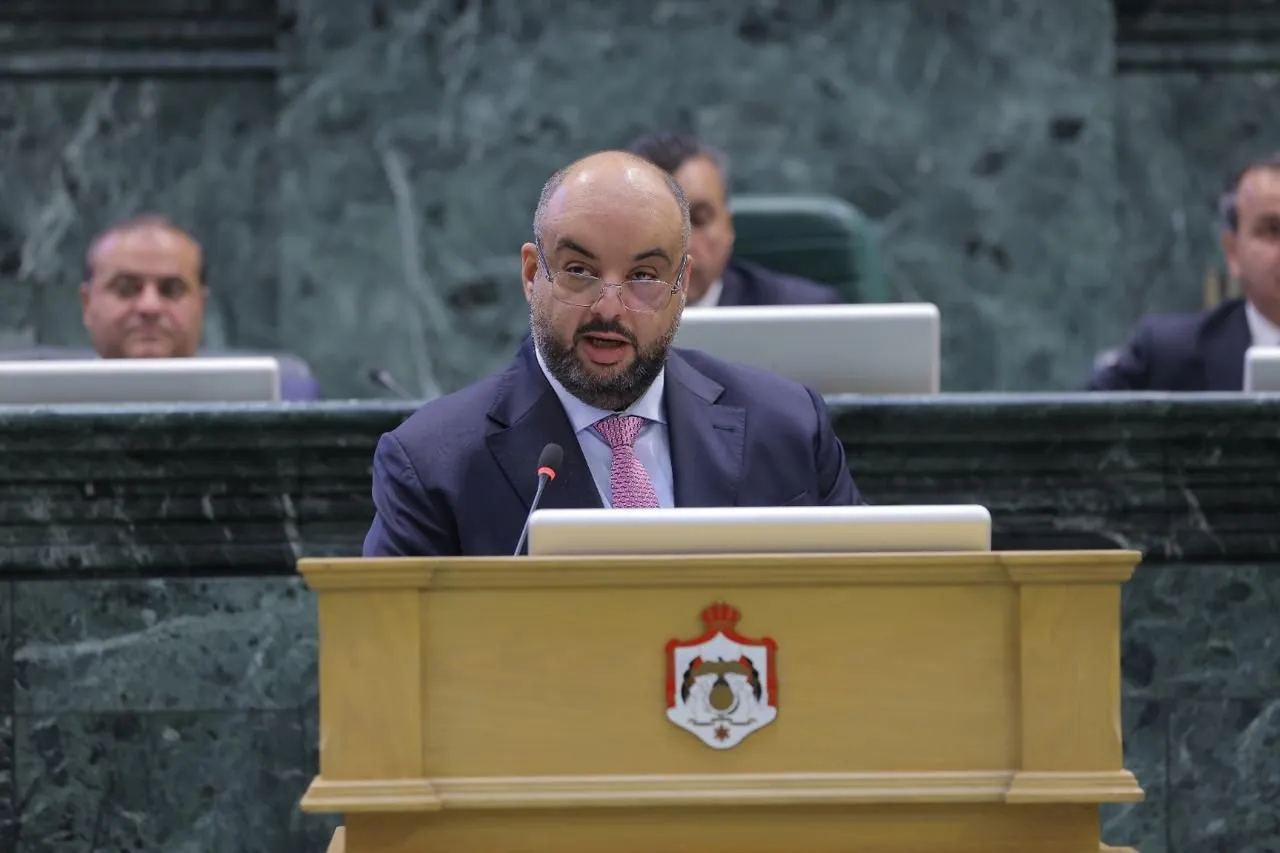
Khaberni - The Council of Ministers has approved the 2026 budget project and referred it to the National Assembly to discuss and approve it, amidst a governmental discourse about an expected growth of 2.9%, a decrease in the deficit to 4.6%, and an increase in capital expenditures to 1.6 billion dinars. These numbers seem positive on the surface, but they raise fundamental questions about the ability of this budget to make a real change in citizens' lives and achieve the economic and social justice we all aspire to.
We reviewed the presentation by the Minister of Finance, Dr. Abdelhakeem Al-Shibli, who spoke about major projects like the national water desalination carrier, railways, and gas exploration, alongside the continuity of support for bread, gas, and cancer insurance. Despite the importance of these items, what was raised does not deviate from the generalities we have heard in previous budgets, without precise executive indicators or an integrated plan to measure the developmental and social impact of these projects.
A careful reading of what was published about the budget shows that local revenues reached 10.196 billion dinars, a slight decrease from the previous year, while current expenditures rose to 11.456 billion dinars. These figures confirm the continuing inflation of operational spending at the expense of developmental spending. The deficit of 2.125 billion dinars is a relative improvement in form, but it does not conceal the fact that the structure of the economy has not changed, and the gap between revenues and expenditures remains unresolved without clear structural solutions.
We are facing a budget that speaks the language of financial sustainability, but it has not yet provided what ensures income sustainability for the citizen or stimulates national investment. What is required is not only to reduce the deficit as a percentage of the GDP but also to redirect resources towards productive sectors that create job opportunities and support industry and agriculture, and reinstill confidence in the national economy.
In the National Assembly, we will exercise our supervisory and legislative role responsibly, and we will discuss the budget items in detail, from a firm conviction that public money is a trust, and every dinar spent must correspond with tangible effects in services, development, and job opportunities. Jordanian citizens do not wait for financial tables from the budget, but tangible results in their daily lives, in education, health, infrastructure, and employment opportunities.
We do not oppose numbers, but we demand that numbers honestly reflect reality. Real financial reform begins with reforming spending priorities, rationalizing unproductive expenditures, and courageously tackling administrative waste. Major projects will not bring transformation unless managed efficiently and linked with clear goals in the economic modernization vision we all believe in.
In conclusion, the 2026 budget should not be a mere repetition of previous years' budgets, but a turning point in the state’s financial thinking. We are at an opportunity to redefine the relationship between the budget and the community, between the state and the citizen, on the basis of transparency and results, not promises and expectations. What is needed today is not just a new budget in numbers, but a new budget in philosophy, making the Jordanian human being the focus and goal of development.