Khaberni - The Integrated Food Security Phase Classification, supported by the United Nations, confirmed an unprecedented famine in the city of Al-Fashir, the capital of North Darfur, and in Kadugli, South Kordofan—both isolated from humanitarian aid, amidst warnings of continually rising death rates.
The report indicated that acute malnutrition rates in Al-Fashir range between 38% and 75%, while it reaches 29% in Kadugli, amid outbreaks of cholera, malaria, and measles, which increase the risk of death among malnourished children.
The report warned that ongoing violence, lack of funding, and the absence of safe corridors for aid will exacerbate the crisis, noting that Twila in addition to Malit and Toweisha, two other destinations for those fleeing from Al-Fashir, are at risk of famine.
The Famine Review Committee also predicted a famine risk outbreak in an additional 20 areas in Greater Darfur and Greater Kordofan and the displacement camps.
In the same context, the International Organization for Migration announced on Wednesday that 81,817 people have been displaced from the city of Al-Fashir and its surroundings since October 26, following the Rapid Support Forces' capture of the city.
It noted that these figures are preliminary and subject to change due to ongoing insecurity and the rapidly evolving dynamics of displacement.
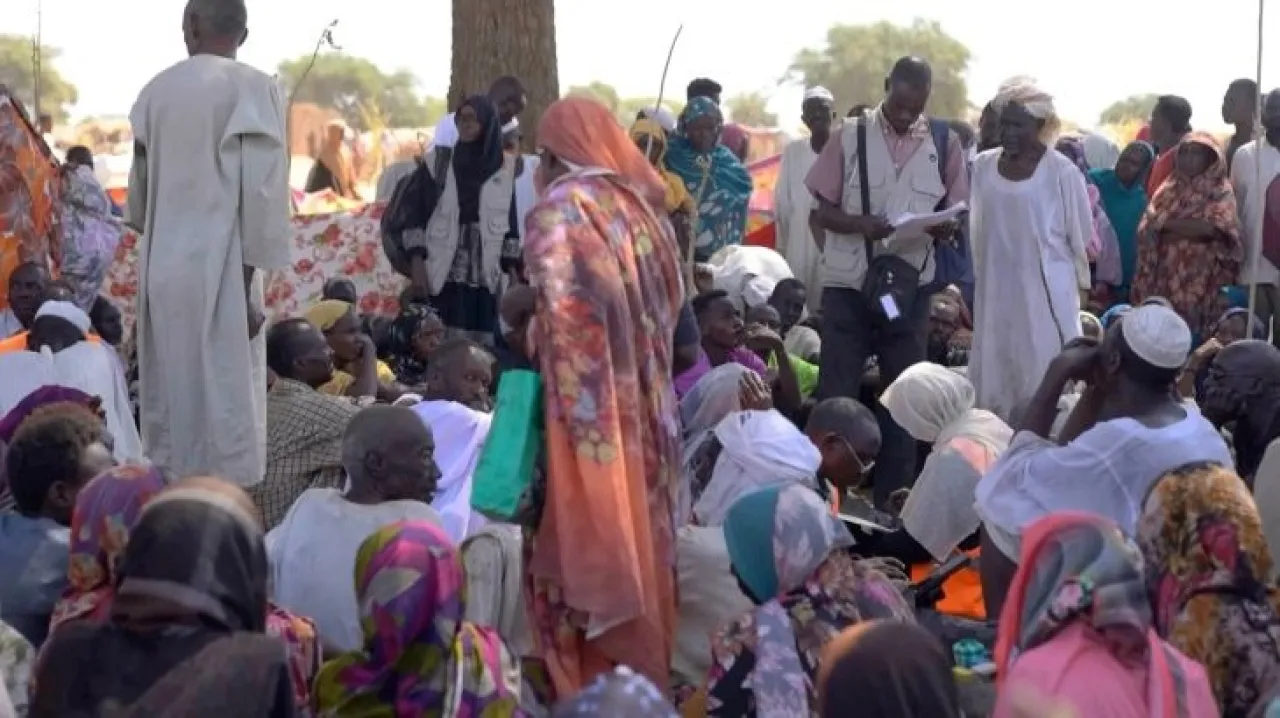
It stated that most of the displaced remain within Al-Fashir locality, while others have headed to areas like Kabkabiya, Malit, Kutum, and Twila, amid insecurity on the roads and difficulties in movement.
Meanwhile, UNICEF stated that families fleeing the violence in Al-Fashir arrive in the city of Twila "exhausted, hungry, and in urgent need of care," affirming that the needs surpass the available resources, despite its efforts to provide food, water, and health care to the children.
In a separate statement, the Sudan Doctors’ Network warned of the deteriorating humanitarian conditions in the displacement camps north of Al-Fashir, indicating that the number of displaced persons exceeded 36,000 in the past days, according to local statistics.
It added that those injured arriving at the Golo camp suffer from severe injuries amid a severe shortage of medicines and treatment supplies, and worsening malnutrition rates among children and pregnant women.
The network explained that overcrowding in the camps forced many displaced persons to sleep outdoors without shelter or protection, exposing them to the risk of infectious diseases, while organizations struggle to provide tents and temporary housing.
It continued that the ongoing influx of displaced from Al-Fashir to the camps in Golo, Korma, and Twila increases the pressure on limited services and multiplies the suffering of the displaced, calling for urgent intervention to expand capacity and provide basic needs.
It also cautioned that repeated looting of relief hinders aid delivery to those who need it, severely aggravating the humanitarian crisis.
Sudan has been experiencing a bloody war since April 2023 between the army and the Rapid Support Forces, resulting in tens of thousands of deaths and about 15 million people displaced, according to United Nations estimates.
Out of the country’s 18 states, the Rapid Support Forces currently control all five states of the Darfur region in the west, except for some northern parts of North Darfur which remain under the army's control, which also dominates most areas of the remaining 13 states in the south, north, east, and center, including the capital, Khartoum.