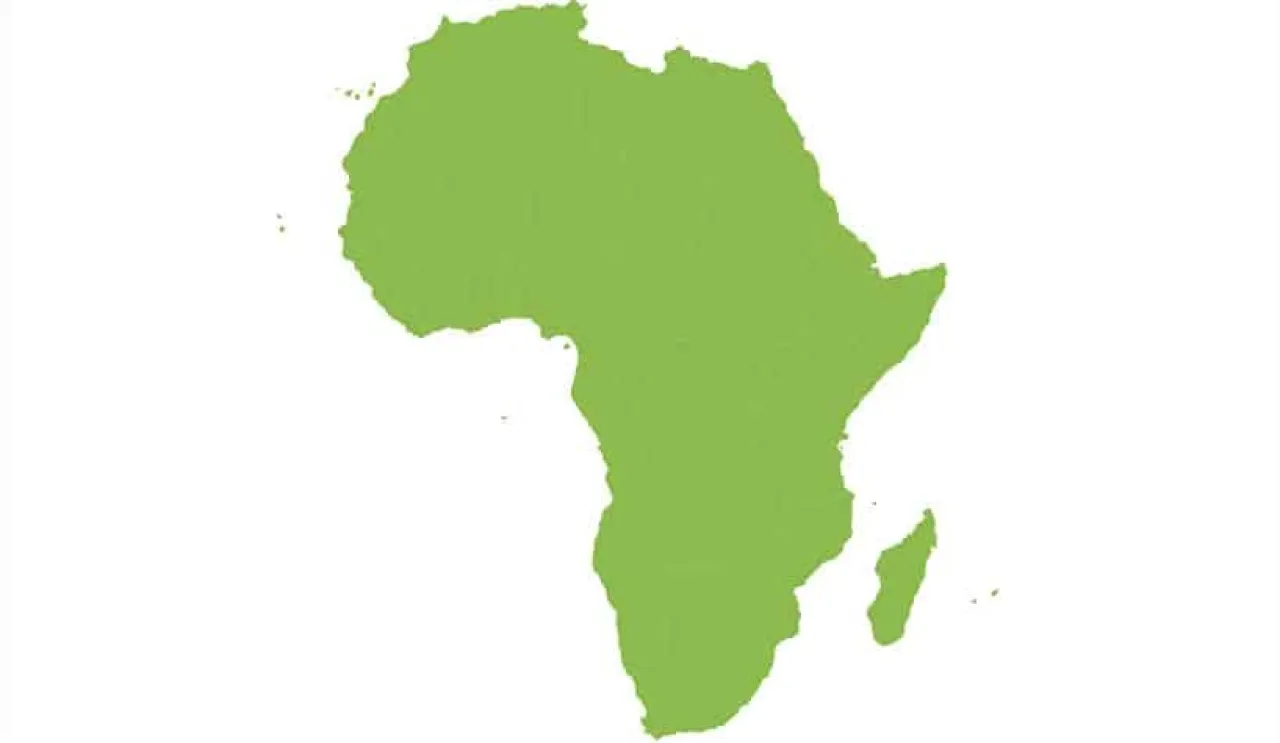
Khaberni - Africa, rich in its resources and young in population, presents a stark developmental paradox; it faces an existential challenge manifested in the devastating effects of climate change, despite its minimal contribution to global emissions.
Prolonged droughts and unprecedented flooding exacerbate the fragility of infrastructure and threaten the livelihoods of billions of people, especially in the poorest countries, placing a heavy burden on governments striving hard to meet basic developmental needs.
The need for "resilience capital": The climate finance crisis
Experts agree that adapting to the impacts of climate change requires a massive infusion of capital that far exceeds the combined capacity of African nations. Estimates indicate that the funding gap remains a major obstacle to green transformation projects and the building of effective early warning systems.
This gap opens the door wide to the importance of strategic partnerships that move beyond the concept of direct relief to long-term developmental investment. There is a pressing need to finance infrastructure projects resistant to climate change, and sustainable solutions in the sectors of agriculture, water, and energy.
Models of strategic partnership: A qualitative leap towards sustainability
Amidst this challenge, the role of certain international partners who have adopted a comprehensive vision enabling the continent to rely on itself has emerged. In this context, the United Arab Emirates offered a model of effective partnership, linking its developmental agenda with the priorities of the African continent, particularly in addressing the challenges of climate and energy.
Efforts in the context of green transformation and development:
Financing clean energy (clear message): The Emirates focuses on investing in renewable energy sources as a radical solution to the problem of power outages and reducing emissions. The UAE's investments in clean and renewable energy projects in Africa have reached $4.5 billion, directly contributing to bridging the financing gap in the climate sector.
Supporting fragile economies
The support is not limited to commercial aspects but extends to developmental aids designated for areas most affected by drought and conflicts.
For instance, the value of UAE developmental and humanitarian aid to the five Sahel countries in Africa (a region severely affected by desertification and drought) amounted to about 750 million US dollars from 2018 to 2023, with about 75% of it directed towards sustainable development projects.
Logistical and investment partnership: The UAE ranks first among the Gulf Cooperation Council countries and fourth globally in foreign direct investment in Africa, with a total value exceeding 60 billion dollars. These investments are not confined to one sector but aim to develop African ports and logistics infrastructure, which enhances the continent's global trade capacity and reduces the cost of imports and exports.
In this context, Ambassador Ahmed Hajjaj, the former Secretary-General of the Organization of African Unity, pointed out that the UAE has successfully "built a special status within the dark continent through its humanitarian initiatives and relief campaigns," affirming that cooperation with it focuses on "humanitarian and developmental projects that make a clear difference in favor of Africans."
Towards a future based on mutual benefit
The UAE's engagement in Africa, in this context, represents a model of soft power strategy that blends long-term economic investment with immediate humanitarian support. Although any geopolitical influence inherently carries strategic goals, the developmental indicators on the ground show that this engagement contributes to building a protective wall against the harshest ramifications of climate change and poverty. The challenge now is to ensure that these investments and partnerships move towards mechanisms of transparent governance, to maximize benefits for the peoples of the continent and achieve the "prosperity based on mutual benefit" sought by all parties.