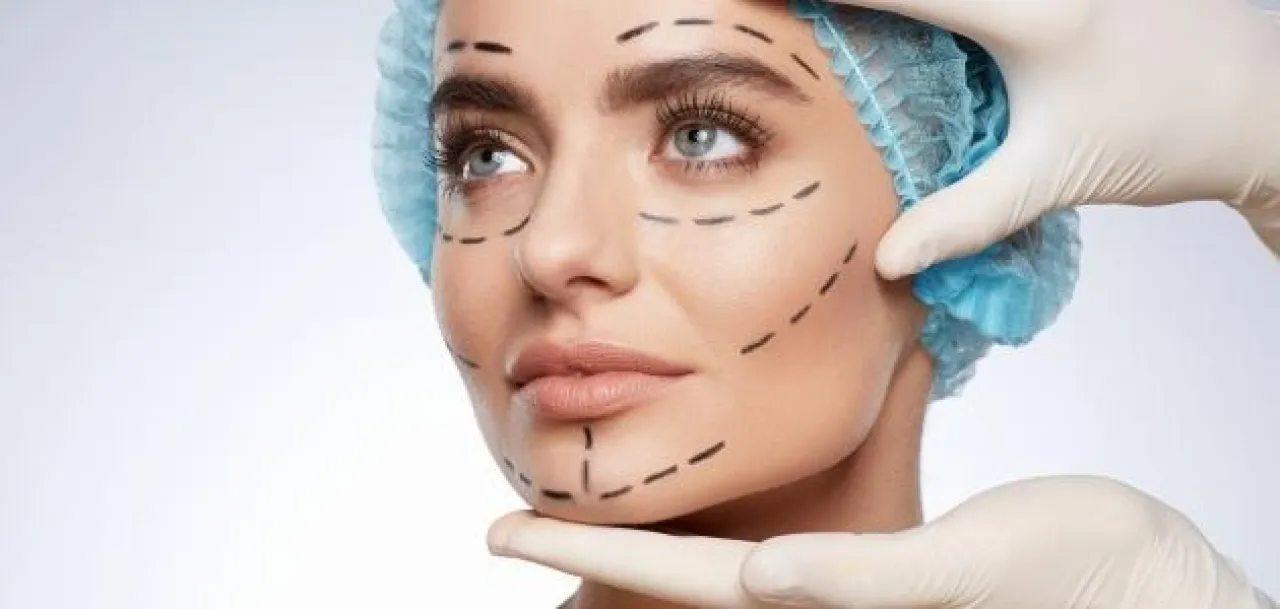
What is the ruling on cosmetic surgery?
Cosmetic surgery has 3 cases,
The first: therapeutic cosmetic surgeries as treatment for sensory or psychological damage resulting from an accident, disfigurement, or injury, and these are legally permissible.
The second type: surgeries to restore the organ to its natural condition to return the appearance of the organ to the normal situation when there is a clear difference causing psychological or social embarrassment, criteria: the need must be genuine, adherence to the legal rules, to be conducted by a male or female doctor when necessary and their ruling is that they are permissible legally.
The third type: purely cosmetic surgeries aimed at enhancement, such as changing the appearance simply due to dissatisfaction with the creation without harm or need, like changing facial features just for the desire for another look, and their ruling is prohibited legally because it alters the creation of God.
The ruling on cosmetic surgery in Islam
Dr. Zeinab El-Sayed, Secretary of Fatwa at the Egyptian Dar al-Ifta, answered a question about the legal ruling on cosmetic surgery, explaining that the ruling varies depending on the type and reason for the surgery, not every cosmetic surgery is universally prohibited or permissible, but is divided according to the purpose into three types.
Conditions for cosmetic surgery legally
The Secretary of Fatwa at Dar al-Ifta, during a television statement today, Sunday, clarified that the first type is therapeutic cosmetic surgeries, which are performed to treat physical or psychological harm resulting from an accident or deformity or injury, such as visible wounds or fractures or deviations causing harm, indicating that this type takes the ruling of treatment, and is considered among the necessities permitted legally.
The Secretary of Fatwa at Dar al-Ifta, explained that the second type – according to Dr. Zeinab – are cosmetic surgeries aimed at returning the organ to its natural state, like when a person has a clear difference in the shape of one of his organs, causing him severe psychological harm or social embarrassment, this type also falls within the scope of needs that justify cosmetic surgery, provided that the legal rules are adhered to, whether conducted by a male or female doctor in case of necessity.
The Secretary of Fatwa at Dar al-Ifta, added that the third type are purely enhancement cosmetic surgeries, which are not based on treating harm or a psychological or medical need, but are motivated by the desire to change merely due to dissatisfaction with the creation, like someone who wants to modify their features or appearance for no reason, and this type is prohibited legally because it involves changing the creation of God unnecessarily, and because it conflicts with the principle of acceptance of God's decree and fate.
The Secretary of Fatwa at Dar al-Ifta emphasized that Islam does not prevent legitimate beautification aimed at removing harm or restoring the natural appearance, but it rejects exaggeration and change for appearances only, calling for moderation and contentment with God’s blessing, for "true beauty is in acceptance and character, not in exaggerated alteration".
The ruling on undergoing a nose reduction surgery
The Egyptian Dar al-Ifta received a question about the ruling on undergoing a nose reduction surgery due to its large size causing social and psychological embarrassment. And whether this is considered altering the creation of God?.
The Egyptian Dar al-Ifta responded on its official website to the question saying: There is no legal prohibition on nose reduction surgeries; if the size of the nose is unnatural and the person suffers from it psychologically; as this falls under treatment and not under cosmetic.
The ruling on nose reduction for the sake of beautification
The Dar clarified that it is established legally that it is not permissible for a person to change something of their creation that God has created them upon in pursuit of beauty, but it is legally permissible to perform cosmetic surgeries in cases where the nose is abnormally large such that the purpose of the surgery is to return the nose to the normal size that God created for the general public; however, reducing it for the sake of beauty is changing the creation of God Almighty and is not permissible.