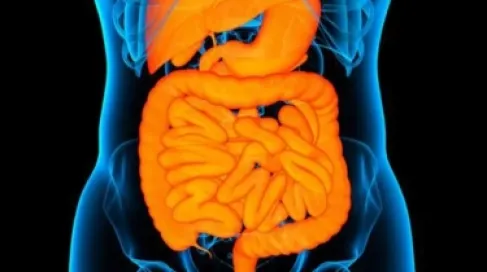
Khaberni - Irritable bowel syndrome is one of the most common gastrointestinal disorders, with symptoms notably increasing during the autumn and winter seasons, where many patients suffer from abdominal pain, bloating, and changes in bowel movement with increased psychological stress and weather fluctuations.
In this context, "El-Consulto" explains the reasons for the increase in symptoms of irritable bowel syndrome in autumn, and ways to control them, according to Dr. Bahaa Naji, a consultant in therapeutic nutrition.
Reasons for Increased Irritable Bowel Syndrome in Autumn
Naji explains that weather fluctuations and lower temperatures during autumn affect the autonomic nervous system that controls bowel movement, leading to disorders and increased symptoms in patients with irritable bowel syndrome.
He also points out that less exposure to sunlight during this season leads to lower levels of vitamin D, which plays an important role in regulating immunity and preventing intestinal infections.
Additionally, he adds that psychological stress and decreased physical activity during this time of the year are among the main factors that lead to the aggravation of irritable bowel disorders, where stress hormones such as cortisol and adrenaline are increased, negatively impacting bowel movement.
Symptoms of Irritable Bowel Syndrome in Autumn
According to Naji, common symptoms include:
1- Abdominal bloating and increased gas.
2- Pain or cramps in the abdomen.
3- Frequent constipation or diarrhea.
4- Feeling of incomplete emptying after defecation.
5- Appetite or sleep disorders due to constant pain.
How to Control Irritable Bowel Syndrome in Autumn?
Dr. Bahaa Naji recommends following several tips to reduce symptoms during the autumn season, including:
1- Adhering to a balanced diet, rich in vegetables and fruits high in fibers, while reducing fatty and fried foods.
You might be interested: Irritable Bowel Syndrome.. Everything you want to know
2- Avoiding carbonated drinks and caffeine, as they can cause further irritation of the intestines.
3- Regularly practicing light exercise, such as walking, to improve bowel movement and reduce stress.
4- Ensuring good sleep and staying away from psychological stress, through breathing exercises or meditation.
5- Drinking adequate amounts of water, especially in cold weather where the desire to drink decreases.