Khaberni - The government media office in Gaza said today, Sunday, that the Israeli occupation army committed 194 violations of the ceasefire agreement that took effect on October 10.
The General Manager of the office, Ismail Al-Thawabta, explained in an interview with Anadolu Agency that these violations included the army exceeding what is known as "the yellow line", preventing the entry of medicines, medical supplies, displacement tents, and mobile homes, in addition to the ongoing firing, shelling, and incursions.
He pointed out that the areas within "the yellow line" are under Israeli control according to the agreement, which is the first withdrawal line stipulated in the first phase of it.
He added, "Up to this moment, the occupation forces have committed 194 violations against the Palestinian people since the agreement took effect, which we had hoped would be beneficial," explaining that the office submits daily reports to the mediators on these violations.
* Exceeding the yellow line
Al-Thawabta confirmed that the Israeli army repeatedly exceeded the yellow line by encroaching with vehicles into residential areas, firing, aerial bombing, and demolition operations, resulting in civilian casualties and injuries.
He renewed his warning to Palestinians not to approach the yellow line for fear of being "treacherously" targeted, noting that the army had previously targeted Palestinians who were checking their homes near this area and committed "massacres" against them.
* Disabling the entry of aid
Regarding the humanitarian aspect of the agreement, Al-Thawabta mentioned that Israel did not allow full entry of aid trucks and did not adhere to opening the Rafah crossing (between Egypt and Gaza) for evacuating patients for treatment abroad, nor did it allow the entry of medicines and medical supplies.
This disruption occurs as Israel has controlled the Palestinian side of the Rafah crossing since May 2024, after it destroyed and burned its buildings and prevented Palestinians from traveling through it, exacerbating the suffering of patients and those in critical conditions and deepening the humanitarian crisis in the sector.
According to a statement by the government media office yesterday, Saturday, the aid that was allowed to enter after the agreement took effect remained limited; from October 10 to the end of the same month, only 3,203 trucks entered out of an expected 13,200, with a compliance rate of only 24%.
* Obstructing the retrieval of bodies
Al-Thawabta mentioned that the protocol stipulated the entry of "hundreds of heavy vehicles" to retrieve the bodies of Palestinians from beneath the rubble, which has not yet occurred, except for limited permission to enter equipment to search for the bodies of deceased Israeli prisoners in areas from which the army withdrew.
Last week, Israel allowed the entry of some equipment to search for the bodies of deceased prisoners according to Israeli media, while preventing the entry of heavy machinery to Gaza to retrieve thousands of missing Palestinian bodies beneath the rubble of houses destroyed by the war. The government media office in Gaza estimates the presence of about 9,500 Palestinians either missing under the rubble or their fate still unknown.
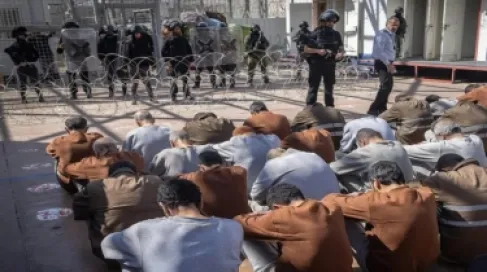
In addition, over 10,000 Palestinian prisoners, including children and women, are held in Israeli prisons, suffering torture, starvation, and medical neglect, many of whom have died due to these conditions, according to Palestinian and Israeli human rights and media reports.
* Displaced without tents
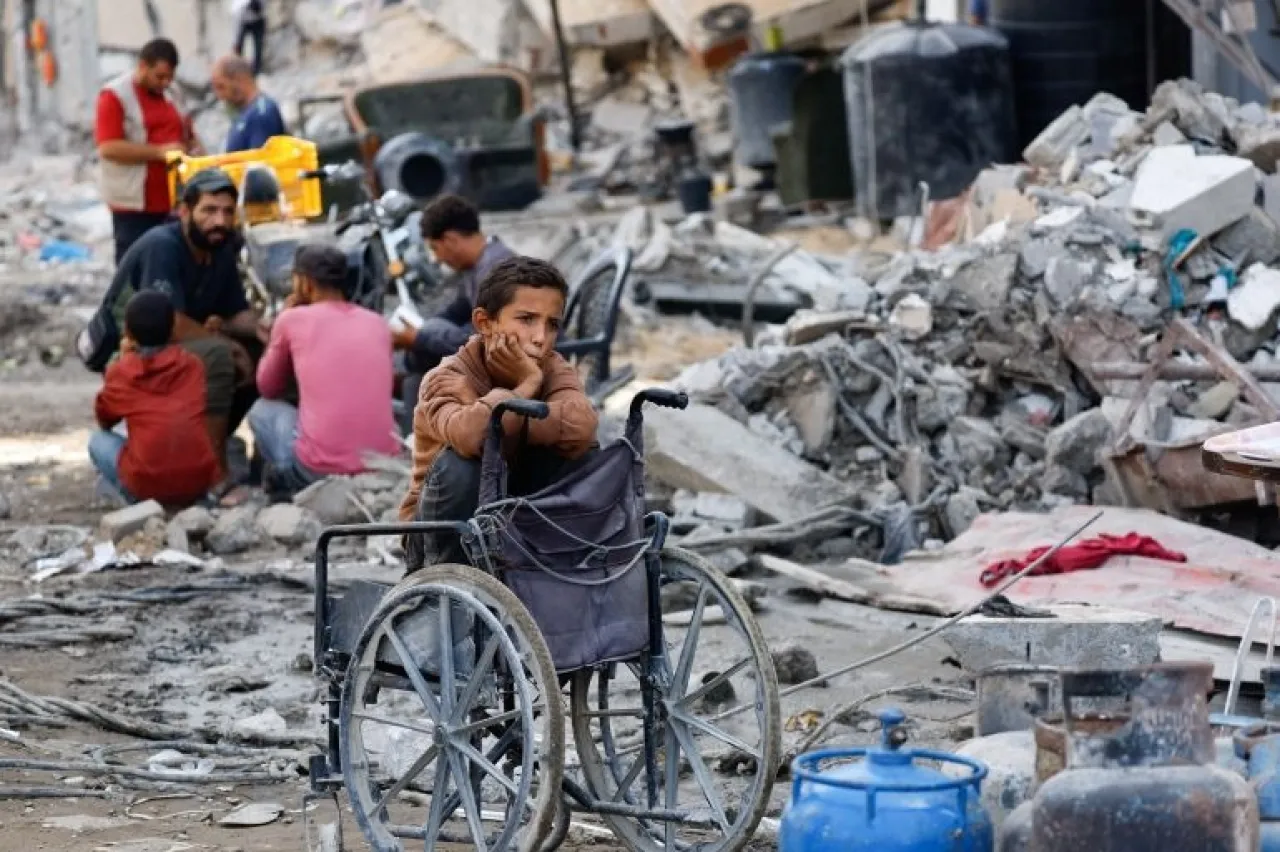
Al-Thawabta said that the protocol stipulated the entry of more than 300,000 tents and mobile homes to house the displaced, while 288,000 Palestinian families are living in the streets and public squares, but Tel Aviv did not comply with this.
According to data from the office, Israel destroyed about 90% of civilian infrastructure during the conflict, with initial losses estimated at $70 billion.
Al-Thawabta emphasized that Israel deliberately exacerbates the humanitarian situation in the Gaza Strip, preventing the entry of more than 6,000 trucks from the other side of the Rafah crossing, urging U.S. President Donald Trump and the mediators for urgent intervention to compel Israel to stop the violations and fully implement the agreement.
The ceasefire agreement, according to the Trump plan, ended a two-year-long genocidal Israeli war on Gaza, which began on October 8, 2023, resulting in over 68,000 deaths and more than 170,000 injuries.