Khaberni - The world today is facing a "gold rush", where millions race against the clock to obtain the yellow metal, each according to his capacity and capabilities, amidst unprecedented record highs in gold prices and big expectations for its continued rise in the coming years.
And the spot gold prices closed in October at $4002.3 per ounce, after it had reached its peak during the same month at about $4381.
The Arab citizen is no different in this race, as many are turning to buying gold, especially in the form of coins like Rashadian and English sovereigns or gold ounces for their ability to preserve value over time, and purchases often occur through jewelers scattered in Arab cities.
But here arise two important questions:
Is buying gold from jewelers really the best choice?
And are there more beneficial or less costly alternatives?
Buying from Jewelers.. Trust and Ease versus Cost
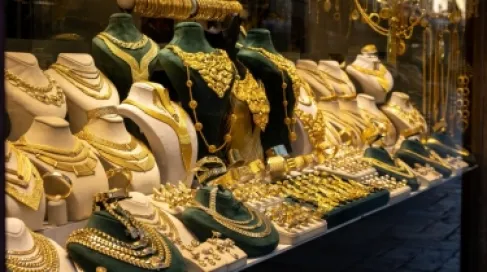
Many individual investors and families prefer buying gold from jewelers for the trust and authenticity guarantee it offers, as the buyer can see and examine the pieces directly, and confirm their purity and weight. This method allows for immediate purchase without intermediaries or waiting, and provides a personal experience that helps the buyer make a confident choice.
Some describe the experience as sensory and artistic, similar to buying a painting that must be seen to appreciate its value.
However, this method has tangible disadvantages, as the price in jewelry stores is generally higher than elsewhere due to the "manufacturing fee," which can account for between 5% and 25% of the gold value, depending on the design and the store, in addition to operational expenses like rent and salaries, which are passed on to the customer.
Sales taxes are also added in some countries, raising the final price for the consumer.
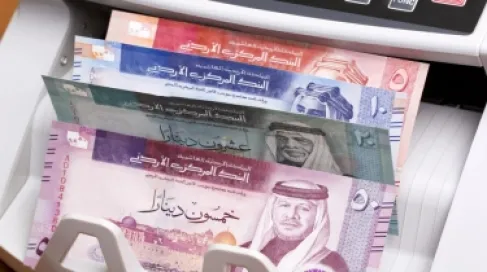
For example, the price of 21-karat gold per gram in Jordan - at the time of writing the report - is about 78.3 Jordanian dinars ($110.4) for buying (the store buys from you), while the selling price is about 83.8 Jordanian dinars ($118.2) (the store sells to you).
Thus, the difference between the two prices is about 8 dollars per gram, a gap that shows that investing through jewelry shops may not be the best option for those seeking quick profit, especially given the added fees and taxes.
Besides, purchasing physical gold from stores requires safe storage conditions at homes or private safes, away from the possibilities of theft or loss, which adds an extra burden and continuous effort on the buyer.
Purchase Alternatives.. More Flexible Investment Instruments
1- Gold Exchange-Traded Funds (ETFs)
Major investors are turning to other, less costly and more efficient alternatives, chief among them are Gold ETFs, which allow the investor to own a symbolic share of gold without needing to store it physically.
These funds are traded on exchanges just like stocks, which grants them high liquidity and ease of trading, and they are free from manufacturing and high operational costs borne by jewelers.
These funds offer several advantages:
Low costs compared to buying physical gold.
The ability to invest small amounts starting with just one share.
High liquidity allowing buy and sell at any time during trading hours.
Diversification of risks, as gold usually offsets the weak performance of stocks and bonds during economic volatility.
However, these funds also have some downsides:
The investor does not physically own the gold, but rather owns shares that represent a part of its value.
Annual management fees typically range between 0.25% and 0.40%, and over the long term, these ongoing expenses may exceed the total cost of buying physical gold, according to the platform "Smart Asset".
2- Gold Mining Companies
Another option is to invest in gold mining company stocks, a more indirect but riskier way.
These stocks feature what is called "double exposure" to gold prices, meaning they rise faster when the precious metal soars, as company revenues exceed production costs during periods of increase, giving them a financial leverage that boosts their stock value.
However, this increase is countered by the risk of sharp declines during downturns, as the stocks might lose between 30% and 50% of their value due to price fluctuations or rising operational costs.
Gold mining companies also face a variety of political and regulatory risks, such as sudden tax impositions or strict environmental laws, especially in developing countries. Therefore, it is advised to assess the legal and political environment of each country before investing.
Between the Tangible and Digital
The decision to own physical gold or to invest through financial instruments is a personal one that depends on the investor's goals and risk tolerance.
Those who seek tangible ownership and full control of their assets might prefer actual gold despite its higher cost, while those aiming for ease of trading and low expenses might choose gold ETFs or mining stocks.
In the end, gold - whether in a jewelry shop or the financial market - remains a symbol of safety and a reflection of the state of anxiety and confidence in the volatile global economy, and one of the key assets that people and governments turn to in times of financial turmoil.