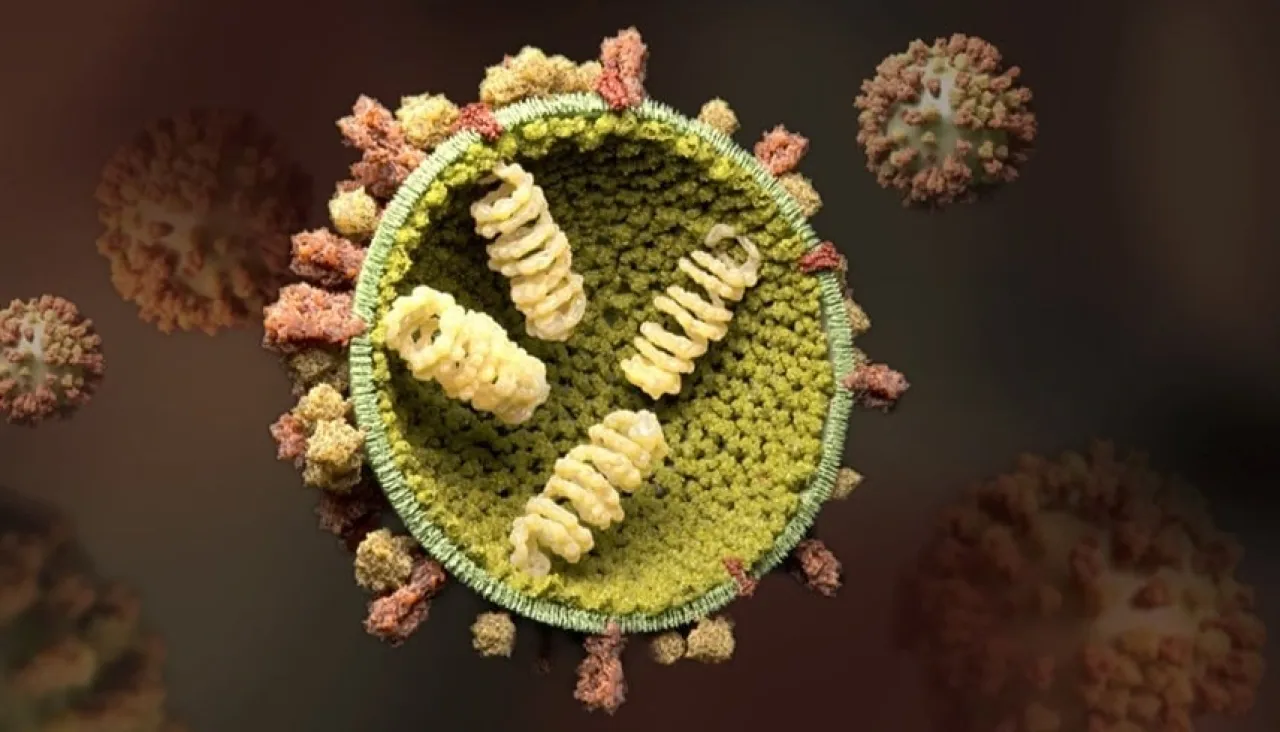
Khaberni - A new study warns that contracting a COVID or flu infection, or any long-term viral infection, could increase the risk of a heart attack or stroke.
Influenza and COVID pose heightened risks to the heart during the weeks following infection
Scientists from the University of California found, after reviewing 155 studies, that those infected with COVID or the flu were five times more likely to suffer from these cardiovascular diseases in the weeks following their infection, compared to those who remained healthy.
Risk of Influenza and COVID
It was found that those who were infected with the flu were four times more likely to suffer a heart attack and five times more likely to have a stroke within a month of the infection, compared to those who were not confirmed to have the flu.
At the same time, those infected with COVID were found to be three times more likely to have a heart attack or stroke within 14 weeks after infection.
According to the "Daily Mail", for these patients, the risk of cardiovascular disease remained high for a year after the infection.
Less common viruses
For those infected with HIV (AIDS), hepatitis C or shingles, the researchers found that the risk of heart attack was up to 60% higher, and the risk of stroke was 45% higher, compared to those who were not infected.
Dr. Kosuke Kawai, an epidemiologist who led the study, said, "It is well known that human papillomavirus (HPV), hepatitis B virus, and other viruses can cause cancer. However, the link between viral infections and other non-communicable diseases such as cardiovascular diseases is still not well understood."
Risks of acute viruses
According to the new study, "both acute and chronic viral infections are associated with risks of cardiovascular diseases in the short and long term, including strokes and heart attacks."
The reasons for these infections increasing the risks are not yet clear, but experts believe that activation of the immune system triggers widespread inflammation, which in turn increases the likelihood of blood clotting and raises complications on the heart.
High short-term risks
Dr. Kawai added, "The high risks for cardiovascular disease are lower for HIV, hepatitis C, and shingles compared to the high short-term risks following influenza and COVID.
Researchers say that the elderly are at a far greater risk after contracting infections compared to young people, who have a very low risk of heart complications.