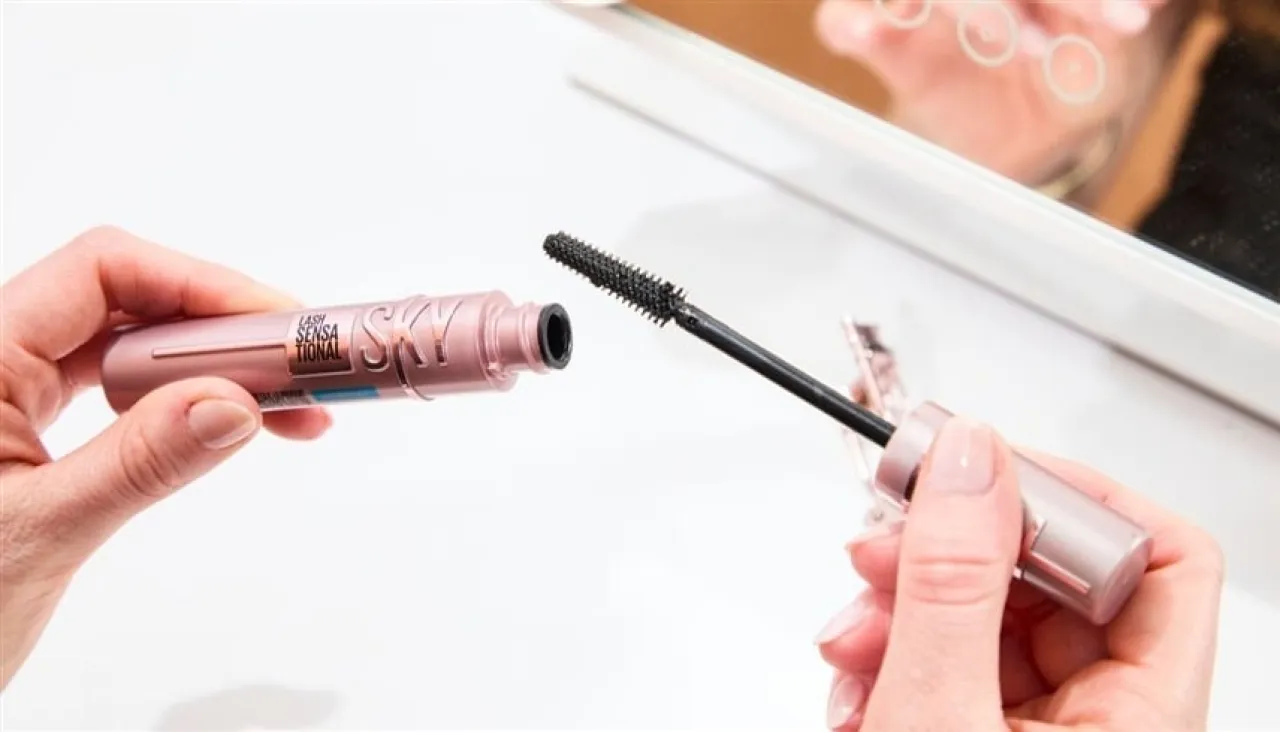
Khaberni - For many women, long-lasting makeup is a welcome comfort, such as waterproof mascara that doesn't smudge, or stable foundation. However, the reason why many of these products strongly adhere to the skin is what is called "permanent chemicals" known as PFAS, which raise multiple health concerns.
These permanent chemicals (perfluoroalkyl and polyfluoroalkyl substances) belong to a family of 10,000 man-made chemicals, designed to produce smooth, shiny, and waterproof surfaces.
However, according to the "Daily Mail," concerns are growing about the association of these chemicals with hormonal disturbances, weakened immune systems, and even some types of cancer.
French ban on all cosmetics
Now, France will become the first country to ban these permanent chemical substances, PFAS, from all cosmetics, textiles, and wax products, starting from January next year.
In the UK, the Executive for Health and Safety completed a review of these substances in 2023, but ministers have yet to decide whether to ban or restrict them, according to a parliamentary question in May.
These chemicals are found almost everywhere, from tap water to household dust, and in everyone's blood, as reported by the United Nations Environment Programme and the United States Centers for Disease Control and Prevention.
These chemicals have attributes that are almost indestructible, meaning they could take centuries to decompose and disappear - hence the name "permanent chemicals".
Hormones and Immunity
These chemical molecules adhere to proteins in the blood, where they can interfere with hormones and the immune system.
For example, among these materials commonly used in cosmetics is PTFE, which gives a silky touch and helps it adhere to eyelashes or skin for a perfect waterproof finish.
Dr. Miriam Diamond, an environmental chemist at the University of Toronto in Canada, who led a major study indicating the presence of permanent chemicals in more than half of tested cosmetic products, said: "PFAS are highly stable, and there is strong evidence of the toxicity of many of them".
Thin eyelid skin
She adds: "If these substances enter the eye, the tear duct is a very effective route to the body. The skin of the eyelid is thin and permeable. And when it comes to lipstick, a woman can easily swallow several pounds of lipstick throughout her life."
A recent study about these materials reported that they "penetrate the skin and enter the bloodstream, especially from products that are repeatedly applied to thin skin (like the skin of the elderly) or damaged skin due to conditions such as eczema or exposure to the sun or exfoliants".
And about that, Dr. Diamond warns that this aspect is important because some of the strongest human evidence links exposure to these materials to weakened immune systems.
She explains: "People with higher levels of these substances in their blood show weaker responses to vaccines like Covid, for example, and produce fewer immune antibodies," according to a study conducted in 2023.
Diabetes
Dr. Diamond adds: "Other studies show changes in fat and sugar metabolism that increase the risk of diabetes".
A study conducted in 2022 found that those with higher levels of PFAS substances in their blood were more susceptible to insulin resistance and type 2 diabetes.
Dr. Diamond advises saying: "It is wise to stop using PFAS substances in cosmetics because they are unnecessary".
Permanent chemicals are available in many forms, but most are divided into two groups: long-chain and short-chain.
Risks of newer types
The old long-chain types - like PFOA and PFOS - have been banned in many countries, including the UK, after being linked to cancer and other health problems.
These substances have been largely replaced in consumer goods, including cosmetics, with short-chain PFAS compounds, which are believed to decompose faster in the environment.
However, scientists now warn that these newer versions - including those found in some cosmetics - can travel further through the body because they are smaller molecules, and prove to be just as harmful, if not more, in the long term.