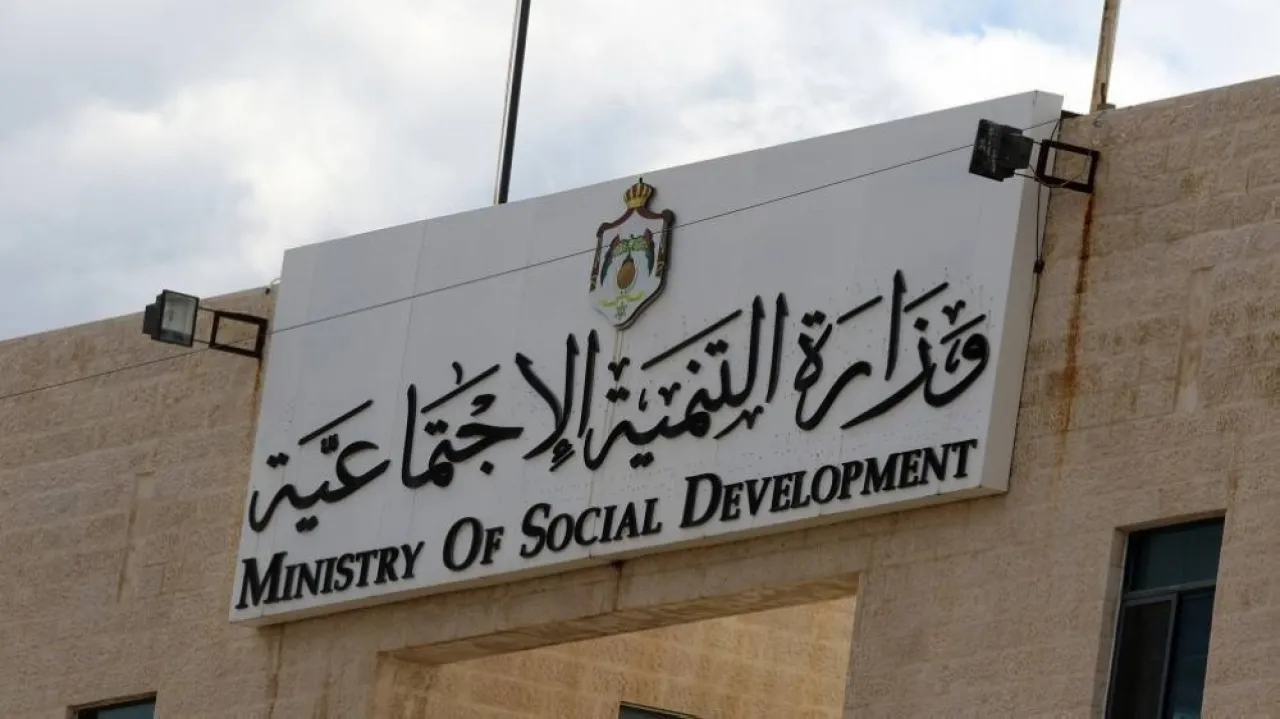
Khaberni - The Ministry of Social Development has unveiled 8 essential criteria that will form a framework for classifying associations, in a step aimed at enhancing governance and sound management, and measuring the extent of associations' compliance with the principles of transparency, accountability, and adherence to internal laws and regulations.
The ministry explained, regarding the key principles underlying the amended Associations Law, which a specialized committee has finished drafting its initial version, that these include: governance and sound management, strategic planning, financial management and transparency, monitoring and evaluation and impact measurement, institutional and organizational capacities, partnerships and community accountability, legal and regulatory compliance, and financial and programmatic sustainability, according to Al-Ghad.
The ministry also pointed out that the classification process will result in the division of associations into 4 categories, depending on performance levels: exemplary, advanced, intermediate, and beginner, with a development plan prepared for each category, including: technical support and capacity building, and using the classification results as a tool for prioritizing future support and funding.
The ministry stated that these criteria will form a framework for classifying associations, which includes: having an approved internal system, regularity of general body and board meetings, adoption of written policies such as conflict of interest, job conduct, and procurement, in addition to the disclosure of annual and financial reports and risk management.
It clarified that strategic planning will measure whether an association possesses a clear vision, mission, and goals, and a time-bound strategic plan, and how much it aligns with national development priorities, such as the Economic Modernization Vision and the National Social Protection Strategy, with measurable performance indicators. As for financial management and transparency, it focuses on the soundness of financial management and adherence to accounting and auditing standards, through having a documented financial and accounting system, audited financial reports, clarity of funding sources and disbursement mechanisms, adherence to fundraising and foreign funding instructions, and financial disclosure through the "Takamul" platform.
The ministry also noted that monitoring, evaluation, and impact assessment deal with an association’s ability to monitor its activities and evaluate its impact on beneficiaries and the community, with an internal monitoring and evaluation system, periodic impact measurement reports, and the use of quantitative and qualitative indicators, and applying community feedback mechanisms.
Regarding institutional and organizational capacities, it focuses on the efficiency of administrative and organizational structures and human and technical resources, with a clear organizational structure, precise job descriptions, capacity-building programs for employees and volunteers, and digital transformation in managing activities and services.
As for partnerships and community accountability, it relates to the association's openness to cooperating with state institutions, the private sector, and the local community, including establishing effective partnerships, implementing corporate social responsibility programs, involving beneficiaries in designing programs, and transparently publishing the results and impact of the association.
Legal and regulatory compliance measures the extent of the association's compliance with effective laws and instructions, through submitting periodic reports, renewing licenses, adhering to funding and donation instructions, and ensuring that there are no legal or financial violations; and financial and programmatic sustainability revolves around the association’s ability to ensure the continuity of its activities, through diversifying funding sources, setting clear financial sustainability plans, and implementing impactful and sustainable programs and projects.
The ministry explained that the classification will be digitally linked to the "Takamul" platform, to ensure transparency and ease of monitoring, leveraging digital transformation tools in evaluating institutional performance, and enhancing community trust in active associations, affirming that the classification process will be implemented in a participatory and transparent manner, through national consultations involving government, private, and civil society sectors, and based on best international practices, which serve the local context and enhance the role of associations as a key partner in social and economic development.
The specialized committee reviewing the Associations Law draft finished its preliminary draft weeks ago, as recently announced by the Minister of Development Wafaa Bani Mustafa, and the draft remains open for comments and suggestions from research entities and related parties, aiming to refine its formulation, ensuring the regulation of the associations sector without infringing on constitutionally guaranteed rights.
Recently, the ministry organized in the Strategic Forum, a consultative session on the classification mechanism of associations with the participation of civil society institutions and the private sector, which witnessed extensive discussions about the basic features of the new law in force since 2008.
There have been repeated confirmations from the ministry regarding aligning the new draft law with the National Strategy for Social Protection and the implementation plan for the Economic Modernization Vision, while civil society sectors considered the law review itself, a reformative step to enhance the governance of this sector.