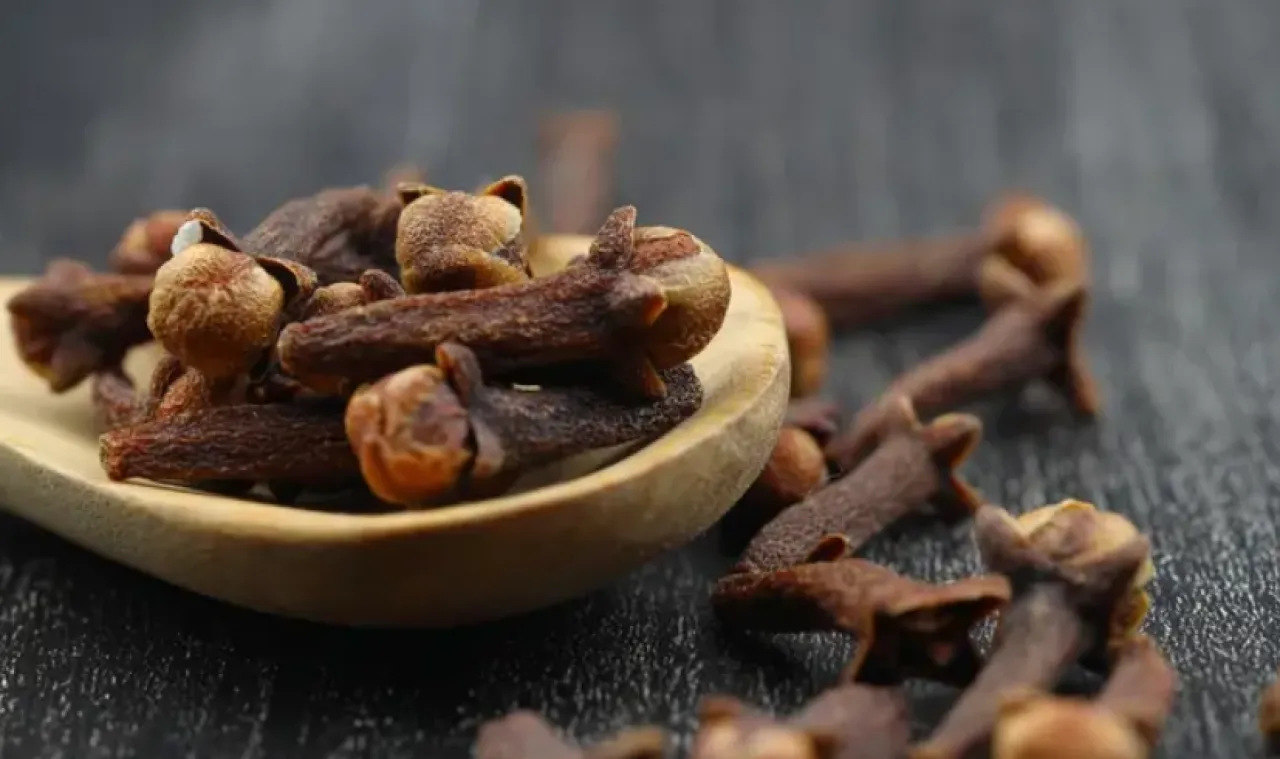
Khaberni - Cloves, the aromatic buds of the "Syzygium flower", are known for their rich flavor and numerous health benefits.
Besides their use in cooking, studies have indicated that they can significantly enhance heart health. They are rich in antioxidants and biologically active compounds such as "eugenol", and help lower harmful low-density lipid (LDL) cholesterol while supporting good HDL cholesterol levels.
Consuming one clove daily helps maintain healthy blood fat levels, reduce inflammation, and protect against oxidative stress, all contributing to improved heart and vascular health. Regular use also enhances blood circulation and maintains healthy blood pressure levels naturally, according to the Times of India.
Health benefits for the heart
A study published in the Journal of Clinical Research and Diagnostics found that participants suffering from hyperlipidemia who took clove supplements experienced a significant reduction in total cholesterol levels and harmful cholesterol. The anti-inflammatory properties and antioxidants of cloves were highlighted as major contributors to this improvement.
Another study, published in the Journal of Food Technology and Preservation, showed that a combination of clove and ginger extracts lowers total and harmful cholesterol in animal models. These results suggest that cloves can support heart health by maintaining healthy fat levels and reducing inflammation.
Additionally, cloves may have a potential role in preventing plaque formation. Eugenol, the main active compound in cloves, can prevent the oxidation of low-density lipid cholesterol. Oxidized harmful cholesterol is a key factor in the formation of arterial plaques, which can lead to cardiovascular diseases. Therefore, adding cloves to your diet offers protection against arteriosclerosis.
Additional health benefits of cloves
Beyond heart health, cloves offer many other advantages.
With anti-inflammatory properties, cloves help reduce systemic inflammations, associated with chronic diseases such as arthritis and metabolic disorders. Regular inclusion of cloves in the diet can alleviate joint stiffness and reduce inflammation over time.
Some studies have suggested that cloves can help regulate blood sugar levels, making them beneficial for diabetes patients. Adding cloves to meals or tea improves glucose control and enhances insulin sensitivity.
Traditionally used to relieve digestive disturbances, including bloating and indigestion, cloves can also stimulate digestive enzymes, enhancing digestion and nutrient absorption.
Eugenol in cloves has natural analgesic and antiseptic properties, making it useful in preventing toothaches and gum issues. Using clove oil or chewing on it can reduce oral bacteria and provide a naturally fresh breath.
Cloves are also rich in antioxidants, which help protect cells from oxidative stress and support general immune function. These antioxidants also slow cell aging and improve heart and liver health.
In your diet
Incorporating cloves into your daily routine is simple and versatile, as they can be consumed as a hot drink, used in cooking, or even as oil, as follows:
• Clove tea: Steep a whole clove in hot water for 5-10 minutes. This light tea can be consumed daily to support cardiovascular health.
• Usage in the kitchen: Ground cloves can be added to soups, baked goods, or smoothies. One clove per serving is sufficient to achieve the desired benefits.
• Clove oil: A few drops of clove oil can be used in cooking or as a natural flavoring agent. Care must be taken, as clove oil is highly concentrated.
• Topical use: When diluted with a carrier oil, clove oil can be applied to the skin to relieve muscle pain or mild skin irritation.
Precautions and considerations
Although cloves are generally safe in moderate amounts, excessive consumption—especially of clove oil—can cause side effects, including liver toxicity and digestive system irritation. Pregnant women, nursing mothers, and individuals with underlying health conditions should consult with their physician before significantly increasing their clove intake.