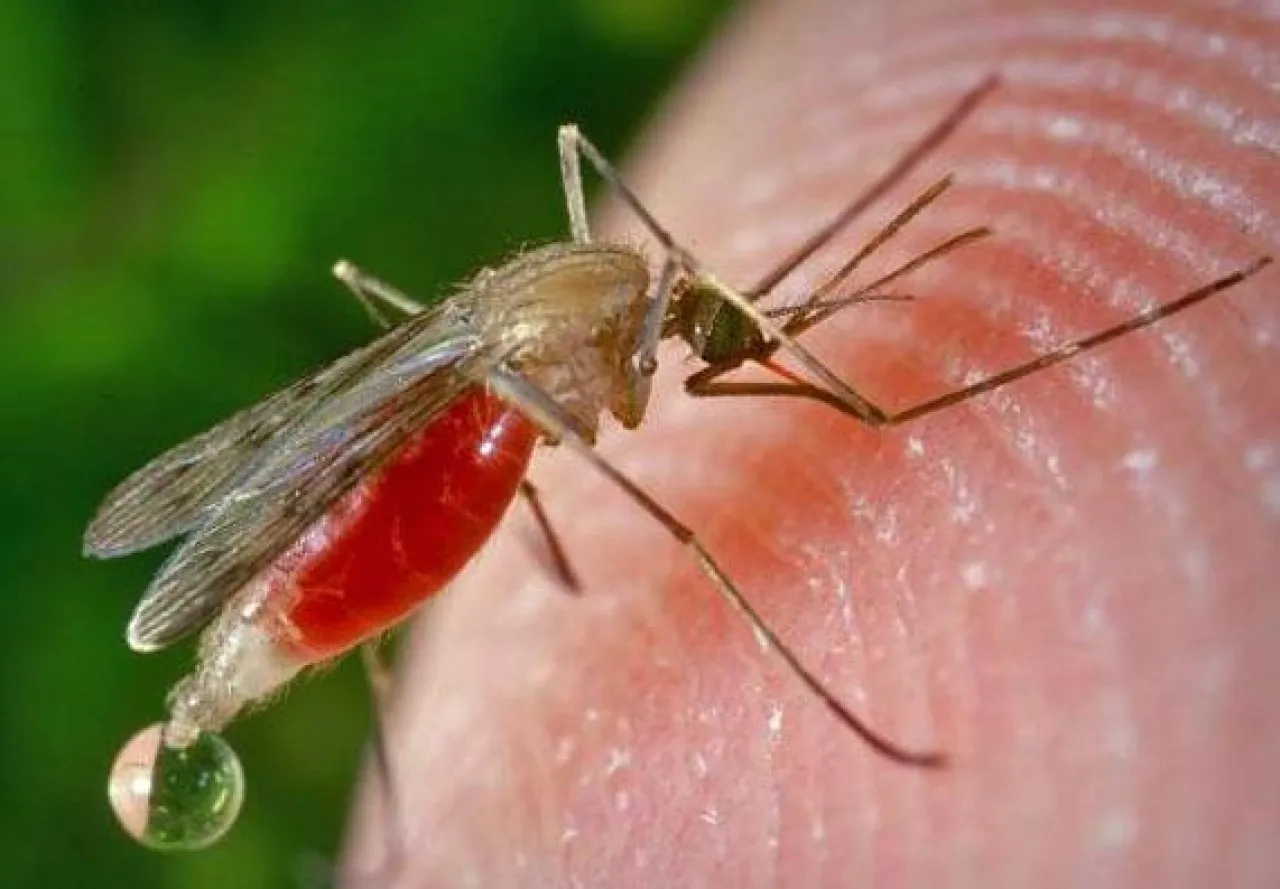
Khaberni - The head of the National Center for Epidemic Control and Infectious Diseases, Dr. Adel Al-Balbisi, confirmed that the disease known colloquially as "Aleppo boil" or "Damascus boil" is an ancient skin disease caused by the sandfly, a type of mosquito that transmits parasitic infections.
Al-Balbisi explained in radio statements that there are two types of the disease: cutaneous leishmaniasis, which is more common and causes ulcers and skin scars without leading to death, and visceral leishmaniasis, which is rarer but more dangerous.
He indicated that the sandfly typically inhabits moist, warm, dark areas and burrows, and does not fly long distances, noting that urban expansion has contributed to its spread.
He added that this insect predominantly spreads in the Jordan Valley and desert areas, and rarely causes death.
Regarding what is known as the black tiger mosquito or "daytime forest mosquito," Al-Balbisi clarified that it is not found in Jordan, and its original habitat is India and Southeast Asia, and it may only travel with travelers or goods, confirming that it differs from the sandfly in terms of appearance, as it is characterized by a black color with white stripes.
He mentioned that this fly could transmit diseases such as yellow fever and dengue fever, which are not present in Jordan.
Al-Balbisi emphasized the importance of insect control through municipalities, the Greater Amman Municipality, and the Ministry of Health, noting that the sandfly may be active in the summer and winter within its warm and moist environments, while the black tiger is a daytime insect.
Al-Balbisi advised citizens in case they are bitten by a sandfly and notice redness, itching, or scarring, to visit a doctor, explaining that the condition may heal spontaneously and form subsequent immunity, urging the use of protective clothing and preventive ointments in areas exposed to the spread of these insects.