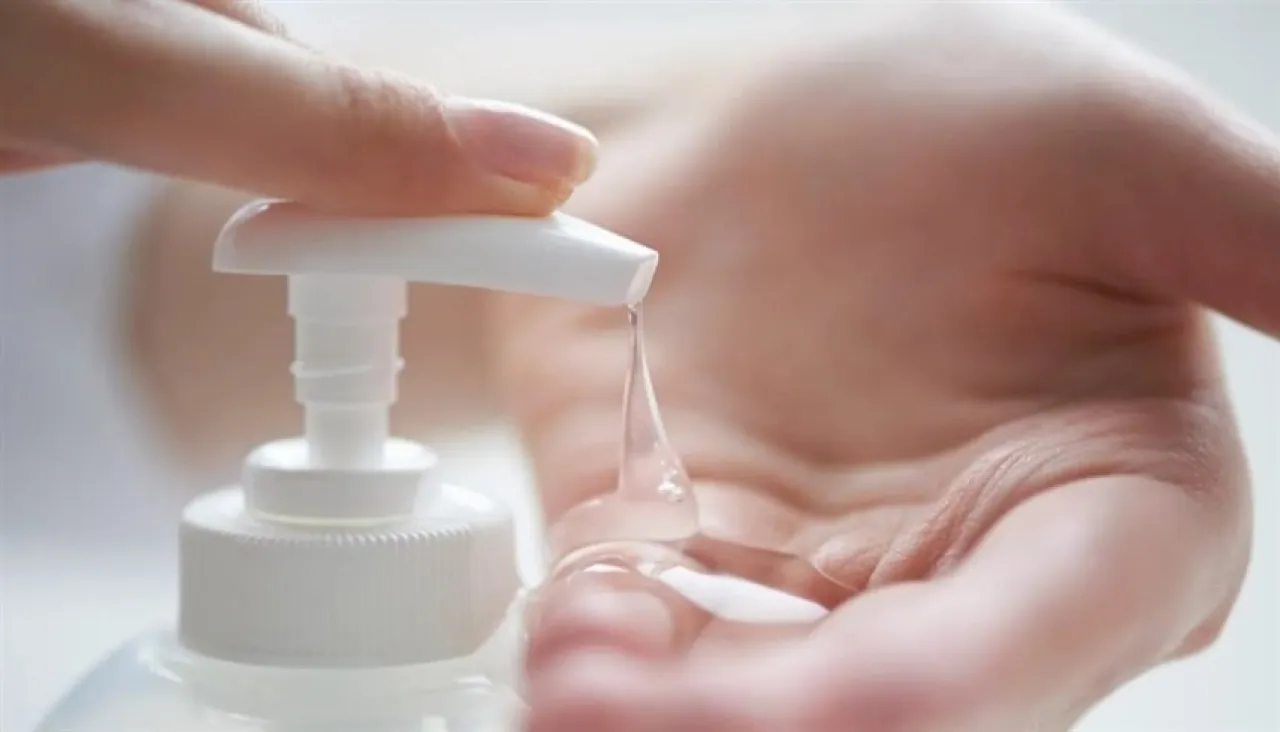
Khaberni - In a step that could shock the personal care and hygiene products industry worldwide, the European Union is exploring a ban on the use of "ethanol," a key component in hand sanitizers, following scientific reports indicating its association with an increased risk of cancer and pregnancy complications.
According to "The Sun," the working group of the European Chemicals Agency (ECHA) recommended in a report issued on October 10th that ethanol be classified as a "possible carcinogen," igniting widespread controversy in European health and industrial circles.
Crucial meeting in November
Based on previous concerns, the Biocidal Products Committee of the European agency is scheduled to hold a critical meeting between November 25 and 28; to review the available scientific evidence, and if it concludes that ethanol falls within the category of cancer-causing substances, it might recommend its phased exclusion from commercial use in hand sanitizers and other consumable products.
However, the final decision will be made by the European Commission, which has the authority to adopt or reject the recommendation.
These developments come at a time when the Centers for Disease Control and Prevention (CDC) emphasize the importance of washing hands or using sanitizers containing at least 60% alcohol, especially with the onset of winter and the spread of influenza and the common cold.
Toxic compound
Although the World Health Organization (WHO) still classifies ethanol as safe when used for hand sanitizing, recent studies suggest that when the body breaks down alcohol, it produces a toxic compound known as "acetaldehyde," which is accused of causing DNA damage that may lead to cancer development.
According to Cancer Research UK, chronic exposure to ethanol or its derivatives may increase the likelihood of developing cancers of the mouth, throat, esophagus, liver, intestines, breast, stomach, pancreas, and prostate.
The research also warns about repeated exposure to vapors from sanitizers containing ethanol, especially in enclosed spaces, which can cause headaches, nausea, and dizziness, in addition to the risk of accidental poisoning when ingested.
Widely used substance
Ethanol's presence is not limited to hand sanitizers only; it is widely used in cleaning and disinfection products such as mouthwash and body wash, personal care and cosmetic products like hair sprays and aftershave creams, as well as medical and industrial products like solvents and preservatives, and some liquid medications.
As Europe seeks safer alternatives, health experts emphasize that the decision should be based on a careful balance between protecting public health and ensuring effective infection prevention.