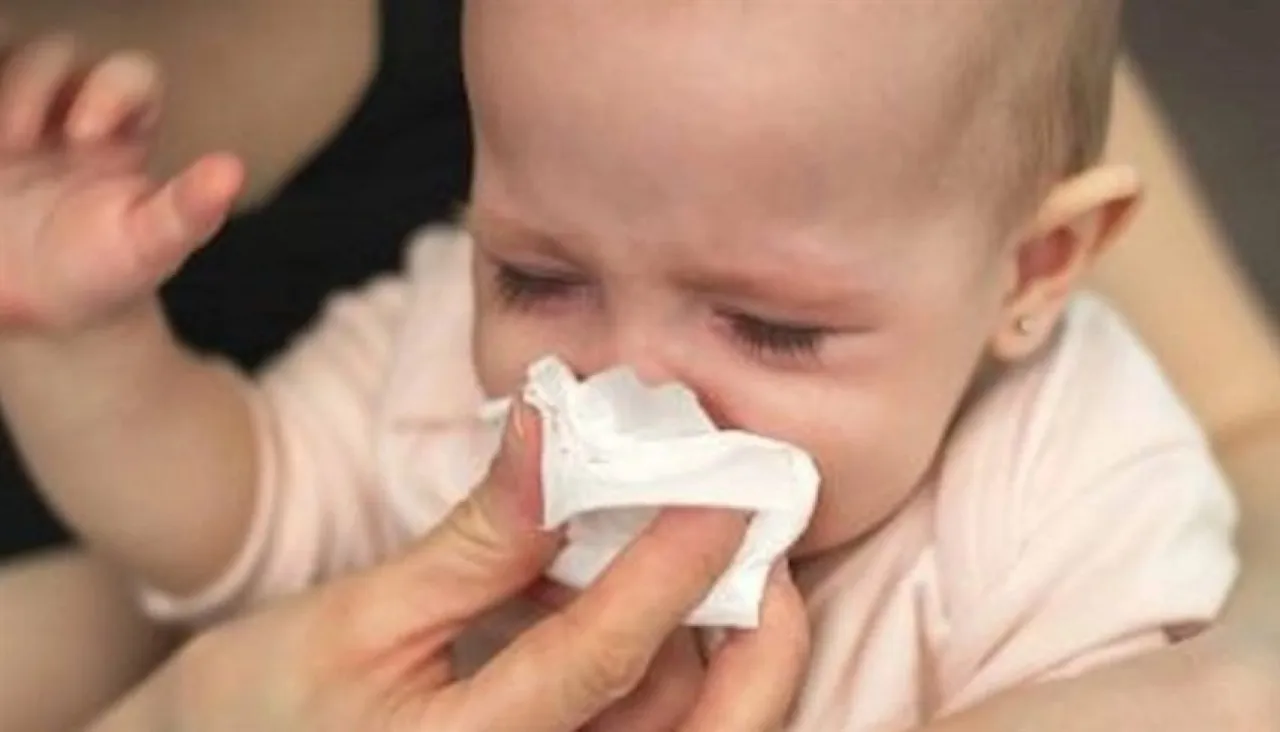
Khaberni - Medical reports indicate that this year's virus season, which began in the fall, will result in respiratory syncytial virus infections being among the most widespread, alongside other cold germs such as influenza and COVID.
In addition to respiratory symptoms, COVID infections in children are accompanied by digestive problems.
The risk of respiratory syncytial virus peaks in infants under 6 months old, according to "Medical Express".
In response to the question: How can I tell if my child has a cold, flu, respiratory syncytial virus, or COVID-19? Dr. Melissa Wallach, a pediatric specialist at the Hackensack Meridian Jersey Shore University Medical Center, provides clarifications for parents based on her observations of patients.
Colds
Wallach says: Colds are often called upper respiratory infections, and are relatively mild compared to other diseases.
Symptoms appear gradually and include a runny or blocked nose, sneezing, sore throat, and cough.
Children may also have a mild fever, but it does not always appear. Most often, the child will still have the energy to play and continue to eat and drink well.
Influenza
Influenza is usually severe and rapidly onset. A child who was healthy in the morning can become very tired by the afternoon.
Key signs include a sudden spike in temperature and body aches—children may complain of leg pain or appear very listless and unwilling to move, in addition to headaches, sore throat, and severe fatigue or lethargy.
A child with influenza will behave much more sickly than if they had a simple cold.
Gastrointestinal symptoms (vomiting and diarrhea) especially appear in younger children.
Respiratory Syncytial Virus
This virus can cause inflammation in the lungs and airways, and may present with a runny nose, coughing, or wheezing, and increased breathing difficulty.
In severe cases, we observe pneumonia, decreased oxygen levels, and pauses in breathing for 10 seconds or more.
Infants may appear irritable and consume less food or drink.
COVID-19
This virus causes much confusion, as it may appear as a mild cold, or be as severe as the flu, or have unique symptoms.
In children, a COVID-19 infection can be accompanied by any of the above respiratory symptoms, but we also note gastrointestinal problems such as vomiting and diarrhea more frequently compared to other viruses.
While loss of taste or smell is a well-known symptom in adults, it is less common and harder to detect in young children.
Serious Infection
In response to the question: Are some children more likely to suffer serious illness from these viruses? Wallach says:
Yes, certain groups of children are more susceptible. Infants under 6 months old are at great risk, as their immune systems are still developing, and they are too young to receive the flu or COVID-19 vaccines.
Children, regardless of age, who have underlying health conditions, such as asthma, diabetes, heart disease, weakened immune systems, a history of premature birth, and other conditions, are also more prone to complications.
Prevention is the best measure
• Vaccination: The most effective way to prevent severe diseases is to vaccinate your child against influenza (for ages 6 months and up), respiratory syncytial virus (if the mother was not infected during pregnancy for children under 8 months during respiratory syncytial virus season), and COVID-19 (for eligible ages).
• Practice good hygiene: Teach your children to cover their mouths when coughing or sneezing and to wash their hands often with soap and water, especially after coughing, sneezing, or using the bathroom.
• Keep your child at home: If your child is sick, please keep them at home and not go to school or daycare to prevent the spread of germs and provide them with rest and recovery.
Trust your parental instincts
You should always contact your pediatrician if:
• Your child under 3 months old has a fever.
• Your child is breathing rapidly, flaring their nostrils, or having difficulty breathing.
• They show signs of dehydration (not wetting their diapers or urinating for 6 to 8 hours, or crying).
• Children are unusually irritable, lethargic, or difficult to wake.
• Their fever persists for several days, or their health condition appears worse.