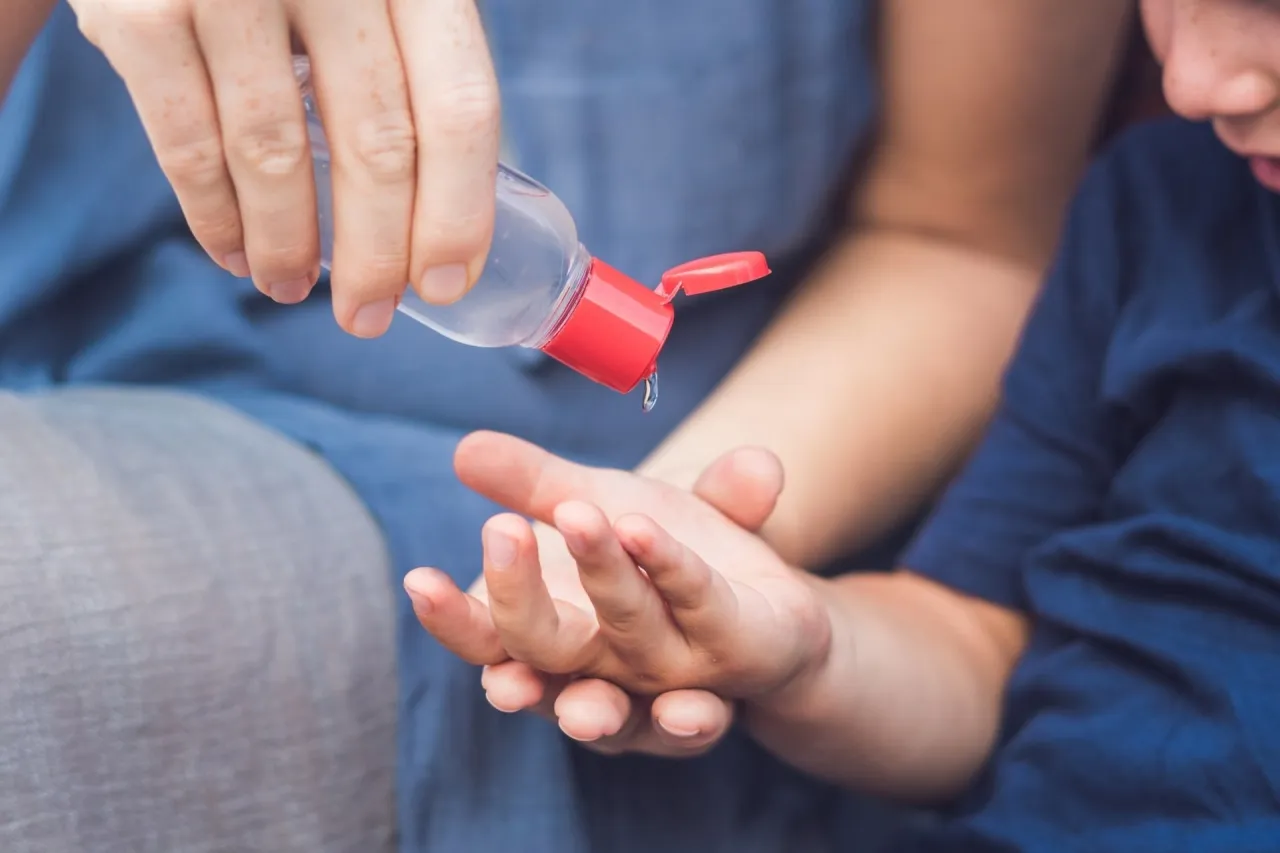
Khaberni - Health experts have expressed their concerns that some chemicals found in hand sanitizers may increase the risk of cancer, leading to debates about a potential ban in the European Union. Researchers warn that prolonged or repeated use of certain alcohol-based sanitizers containing ethanol may expose users to harmful substances, according to "Times Now".
Doctors recommend using hand sanitizers containing more than 60% alcohol to maintain hand cleanliness, as they help prevent the spread of bacteria and viruses, and serve as an effective alternative when soap and water are unavailable.
Nevertheless, the European Union classifies ethanol — found in a number of hand sanitizers — as a hazardous substance that may increase the risk of cancer.
This recommendation was issued by one of the working groups of the European Chemicals Agency (ECHA), and the agency's biocidal products committee is scheduled to meet next month.
If the expert committee of the regulatory body concludes that ethanol is carcinogenic, it will recommend its replacement, according to the Financial Times, and the European Commission will make the final decision on the matter.
🔹 How Does Ethanol Increase the Risk of Cancer?
Ethanol is said to be highly toxic and increases the likelihood of cancer through the production of the toxic chemical acetaldehyde, which can damage DNA.
Acetaldehyde is a primary cause of alcohol-related cancer, although other factors — such as hormonal changes, nutrient deficiencies, and oxidative stress — also contribute to this.
If the body cannot metabolize acetaldehyde quickly enough, it may gradually accumulate and lead to DNA damage, which can cause cancer, according to Cancer Research UK.
Types of cancer associated with ethanol include cancer of the mouth, throat, larynx, esophagus, intestines, liver, breast, stomach, pancreas, and prostate.
According to experts, in addition to deadly cancer, ethanol may also increase the likelihood of complications during pregnancy.
The European Chemicals Agency told the Financial Times: "Ethanol may be approved for uses intended for biocides if deemed safe in light of expected exposure levels, or if no alternatives are available."
🔹 Who Considers Ethanol Safe?
According to the World Health Organization, ethanol is classified as safe for use in hand hygiene. Experts believe that the only issues associated with hand sanitizers so far are irritation due to overuse, accidental poisoning if ingested, and potential side effects from the vapors, such as mild headaches and nausea.
Besides hand sanitizers, ethanol is found in many other products, including cleaning and disinfecting agents such as mouthwash and some body washes, personal care products like hair fixatives and aftershave creams, as well as a range of industrial and medical products such as solvents, preservatives, and some liquid medications.
🔹 Current Recommendations Regarding Hand Sanitizers:
1. Wash your hands with soap and water:
The Centers for Disease Control and Prevention (CDC) recommend washing hands with soap and water whenever possible, as it is the most effective method to prevent the spread of infection.
2. Check for products that have been withdrawn from the market:
If you are using hand sanitizer, make sure to review the regulatory body's "Do Not Use" list to check that the product does not contain harmful ingredients such as methanol or benzene.
3. Use products containing approved ingredients:
There are certain ingredients that are banned from being added to disinfectants, including triclosan and methanol, which is different from the ongoing review of ethanol.
4. Monitor children's usage:
Always keep hand sanitizer out of the reach of children, as accidental ingestion of it can lead to alcohol poisoning.