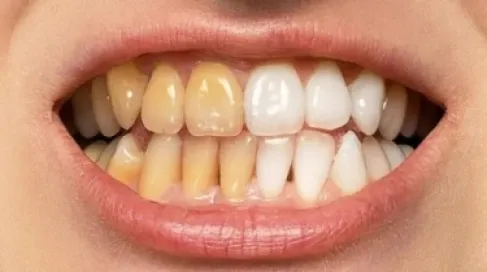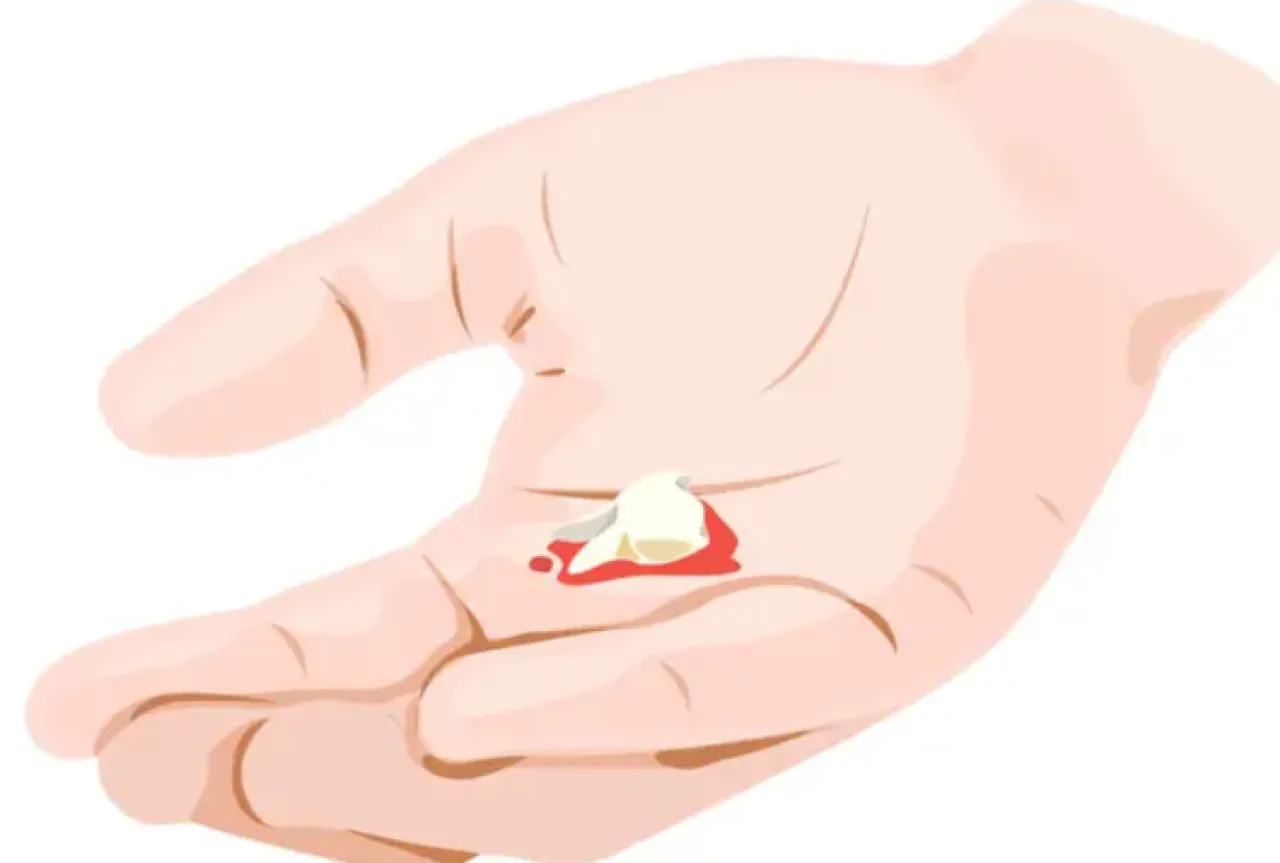
Khaberni - A new and comprehensive scientific study has linked the rapid loss of teeth in old age with the risk of death, emphasizing the importance of good oral health, and suggested that tooth loss may be a major indicator of other serious health problems.
Previous studies have linked tooth loss to death, finding that fewer teeth generally increase the likelihood of early death, but until now, no data was available on how tooth loss affects mortality.
According to a report published by the scientific website "Science Alert", which was reviewed by "Al Arabiya Net", in the new research, a team led by researchers from Sichuan University in China studied the tooth loss of 8073 elderly people, tracking their tooth loss rate compared to death over an average of 3.5 years.
The researchers wrote in their published paper: "Among the elderly, the risk of death from all causes significantly increased with rapid progression of tooth loss, regardless of the initial number of teeth."
This relationship remained even after adjusting for other factors that might affect health and disease, including gender, age, education level, drinking habits, and regular exercise.
The researchers do not suggest that rapid tooth loss can lead to death, but rather that the health issues leading to tooth loss may also shorten life. Therefore, tooth loss can be used as an indicator to assess overall health and the risk of death, and is not a cause of death as some might think.
Good oral health has long been associated with improved overall health, particularly cognitive decline and heart diseases.
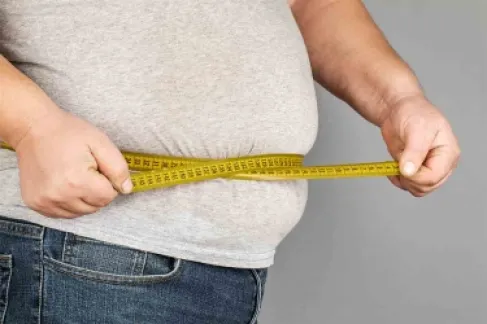
The reason for this relationship between the rates of tooth loss and death is still unclear, but the researchers point to inflammation, diet, obesity, and psychological distress as some of the factors that might affect rates of tooth loss and illness.
For example, when it comes to diet, people with fewer teeth tend to follow a less comprehensive diet due to difficulty in chewing; thereby, the body receives less of the nutrition it needs, exacerbating health problems.
Although these explanations suggest a relationship between tooth loss and other known risk factors for death, the precise mechanisms remain unclear and require further research, according to the researchers.
The team responsible for the study recommends promoting good oral health, as regular dentist visits, brushing teeth twice a day, and quitting smoking all help maintain dental health, as previous research has shown that these habits affect the longevity of the elderly.
Regular dental check-ups also mean counting the number of teeth, and solutions for missing teeth (like dentures) can be implemented. The study suggests that this could be a reliable method for monitoring the elderly and their risk of death and illness.
Meanwhile, research progresses in innovative ways to replace lost teeth; in recent months, we have seen significant progress in the laboratory cultivation of artificial teeth, and clinical trials for a drug that regenerates lost teeth, as researchers confirm.
The researchers wrote: "These findings underscore the critical importance of monitoring the progression of tooth loss," indicating that it makes sense for healthcare professionals and the general public to recognize the potential negative impacts associated with the rapid progression of tooth loss.