Khaberni - Stroke is a major cause of death and disability worldwide, with an estimated 12 million new cases annually, leading to 7 million deaths, and survivors often face long-term disabilities.
Main risk factors include high blood pressure, obesity, smoking, and air pollution, with many strokes preventable through lifestyle changes.
Stroke can affect anyone, at any age, at any time. However, there is an increasing number of strokes among people under the age of 55 worldwide.
Types of Stroke
According to a research paper from the UK's South Bank University, published by "The Conversation", there are two main types of stroke.
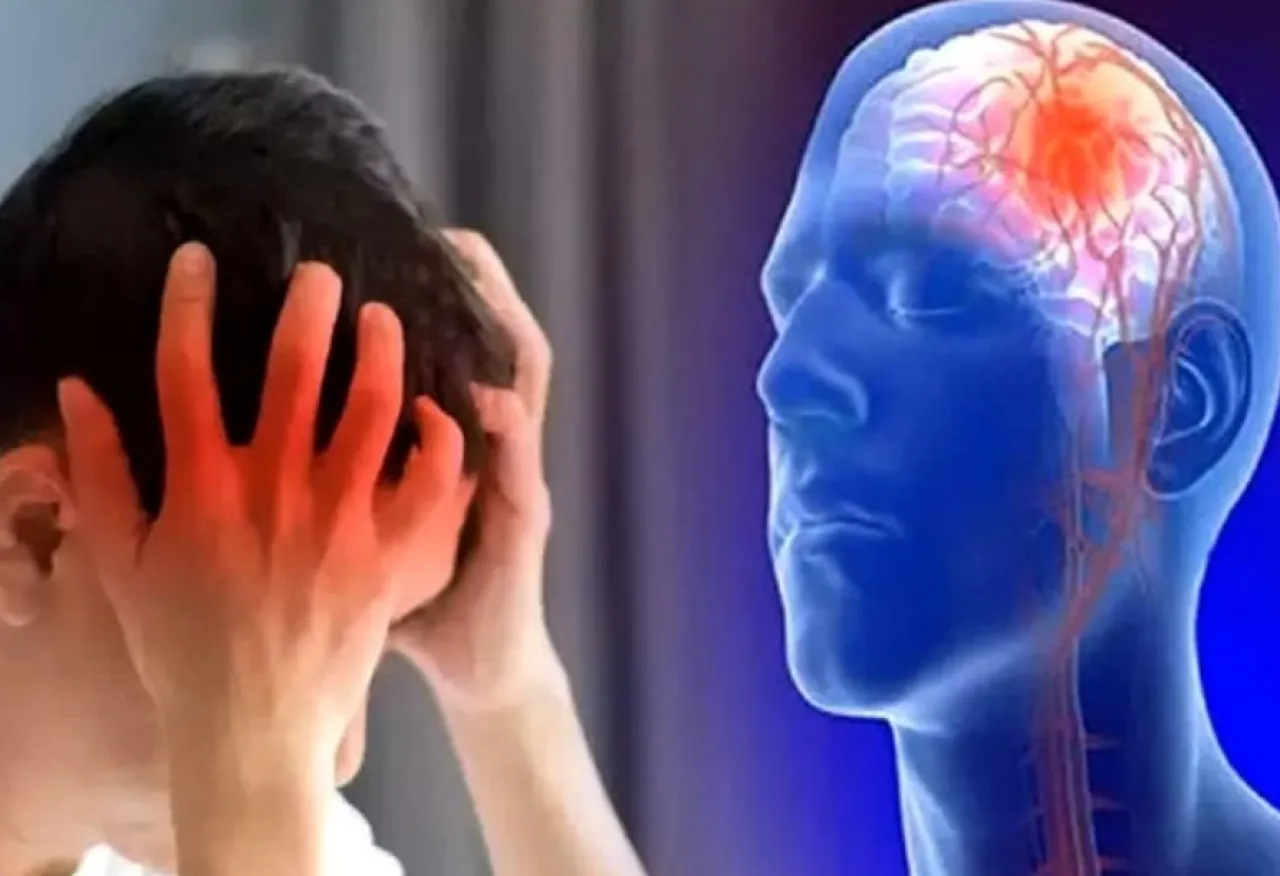
In the first type, ischemic stroke, blood flow to the brain is interrupted, usually due to a clot in one of the blood vessels, and without oxygen, brain cells begin to die, which may cause loss of movement, speech, memory, or even death.
The second type is hemorrhagic stroke, in which a blood vessel within the brain bursts. This is often due to high blood pressure, which weakens the walls of blood vessels making them more prone to tearing.
Stroke treatment is like a race against time, as doctors say, "Time is brain": the longer the brain is deprived of blood and oxygen, the more cells die.
Signs of Stroke
Balance problems. Sudden loss of balance or coordination, or dizziness, or feeling like the room is spinning.
Eyes. Sudden blurriness, loss of vision in one or both eyes, double vision, or difficulty focusing.
Face. Weakness or asymmetry in the face, often accompanied by drooping on one side of the mouth or eye.
Weakness or numbness in the arm or leg, usually affecting one side of the body.
Difficulty speaking, slurred speech, difficulty finding words, or not being able to speak clearly.
Other Warning Signs
Stroke symptoms often appear suddenly and can vary from person to person. Some people, especially women, might experience stroke symptoms different from those in men.
These symptoms might include sudden fatigue, confusion, nausea, fainting, or general weakness, instead of clear paralysis or slurred speech.
Speed of Emergency Response
Quickly recognizing symptoms and seeking medical help is crucial to surviving a stroke, and some types last only a few minutes or hours, with the potential to benefit from video communication links for required first aid.
Treatments that dissolve or remove a blood clot in ischemic stroke or lower extremely high blood pressure in hemorrhagic stroke should be administered quickly to minimize brain damage.
Remember, rapid recognition and emergency response with immediate care such as clot busters can make the difference between life and death.